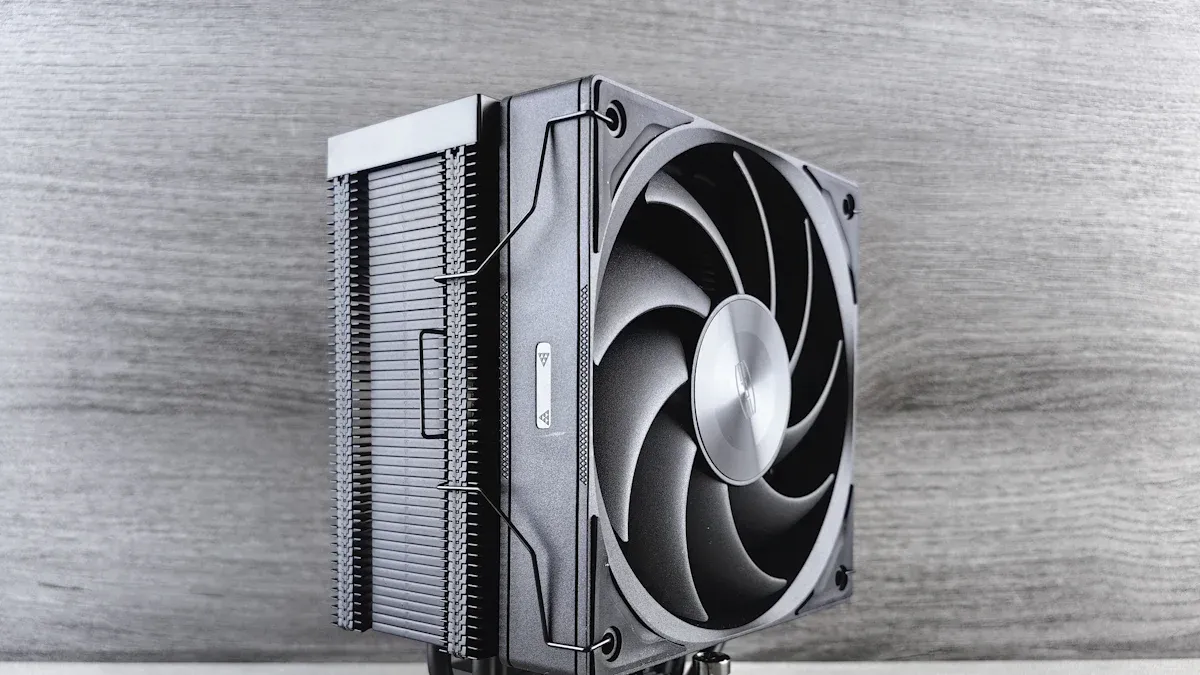
You face special problems when you build a 500W heat sink. Picking the right material is important. Aluminum alloys and copper move heat well. Choosing thermal interface materials can be hard. You need to think about how heat changes over time. This helps the heat sink work well. Getting rid of 500W of heat needs new cooling ideas. You must pay close attention to these things. This helps your heat sink work well, last long, and fit your equipment.
Key Takeaways
- Pick the best material for your heat sink. Aluminum is light and cheap. Copper moves heat better than aluminum.
- Figure out your thermal budget. Find the difference between the highest case temperature and the hottest air temperature.
- Add extra safety to your thermal math. This keeps your parts safe from sudden heat jumps.
- Try thermal analysis tools to test designs before building. This helps you save time and spot problems early.
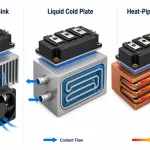
- Choose the right heat sink type for your cooling needs. You can pick extruded, skived, zipper fin, or liquid-cooled designs.
- Make sure the fins are set up well. The surface area should be big enough for good airflow and cooling.
- Use good thermal interface materials (TIMs). These help heat move from the heat sink to the device.
- Test your heat sink in real life. Check how it works and change things if needed.
500W Heat Sink Thermal Requirements
500W Heat Dissipation
Ambient and Target Temperatures
First, you need to know how much heat your system makes. For a 500w heat sink, the heat source power (Q) is 500 watts. Manufacturers give you the highest case temperature (Tcase Max) for your chip or device. You also have to find out the hottest ambient temperature where your equipment will work. Take Tcase Max and subtract the highest ambient temperature. This gives you your thermal budget. The thermal budget shows how much your heat sink can let the temperature go up.
Tip: Always use the hottest possible ambient temperature. This makes sure your design works everywhere.
Safety Margins
You should not design right at the limit. Add a safety margin to your numbers. This keeps your parts safe from sudden jumps in heat or power. For example, if your thermal budget is 50°C, plan for a lower rise, like 45°C. This way, your electronics last longer and work better.
Standard thermal requirements for a 500w heat sink include:
- Thermal Resistance: Keep the total system thermal resistance at or below 0.1°C/W if your allowed temperature rise is 50°C.
- Power Density: Make sure your heat sink can handle hot spots from high-power devices like IGBTs or MOSFETs.
- Ambient Temperature: Get ready for hotter air by picking stronger cooling solutions.
Thermal Analysis Tools
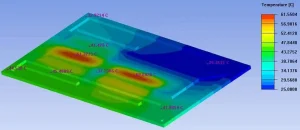
You can use thermal analysis tools to test your heat sink before you build it. These tools let you change fin shapes, surface size, and airflow. You can see how each change helps cooling. Simulation software helps you find problems early, like blocked airflow or uneven heat.
- Key parameters to analyze:
- Heat source power (Q)
- Maximum case temperature (Tcase Max)
- Maximum ambient temperature
- Thermal resistance (°C/W)
- Volumetric thermal resistance (Rv)
Note: Simulation tools help you save time and money. You do not need to build as many test models.
You should always check your design with real tests after simulation. Use sensors and data logging to make sure your heat sink works well in real life.
500W Heat Sink Design
Heat Sink Types
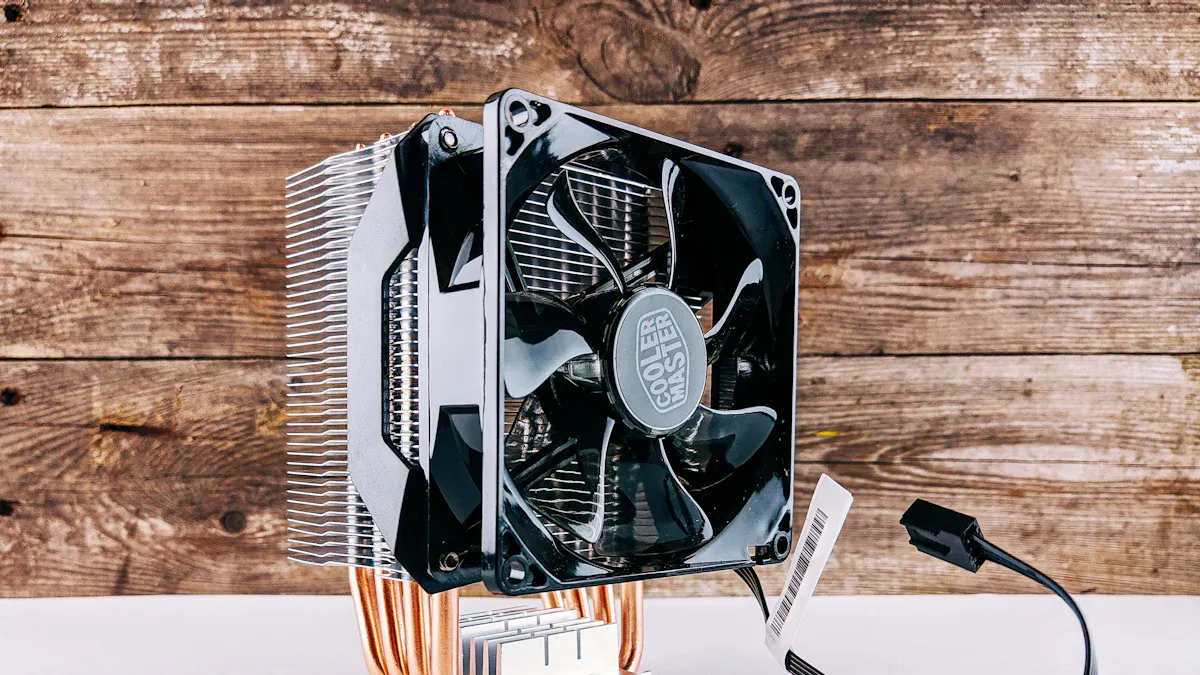
When you make a 500w heat sink, you need to pick the right type. Each type helps with cooling in its own way and fits different needs.
Extruded
Extruded heat sinks are made by pushing aluminum through a mold. This lets you get shapes with lots of surface area. They work well for devices that get very hot. Many factories use extruded heat sinks because they handle big heat and work well.
Skived
Skived heat sinks are made by slicing thin fins from a block. This gives you more fins and more area for heat to leave. Skived heat sinks are good for electronics packed close together. They fit in small spaces and still cool well.
Zipper Fin
Zipper fin heat sinks are built from thin metal sheets folded and joined. This makes them light and full of fins. Zipper fins help air move better and cool small devices. You can use them when you need strong cooling in a small space.
Liquid-Cooled
Liquid-cooled heat sinks use water or other coolants to take heat away. They cool the best out of all types. Use liquid-cooled heat sinks for parts that get very hot. They are good for lasers, power electronics, or CPUs that use a lot of power.
Tip: Always pick the heat sink type that fits your equipment. Good heat movement and strong cooling are most important.
Size and Geometry
You need to think about the size and shape of your 500w heat sink. These things decide how well it moves heat away.
Fin Arrangement
How you set up the fins changes how air moves through the heat sink. Pin fins give more area and make the air swirl. Swirling air helps break up hot spots and cools faster. You should pick the right number and height of fins for your needs. More fins cool better, but you need to balance air flow and resistance.
Surface Area
Having more surface area is important for cooling. A bigger area lets more heat go into the air. You should make your heat sink with as much open area as you can. For hot devices, more surface area keeps things cool and stops overheating.
Note: How you set up fins and how much area you have are very important for cooling. Always balance the number of fins and air flow for the best cooling.
Simulation and Validation
You should use computer tools to test your heat sink before you build it. These tools let you change fin shapes, sizes, and how air moves. You can see how each change helps with cooling. Using simulation helps you find the best design and saves time and money.
After you use simulation, you need to test your design in real life. Use sensors to check temperature and air flow. Keep track of the data to see how it works over time. You can change your design after testing to get the best cooling for your equipment.
Alert: Testing with simulation and real life is very important. It helps you avoid mistakes and makes sure your heat sink works right.
Material Selection for Custom Heat Sinks
Picking the right material changes how your heat sink works. It also affects its weight and cost. You need to balance how well it moves heat with price and how easy it is to make. For a 500w heat sink, you usually pick aluminum or copper. Some new materials and ways to buy them can help a lot too.
Aluminum vs. Copper
Conductivity and Weight
Aluminum and copper both move heat well. But they are different in some ways. Copper moves heat about 60% faster than aluminum. This means copper takes heat away from your device more quickly. Copper is much heavier than aluminum. If you use copper, your heat sink will weigh 3.3 times more than one made of aluminum. For every 100 grams of aluminum, copper weighs 330 grams.
You should think about weight if your design needs to be light. This is important for portable or small equipment.
Cost Factors
Cost is a big part of your choice. Aluminum costs about one-third as much as copper. This lower price lets you spend more on other parts. Copper moves heat better but costs much more. People usually pick copper only for high-performance needs.
- Aluminum is cheaper, so many people use it for budget projects.
- Copper works better for heat but costs a lot more. It is picked mostly for high-performance needs.
Advanced Materials
You can also use advanced materials for special needs. Some heat sinks use graphite, vapor chambers, or mixed metals. These materials can help move heat better or make the heat sink lighter. You might pick these if you need strong cooling in a small space or want to try new ideas.
Tip: Advanced materials work best when you use smart fin shapes and new ways to make them.
Sourcing and Quality
Getting good materials is important for a strong heat sink. You need to balance how well it moves heat with cost and how easy it is to make. Top suppliers like Renxin Precision, Boyd Corporation, AlphaNovaTech, Fischer Elektronik, and Wakefield Thermal offer custom options and good quality. Always check if your supplier can meet your needs and has a good name in the business.
- Pick materials that move heat well.
- Check if suppliers can make custom designs for you.
- Make sure suppliers are trusted and reliable.
You can make your 500w heat sink better by picking the right material and design. Using trusted suppliers and new ways to make heat sinks helps you get the best results for your project.
Manufacturing Custom 500W Heat Sinks
When you make a 500w heat sink, you need to pick how to build it. Each way to build gives special benefits for accuracy, price, and how you can change the design. What you pick changes how well your heat sink works and how much it costs.
Fabrication Methods
CNC Machining
CNC machining uses computers to guide tools that cut metal. This way gives very good accuracy and lets you make hard shapes. It is best for test models, planes, medical tools, or defense parts. CNC machining costs more than other ways because it takes more time and uses more stuff.
Extrusion
Extrusion pushes hot aluminum through a shaped mold. You get long pieces that look the same all the way through. This way cools well and saves money. You see extruded heat sinks in LED lights, power boxes, and home electronics. Extrusion is good for making many heat sinks with steady quality.
3D Printing
3D printing builds heat sinks one layer at a time. You can make special shapes that are hard to do with other ways. This way is good for quick test models and small groups. 3D printing lets you change designs, but it may not cool as well or cost less for big jobs.
Skiving
Skiving cuts thin fins from a solid block of metal. You get more area for heat to leave and better cooling. Skived heat sinks fit in small spaces and handle lots of power. This way is good for electronics that need strong cooling in tight spots.
Zipper Fin Assembly
Zipper fin assembly joins thin metal sheets to make many fins. You get light heat sinks with lots of area for air. This way helps air move and cools better. Zipper fin heat sinks are good for small devices where space and weight matter.
Tip: Pick the way to build that fits your needs and money. More accuracy costs more, but you get better cooling.
Precision and Surface Treatment
Making your heat sink with care helps it fit right and work well. Treating the surface, like anodization, makes it work better and last longer. Anodization puts a special layer on aluminum. This layer helps heat leave faster and keeps your heat sink safe from damage. The layer also stops rust and wear, so your heat sink lasts more years.
Note: Treating the surface helps your 500w heat sink work better and last longer, even in hard places.
Assembly and Integration
Mounting Solutions
You must secure your heat sink to the device for the best thermal performance. The right mounting solution prevents movement and keeps pressure even across the surface. You can choose from several options.
Fasteners and Clips
Fasteners, such as screws and bolts, give you a strong hold. They work well for large or heavy heat sinks. You can use spring-loaded screws to keep pressure steady, which helps with heat transfer. Clips offer a quick way to attach the heat sink. They save time during assembly and work well for smaller devices. Some clips use springs to keep the pressure even. Always check that your mounting method matches your equipment’s vibration and shock needs.
Tip: Use the mounting hardware that fits your device’s size and weight. This keeps your 500w heat sink secure and working well.
Thermal Interface Materials
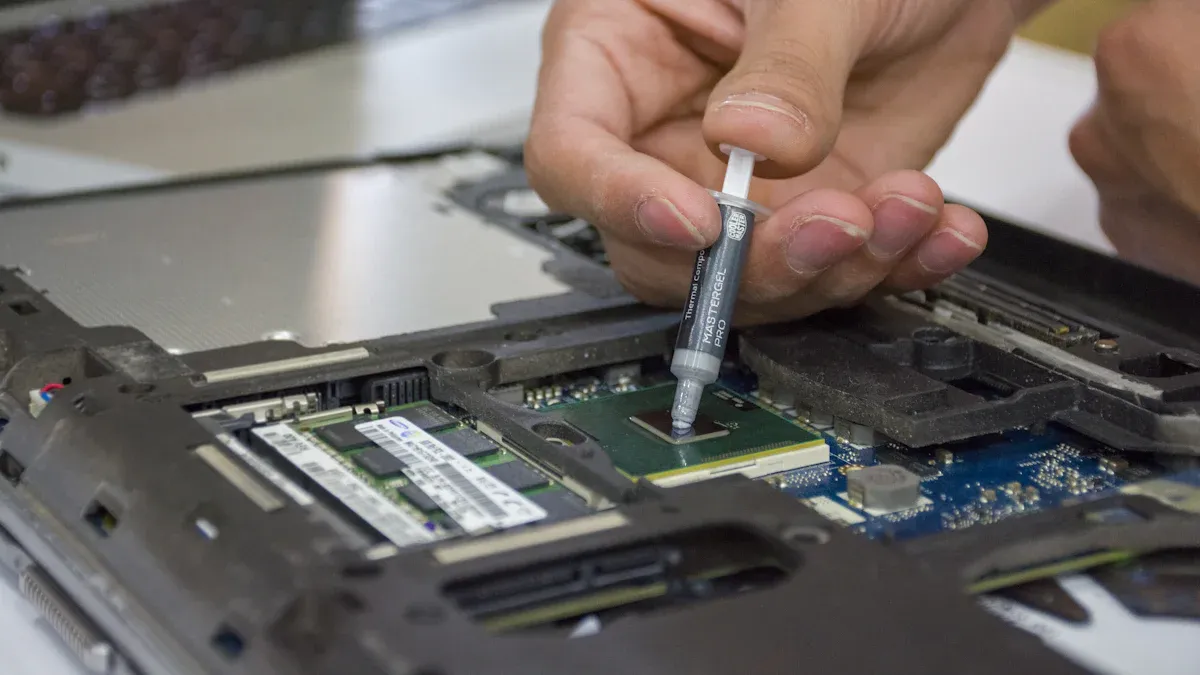
You need a good thermal interface material (TIM) between the heat sink and the device. TIMs fill tiny gaps and remove trapped air. This helps heat move from the chip to the heat sink.
Paste and Pads
Thermal paste spreads easily and fills small spaces. It works well for high-power devices. Silicone-based pastes have high thermal conductivity and can handle high heat. Pads are easy to use and make assembly faster. They also fill gaps and keep the surface even. When you pick a TIM, look for high thermal conductivity, cut-through resistance, and the ability to handle repairs. Engineers also check hardness and dielectric strength. For a 500w heat sink, you need a TIM that can handle high power and keep your system stable.
- TIMs fill microscopic gaps and remove air.
- Silicone-based TIMs work well for high-performance needs.
- Good TIMs have high thermal conductivity and resist damage.
- You should pick TIMs that allow for easy rework if needed.
Note: The right TIM keeps your device cool and helps your heat sink last longer.
Airflow and Fan Selection
Airflow moves heat away from the heat sink. You must design the airflow path for the best cooling. Fan selection plays a big role in how well your system works.
- Choose a fan that matches your system’s airflow and pressure needs.
- The best operating point happens where the fan’s curve meets the system’s resistance curve. This gives you the highest cooling efficiency.
- Vane-axial fans move air straight through, while blowers push air sideways. Pick the type that fits your layout.
- Always design for the worst-case heat load. You may need spot cooling for very hot areas.
- Keep airflow paths clear for both air inlets and outlets.
- Direct airflow vertically when possible to improve cooling.
- Remember that air filters add resistance. Plan for this in your design.
Alert: Good airflow and the right fan keep your 500w heat sink working at its best. Always check your design with real tests to make sure it meets your needs.
Testing and Optimization
Performance Measurement
You need to check how well your heat sink works. Put temperature sensors on the heat sink and device. Use sensors like thermocouples or RTDs for good readings. Data loggers help you track temperature changes over time. You can see how the heat sink reacts to different loads and airflow. Record data during steady and peak power times. This helps you find weak spots in your cooling setup.
Sensors and Data Logging
Sensors show temperature changes as they happen. Put them on the heat sink base, fins, and near the heat source. Data loggers save readings so you can look at them later. Software lets you graph temperature trends and compare test results. This helps you spot patterns and see if your 500w heat sink meets your goals.
Tip: Always check your sensors before testing. This makes sure your data is correct.
Troubleshooting
Testing may show problems you need to fix. You might see higher temperatures or uneven cooling. Common problems include:
- Heat loss to the board: This can cause mistakes in thermal resistance math, especially in unducted setups.
- Airflow bypass: Lots of fins may make air go around the heat sink, not through it, which lowers cooling.
- Optimistic ducted test results: Vendor data from ducted tests may not match real results in unducted setups.
You can fix these by changing your test setup. Use barriers to guide air through the fins. Include heat loss to the board in your math. Compare vendor data with your own unducted tests for real performance.
Alert: Always test your heat sink where you will use it. This gives you the best results.
Efficiency Improvements
You can make your heat sink work better with new technology and smart design. New liquid cooling and 3D printing let you make custom shapes for your system. These methods help cooling and use less material. You can also use microchannels and special surface shapes to cool better.
- Custom shapes give more design choices.
- Using less material helps the environment.
- Lattice structures make heat sinks strong and light.
- Microchannel cold plates help cooling.
You can use these ideas to make your 500w heat sink work better and last longer. Try different designs and test them with sensors and data loggers. This helps you find the best way for your equipment.
Customization and Ecotherm Solutions
If you need a 500w heat sink for something special, you want it to fit your needs. Ecotherm gives you many ways to change your heat sink. You can pick the size, shape, fan type, and how it connects. This helps you get the best cooling for your system, even if it is hard.
Custom 500W Heat Sink Options
You can choose from many heat sink types. Each type helps with different cooling needs. Ecotherm can help you pick the best one for your project.
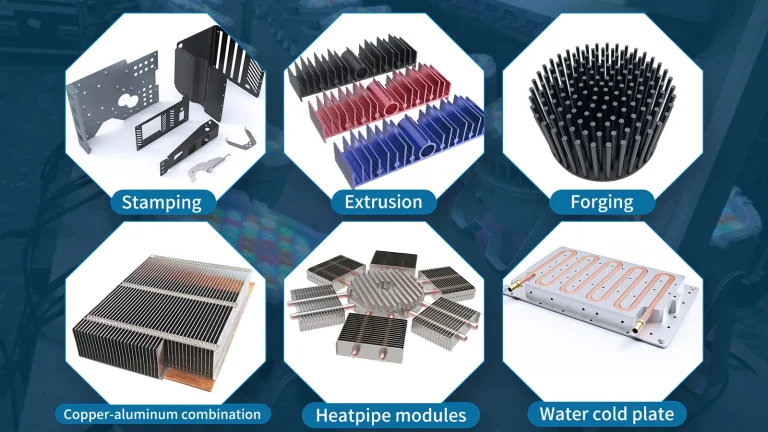
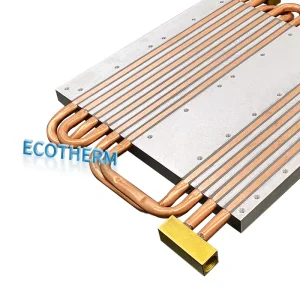
Heat Pipe Modules
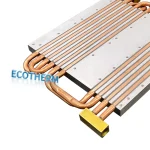
Heat pipe modules have sealed tubes with liquid inside. These tubes move heat fast from hot spots to cooler places. You can use them to spread heat or move it from tight areas. They work well in high-power electronics and small devices.
Skived Heat Sinks
Skived heat sinks have thin fins cut from a solid block. This gives more surface area for cooling. You can use them in tight spaces that need strong cooling. They fit well in crowded electronics.
Liquid Cold Plates
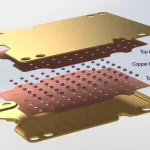
Liquid cold plates have channels filled with coolant. These plates carry heat away. You can use them for the highest power levels. They work best when air cooling is not enough. Liquid cold plates keep devices safe from overheating.
Zipper Fin Heat Sinks
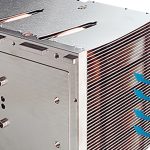
Zipper fin heat sinks use thin metal sheets joined to make many fins. You can add heat pipes or ducts for better cooling. Zipper fins work well in small spaces with lots of heat. They help air move better through the fins.
Extruded Heat Sinks
Extruded heat sinks are made by pushing hot metal through a shaped die. This makes long, even fins. You can use them for many electronics. They balance cost, performance, and design choices.
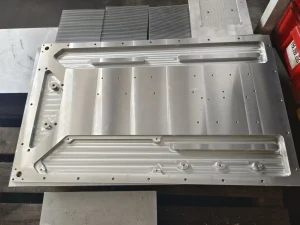
CNC Machined Parts
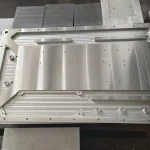
CNC machined heat sinks are cut with computer-guided tools. This lets you make complex shapes and tight fits. You can use CNC machining for test models or custom fits. It works well for small batches and special jobs.
Folded Fin Heatsinks
Folded fin heatsinks use thin metal sheets folded to make more surface area. You can use them when you need more cooling but have little space. Folded fins help air move and improve heat transfer.
Vapor Chamber Heat Sinks
Vapor chamber heat sinks have a sealed, flat chamber with liquid inside. The liquid turns to vapor when hot and spreads heat fast. You can use vapor chambers for devices with hot spots. They help keep temperatures even.
Forged Heat Sinks
Forged heat sinks are made by pressing metal into shape with high pressure. This makes strong, dense parts with good thermal performance. You can use forged heat sinks in tough places where strength matters.
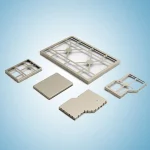
Stamped Parts
Stamped heat sinks are made by pressing thin metal sheets into shape. This works well for simple designs and big batches. You can use stamped parts for basic cooling at a low cost.
Note: You can mix different heat sink types for better results. For example, you can add heat pipes to a zipper fin heat sink.
Customization Options Table
Here are the main ways you can customize your heat sink:
Precision Customization Benefits
Working with Ecotherm gives you more than a regular product. You get a heat sink made for your needs. Precision customization gives you many benefits:
- Better Performance: Your heat sink matches your power, size, and airflow needs. This keeps your devices cooler and helps them last longer.
- Faster Prototyping: You can test ideas quickly with fast prototypes. This helps you find the best design before making many.
- Branding Options: You can add your logo, graphics, or special packaging. This helps your product stand out.
- Flexible Integration: You can pick mounting options, fan types, and thermal interface materials that fit your system. This makes installation easier and more reliable.
- Quality Assurance: You get products made from good materials and tested for performance. This lowers the risk of problems.
Tip: Customization helps you solve hard cooling problems that regular heat sinks cannot fix. You can meet strict size limits, handle high heat, or fit into odd spaces.
You can trust Ecotherm to give you a 500w heat sink that fits your needs. You get expert help, many choices, and confidence that your cooling solution will work.
You can keep your 500w heat sink cool by following simple steps. First, design your heat sink with care. Next, pick good materials. Then, use advanced ways to make it. The table below lists the main steps:
If you work with experts like Ecotherm, you get special help. They offer custom solutions and know a lot about cooling. Always think about what material you use. Pick the right thermal interface materials. Make sure your cooling matches your needs for the best results.
FAQ
What is the best material for a 500W heat sink?
Aluminum works well for most projects. You get good thermal performance and low weight. Copper cools better but costs more and weighs more.
How do you calculate the size of a heat sink?
You use the thermal budget and power rating. Simulation tools help you test different sizes. Always check your results with real measurements.
Can you use a fan with every heat sink?
You can add a fan to most heat sinks. Fans improve airflow and cooling. Some designs need passive cooling only. Always match the fan to your system.
What is a thermal interface material (TIM)?
A TIM fills gaps between the heat sink and device. You use paste or pads to improve heat transfer. Good TIMs help your system stay cool.
How do you test heat sink performance?
You place sensors on the heat sink and device. Data loggers record temperature changes. You compare results to your design goals.
Why choose custom heat sinks from Ecotherm?
You get designs that fit your needs. Ecotherm offers many types and fast prototyping. You can add logos, graphics, and special packaging.
What is the difference between skived and extruded heat sinks?
Skived heat sinks have thin fins cut from a block. You get more surface area. Extruded heat sinks use shaped molds. You get steady quality and lower cost.