Heat management is important for LED lights. Too much heat makes LEDs work worse. It also makes them not last as long. Sometimes, too much heat can even break them. You want your lights to last and stay safe. Most LED drivers have electrolytic capacitors. These parts wear out faster when it is hot. If the temperature goes up by 10°C, the part lasts only half as long. Using things like a heat sink led light helps control heat. This lets you use your LEDs for a longer time.
Key Takeaways
- Heat management is very important for LED lights. It helps them last longer and work well. Using heat sinks keeps LEDs cool. This stops them from losing brightness and changing color. Pick LED lights with low thermal resistance and low junction temperatures. This makes them work better. Clean heat sinks often to help LEDs stay bright. This also helps them last longer. Buying good LED lights with strong heat management saves money over time.
Why LEDs Need Heat Management
How LEDs Generate Heat
You might think LEDs stay cool because they use less energy than old bulbs. However, LEDs still make heat when they work. This happens because some energy turns into light, but some gets lost as heat. The heat comes from electrical resistance inside the LED and from energy that does not become visible light. High-powered LEDs can get even warmer because they use more electricity.
Note: Most of the heat in an LED comes from the semiconductor. When electricity flows through, some energy escapes as infrared radiation. This adds to the heat, especially in strong LED lights.
Here is a quick comparison of heat generation:
You see that LEDs make less heat than incandescent bulbs, but they still need help to stay cool. If you use a heat sink led light, it helps move heat away from the LED and keeps it working well.
Why Heat Is a Problem
Heat can cause many problems for your LED lights. If the temperature gets too high, the LED can lose brightness or change color. Sometimes, the LED stops working much sooner than you expect. You want your lights to last, so you need to control the heat.
- LED lamps and fixtures are sensitive to high temperatures.
- Too much heat can break the LED or make it dim.
- Low-quality LEDs may change color or lose brightness when they get hot.
“LEDs generate heat as a byproduct of their operation, and if this heat is not properly dissipated, it will cause the LED to fail prematurely. This is the number one reason LEDs do not last as long as they should. Heat can cause the LED to produce less light, and in some cases, it can cause the LED to emit light of a different color than intended. This color shifting is prominent as LEDs overheat. In addition, heat can cause the LED to degrade more quickly, reducing its life span. Proper thermal management is essential for prolonging the lifespan of LED landscape lighting.”
You need to keep your LEDs cool to protect your investment and make sure your lights work well for a long time.
Effects of Poor Heat Control
Reduced Performance
If LED lights get too hot, they do not work well. Hot LEDs use the same power but get dimmer. This wastes energy and gives less light than you want. The color of the light can also change. Sometimes, white light turns yellow or blue. Heat makes this color shifting happen. Cheap LEDs have more problems with heat. They can stop working faster and lose brightness quickly.
- Too much heat makes LEDs less bright.
- LEDs can change color when they get too hot.
- High heat can break LED parts.
- Junction temperature is very important for LEDs.
Tip: Always look at the temperature rating for your LED lights. Lower junction temperatures help LEDs last longer and work better.
Shorter Lifespan
Heat is the main reason LEDs do not last long. When the inside of the LED gets hotter, it does not last as long. Makers use “L70 Lifetime” to show how long LEDs stay bright. If LEDs run hot, this time gets much shorter. For example, at 60°C, LEDs can fail much sooner. You will need to buy new bulbs more often and spend more money.
Light Quality Issues
Bad heat control changes the way your lights look. Hot LEDs do not use energy well. You might see uneven light and different shades of white. This is a problem in places like offices or stores. If many LEDs are on one board, heat problems get worse. The inside temperature goes up, and the light gets weaker. Some lights may look different, even if they are the same kind.
Note: Good color consistency means all LEDs look the same. Bad heat control makes colors mix and lighting uneven.
Heat Sink LED Light Solutions
How Heat Sinks Work
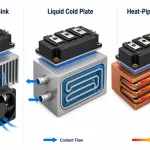
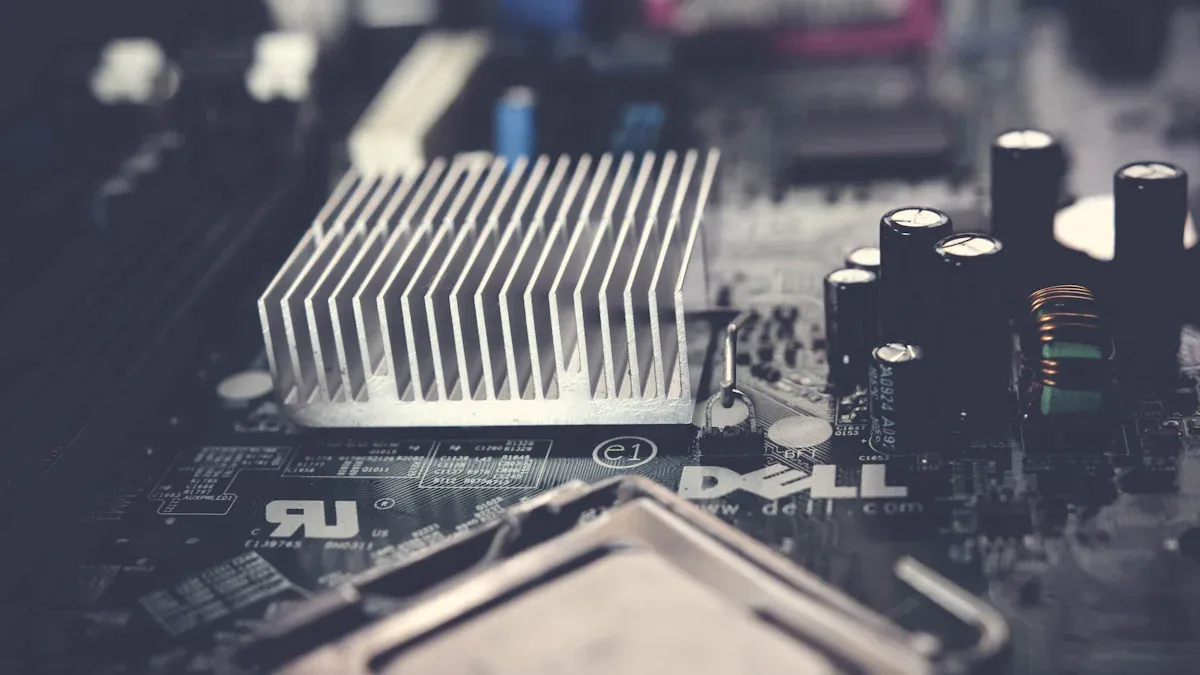
You need a heat sink led light to keep your LEDs cool and working well. Heat sinks play a key role in LED lighting systems. They move heat away from the LED parts and send it into the air. This keeps the LED at a safe temperature. When you use a heat sink led light, you help your LEDs last longer and shine brighter.
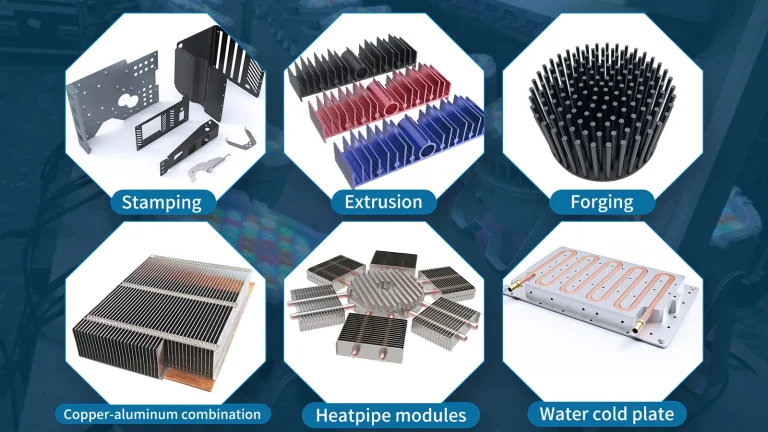
A heat sink works by drawing heat from the LED chip and spreading it over a larger area. This makes it easier for the heat to escape into the air. The bigger the surface area, the better the heat sink can cool the LED. Many heat sinks use fins or special shapes to increase their surface area and improve airflow.
Tip: A well-designed heat sink led light can help your LEDs last over 50,000 hours by keeping them cool.
Here is a table that shows how heat sinks work:
Aluminum Heat Sinks for LEDs
Most heat sink led light products use aluminum. Aluminum is a great choice because it moves heat well and does not weigh much. It is also easy to shape into different designs, which helps make better heat sinks for many types of LED lights.
Aluminum has a thermal conductivity of about 237 W/mK. This means it can move heat quickly from the LED to the air. Copper moves heat even faster, but it is heavier and costs more. Aluminum gives you a good balance of performance, weight, and price.
You can also treat aluminum to make it resist rust and last longer, even outdoors. Many heat sink led light designs use aluminum fins to increase surface area and help heat escape faster. You get a strong, light, and long-lasting solution for your LED lights.
“Compared to stainless steel and other metals, aluminum is more cost-effective, providing optimal performance at a lower price point.”
Design Considerations
When you pick a heat sink led light, you need to think about size, material, and design. The size of the heat sink matters because a bigger surface area cools better. Finned designs help by letting more air move around the heat sink, which takes heat away faster.
Here are some important design factors:
- Size: Make sure the heat sink is big enough for your LED. Larger heat sinks can handle more heat.
- Material: Aluminum is the most common because it is light, cheap, and moves heat well. Copper works better but costs more.
- Design: Look for heat sinks with lots of fins or special shapes. These designs increase surface area and improve cooling.
- Environment: If you use LEDs outside or in hot places, choose a heat sink that can handle tough conditions.
If you use a poorly designed heat sink, your LEDs can get too hot. This can make them dim faster and not last as long. Good design helps your heat sink led light stay cool and work well for years.
Note: Always check the heat sink’s size and shape before you buy. A well-designed heat sink led light keeps your LEDs bright and safe.
Choosing and Installing LEDs with Proper Heat Management
What to Look For
When you shop for LED lights, you want products that stay cool and last long. Look at the specifications and check how well the LED manages heat. You should focus on three main criteria:
You also want to see if the LED uses quality materials and a smart design. High operating temperatures can lower performance and shorten lifespan. Good heat management helps your LED meet its advertised brightness and efficiency.
- Thermal resistance and junction temperature are key specs for heat control.
- The design and materials of the LED affect how well it handles heat.
- A heat sink led light often uses aluminum for better cooling.
Installation Tips
You can make your LED lights work better by installing them the right way. Here are some tips to help you:
The way you place your LED fixtures matters. Arrange thermal vias under the LED to spread heat evenly. Using a grid of 8-16 vias per LED can lower junction temperatures by up to 20°C. This helps your lights stay bright and last longer.
Maintenance Advice
You need to keep your LED lights clean and cool. Here are some easy ways to maintain them:
- Make sure air can move around your bulbs to stop heat from building up.
- Touch the bulb’s surface sometimes to check for overheating.
- Replace old bulbs if they get too hot.
- Inspect your fixtures for dust often. Dust can block heat from escaping.
- Clean heat sinks by vacuuming or wiping them gently. Dust can act like a blanket and trap heat.
- Regular checks help you find problems early and keep your LEDs working well.
Tip: Clean your heat sink led light every few months to keep it running efficiently. Regular care helps your LEDs shine bright and last longer.
You protect your LED lights when you manage heat well. Good heat control stops color shifts and keeps your lights bright. You save money because LEDs last longer and use less energy.
- Heat management keeps LEDs from losing brightness or changing color.
- You get better performance and longer life from your lights.
- LEDs with proper heat sinks work more reliably.
Choose LEDs with strong heat sinks and smart designs. Clean your fixtures often. You get safer, brighter, and more cost-effective lighting.
FAQ
How do you know if your LED lights have good heat management?
You can check the product specs for thermal resistance and junction temperature. Look for aluminum heat sinks and fin designs. If your LEDs stay cool to the touch, they likely have good heat management.
Why does heat affect LED lifespan?
Heat speeds up wear inside the LED. High temperatures make parts break down faster. You get fewer hours of use and need to replace bulbs more often.
What is a heat sink led light?
A heat sink LED light uses a metal part, usually aluminum, to pull heat away from the LED chip. This keeps the light cool and helps it last longer.
Can you improve heat management after installation?
You can clean dust from fixtures and make sure air flows around your lights. You can also move drivers away from heat sources. These steps help your LEDs stay cool.
Do all LED lights need heat sinks?
Most high-power LEDs need heat sinks. Small, low-power LEDs may not need them. Always check the product details to see if a heat sink is included.