Custom Skived Heat Sink Design: Achieving Peak Thermal Performance
As we keep making electronics smaller and more powerful, keeping them cool is absolutely essential. If they get too hot, performance drops, things break down, or they can even fail completely. That’s where custom skived heat sinks come in—they’re a fantastic solution for pulling as much heat as possible away from important parts, making sure everything runs efficiently and lasts longer.
What are Skived Heat Sinks?
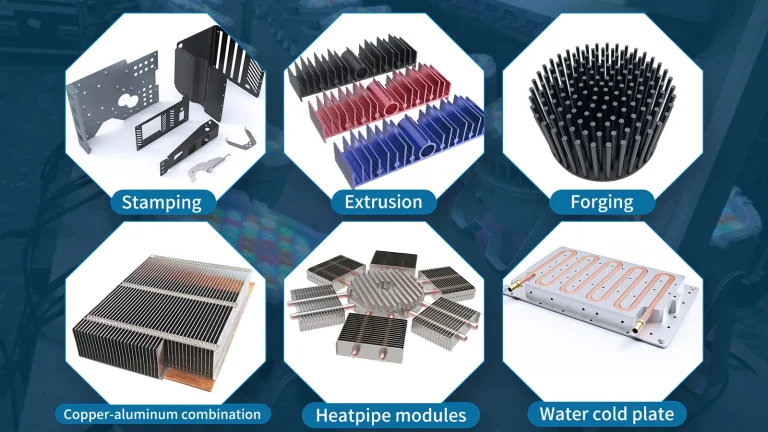
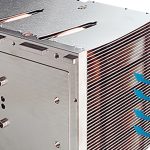
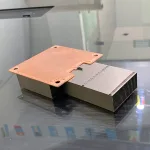
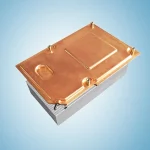
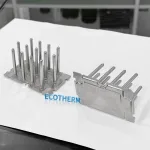
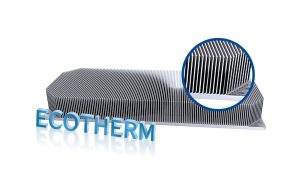
So, how are skived heat sinks made? They’re created by literally ‘skiving’—or peeling—super thin layers of metal, usually aluminum or copper, off a solid block with a special knife. This cool process forms fins that are actually part of the base itself, making one solid, seamless piece. What makes them stand out from bonded or extruded heat sinks is that skiving lets us achieve incredibly dense and tall fins. This is key because it maximizes the surface area for heat to escape, boosting cooling efficiency without any pesky thermal resistance where parts join.
Advantages of Custom Skived Heat Sinks
Custom skived heat sinks really shine, especially for high-performance gadgets. Because they’re built as one solid piece, you don’t have the thermal resistance you get with bonded parts, meaning heat transfers much better. Engineers can also get really creative with the fin shapes and how dense they are, perfectly matching them to airflow and cooling needs. This means better heat conductivity, lighter overall designs (especially with aluminum), and often a more budget-friendly choice for medium to large production batches compared to complicated machining or casting methods.
“The ability to customize fin pitch, height, and thickness with skiving technology provides an unparalleled advantage in optimizing heat sink performance for specific airflow conditions, a critical factor often overlooked in off-the-shelf solutions,” says Dr. Anya Sharma, lead thermal engineer at TechCool Innovations.
Key Design Considerations for Peak Performance
To get the absolute best cooling from custom skived heat sinks, you’ve got to think about a few key design elements. Choosing the right material is vital—copper is great for conductivity, while aluminum offers a lighter, more affordable option. Things like the fin’s height, thickness, spacing, and even the base thickness all make a big difference.
| Design Factor | Impact on Performance |
|---|---|
| Material | Thermal conductivity, weight, cost |
| Fin Height & Thickness | Surface area for heat dissipation, airflow resistance |
| Fin Spacing (Pitch) | Airflow characteristics, fin density |
| Base Thickness | Heat spreading efficiency |
| Airflow Rate & Direction | Convective heat transfer effectiveness |
It’s super important to balance how dense your fins are with the available airflow. More fins mean more surface area to dissipate heat, but too many can actually block the airflow, making it less effective if not perfectly matched to your system’s fan or natural convection. That’s why engineers often use CFD (Computational Fluid Dynamics) simulations to really dial in these settings and find that perfect sweet spot.
Applications Benefiting from Skived Heat Sinks
Because they’re so good at cooling, custom skived heat sinks are perfect for all sorts of tough applications. Think high-power LEDs, telecom gear, servers, data centers, medical equipment, car electronics, and industrial control systems—basically anywhere components are packed tight and generate a lot of heat. Plus, since you can customize them so much, they’ll fit right into even the most unusual spaces while still cooling incredibly efficiently.
Frequently Asked Questions About Skived Heat Sinks
The main advantage is the absence of a thermal interface joint between the fins and the base in skived heat sinks. Since the fins are integral to the base, there’s no thermal resistance from an adhesive or solder, leading to superior heat transfer efficiency.
Yes, skived heat sinks can be manufactured from both aluminum and copper. Copper offers higher thermal conductivity, making it ideal for applications requiring maximum heat dissipation, while aluminum is preferred for its lighter weight and lower cost.
While the initial tooling might be higher than simple extrusions, custom skived heat sinks can be very cost-effective for mid- to high-volume production runs. Their superior performance can also lead to smaller overall system sizes or improved reliability, offering long-term cost savings.