Choosing the Best Solar Heat Sink: Performance & Selection Guide
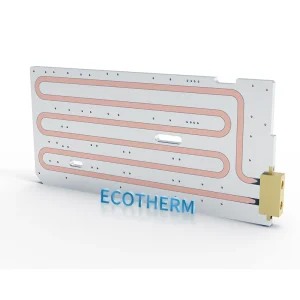
Solar energy systems, whether photovoltaic (PV) for electricity generation or solar thermal for heating, rely on efficient thermal management to operate optimally. A critical component in this ecosystem is the heat sink. Without proper heat dissipation, solar cells can lose efficiency, and components can degrade prematurely. This guide delves into the performance metrics and selection criteria essential for choosing the best solar heat sink for your specific application.
Understanding the Role of Solar Heat Sinks
A solar heat sink is designed to absorb and dissipate excess heat generated by solar components, primarily solar cells or thermal absorbers. In photovoltaic modules, solar cells convert sunlight into electricity, but a significant portion of the absorbed solar radiation is converted into heat. This heat raises the cell temperature, which can lead to a substantial decrease in power output – typically, PV cell efficiency drops by about 0.3-0.5% for every degree Celsius increase above 25°C. Similarly, in concentrated solar power (CSP) or solar thermal collectors, heat sinks (or thermal management systems) ensure that the absorber material or fluid operates within desired temperature ranges for maximum energy transfer and system longevity.
Key Performance Metrics for Solar Heat Sinks
Evaluating a heat sink’s performance involves several key parameters that dictate its effectiveness in transferring heat away from the source.
1. Thermal Conductivity (k):
This is the material’s ability to conduct heat. Higher thermal conductivity means heat can move through the heat sink more quickly and efficiently. Materials like copper and aluminum are favored for their excellent thermal conductivity.
2. Thermal Resistance (R_th):
Measured in °C/W, thermal resistance quantifies how effectively a heat sink dissipates heat. A lower thermal resistance indicates better performance, as it means a smaller temperature rise per watt of heat dissipated.
3. Surface Area:
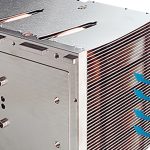
The total exposed surface area of the heat sink, often enhanced by fins, is crucial for convective heat transfer to the ambient air or cooling fluid. Larger surface areas facilitate more efficient heat dissipation through convection and radiation.
4. Emissivity:
For heat sinks relying partly on radiation, a higher surface emissivity (ability to radiate thermal energy) can contribute to better cooling, especially in applications with significant temperature differences.
5. Airflow/Fluid Flow:
The efficiency of a heat sink is heavily dependent on the movement of the cooling medium (air or liquid) across its surface. Optimized fin geometry and fan/pump selection are critical for forced convection systems.
Material and Design Selection Guide
| Material | Thermal Conductivity (W/m·K) | Advantages | Disadvantages | Typical Solar Applications |
|---|---|---|---|---|
| Aluminum (Alloy 6063) | 160-200 | Lightweight, cost-effective, easily extruded, good corrosion resistance | Lower thermal conductivity than copper | Standard PV modules, solar thermal absorbers |
| Copper | 385-400 | Excellent thermal conductivity | Heavy, more expensive, harder to extrude | High-power PV concentrators, concentrated solar thermal, high-flux applications |
| Graphite/Carbon Composites | 200-700 (anisotropic) | Very high thermal conductivity, lightweight, customizable | Brittle, high cost, complex manufacturing | Niche high-performance PV, aerospace solar applications |
| Silicon Carbide (SiC) | 120-270 | High thermal conductivity, excellent mechanical strength, high temp stability | Very high cost, brittle, difficult to machine | High-temperature solar thermal, specialized power electronics |
When selecting a heat sink, consider the following factors beyond just material:
1. Application Type:
Are you cooling standard PV modules, concentrated PV (CPV), or a solar thermal absorber? Each has different heat loads and temperature requirements. For instance, CPV systems require much more aggressive cooling due to high solar concentration.
2. Environmental Conditions:
Consider ambient temperature, humidity, dust, and potential for corrosion. Materials and surface treatments must withstand these factors to ensure long-term reliability.
3. Space and Weight Constraints:
For rooftop installations or integrated systems, size and weight can be critical factors influencing material choice and design complexity.
4. Cost vs. Performance:
Often, a balance must be struck. While copper offers superior thermal performance, its higher cost might make aluminum a more practical choice for many applications, especially where space permits larger heat sinks.
5. Manufacturing Method:
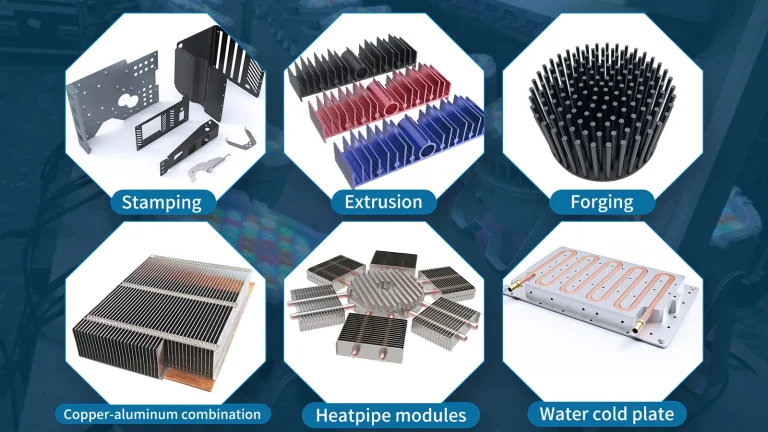
Extrusion (for aluminum), stamping, forging, skiving, or bonding are common methods. The chosen method impacts fin density, aspect ratio, and cost efficiency.
“Effective thermal management is not merely an add-on; it is an integral design consideration that determines the long-term efficiency and reliability of any high-power electronic or energy conversion system, solar included.” – Dr. Elena Rodriguez, Renewable Energy Systems Engineer.
Advanced Heat Sink Technologies and Considerations
Beyond passive air-cooled designs, advanced technologies offer enhanced heat dissipation:
Liquid Cooling:
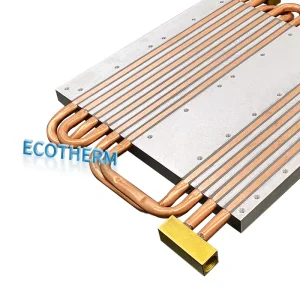
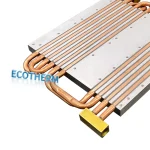
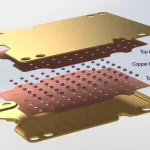
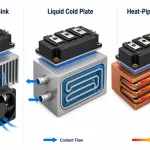
Utilizes a circulating liquid (e.g., water, glycol) to transfer heat, offering significantly higher thermal capacity than air. Often used in CPV or high-flux solar thermal applications where passive air cooling is insufficient.
Heat Pipes and Vapor Chambers:
These two-phase devices leverage the latent heat of vaporization to transfer heat very efficiently over relatively long distances with minimal temperature drop, ideal for localizing and spreading heat.
Phase Change Materials (PCMs):
PCMs absorb and release large amounts of latent heat during their phase transition (e.g., solid to liquid), effectively buffering temperature fluctuations and providing passive cooling during peak heat generation.
Solar Heat Sink FAQs
Solar panels, particularly photovoltaic (PV) modules, generate heat during energy conversion. Excessive heat reduces the efficiency of solar cells and can shorten their lifespan. Heat sinks help dissipate this excess heat, maintaining optimal operating temperatures and improving overall system performance and durability.
The ‘best’ material depends on the specific application. Copper offers the highest thermal conductivity but is heavy and expensive. Aluminum is a popular choice for its good balance of thermal performance, cost-effectiveness, and ease of manufacturing. For specialized, high-performance applications, graphite composites or silicon carbide might be considered.
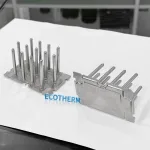
Fin design significantly impacts the surface area available for heat transfer. Taller, thinner, and more numerous fins increase the surface area, enhancing convective cooling. However, fin density must be optimized to allow sufficient airflow. Different fin geometries (e.g., straight, staggered, pin fins) are chosen based on airflow characteristics and space constraints.
While heat sinks don’t directly ‘generate’ efficiency, they prevent efficiency losses caused by overheating. By keeping solar cells cooler, heat sinks ensure that the cells operate closer to their maximum rated efficiency, thereby improving the net power output of the solar panel, especially in hot environments.
The selection of an appropriate solar heat sink is a critical engineering decision that directly impacts the efficiency, reliability, and longevity of solar energy systems. By carefully considering thermal performance metrics, material properties, design constraints, and advanced cooling technologies, engineers and system designers can optimize their solar installations for maximum energy capture and return on investment.