what is the function of the heat sink
Understanding how electronics stay cool during operation is key to maintaining their performance and lifespan. A heat sink is essential for preventing devices from overheating by effectively managing the heat produced during use. This article examines the role of the heat sink and its importance in modern technology.
Takeaway
- Heat sinks are essential components that manage and dissipate heat in electronic devices, ensuring performance and preventing overheating.
- They transfer heat from components like processors to the surrounding environment through conduction, convection, or radiation.
- Types of heat sinks include active models (using fans or liquid cooling) and passive models (relying on thermal conduction).
- Heat sinks are commonly used in computers, power electronics, LED lighting, and industrial machinery to maintain temperature stability.
- Important design factors include thermal conductivity, material choice (e.g., aluminum or copper), surface area, and airflow to improve heat dissipation.
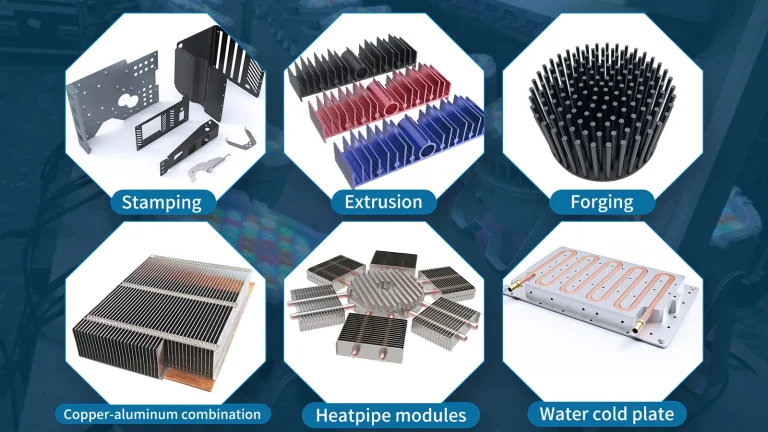
- Manufacturing methods like extrusion, die-casting, and 3D printing influence cost, performance, and scalability.
- Choosing and installing the right heat sink can extend the lifespan and reliability of electronic systems.
Introduction to Heat Sinks
What is a Heat Sink?
A heat sink is an essential part of thermal management systems that helps dissipate heat generated by electronic devices like CPUs, GPUs, and power transistors. Its main job is to absorb heat from the component and release it into the surrounding air, preventing overheating and supporting consistent performance. Heat sinks are passive devices, using conduction and convection to transfer heat efficiently.
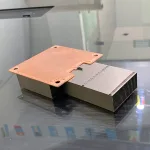
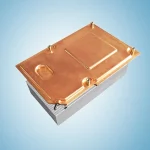
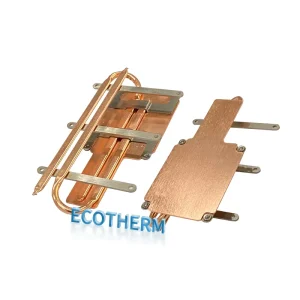
Materials used to make heat sinks are selected for their thermal conductivity. Aluminum and copper are the most common choices, with aluminum being lightweight and cost-effective, while copper offers better heat dissipation but is heavier and more expensive. Designs such as bonded and folded fins increase surface area and improve heat transfer efficiency.
| Material | Key Characteristics |
|---|---|
| Aluminum | Lightweight, affordable, moderate thermal conductivity |
| Copper | Higher thermal conductivity, heavier, more expensive |
The Role of Thermal Management
Thermal management is key to ensuring the reliability and longevity of electronic components. Heat sinks are critical in preventing heat buildup, which can cause system failures or lower performance. Ecothemgroup provides advanced heat sink solutions designed for specific applications, delivering optimized cooling across various industries.
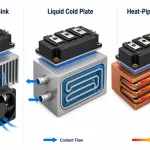
Heat sinks are generally classified as passive or active. Passive heat sinks depend on natural convection, making them ideal for low-power devices. Active heat sinks use fans or pumps to improve airflow and cooling, making them suitable for high-performance systems. Design features like fin density and attachment methods greatly impact the heat dissipation capabilities of a heat sink.
- Passive heat sinks: Rely on natural convection for cooling
- Active heat sinks: Use fans or pumps to boost airflow
- Custom solutions: Designed for specific applications
Heat sinks are vital in industries such as computing and automotive electronics. Their ability to manage heat effectively supports system stability, prevents damage, and ensures optimal functionality under challenging conditions.
How Heat Sinks Work
Principles of Heat Dissipation
A heat sink is essential for managing heat by dissipating it from electronic or mechanical components. It absorbs heat from the source, such as a CPU or power module, transfers it away, and releases it into the environment. This process ensures system reliability and prevents overheating. Efficient heat dissipation relies on conduction, convection, and radiation.
Copper and aluminum are common materials for heat sinks due to their thermal conductivity. Aluminum is lightweight and cost-effective, making it suitable for general use, while copper offers superior heat dissipation for high-performance devices. Heat sink designs often include fins or pins to increase surface area and improve thermal transfer.
| Material | Characteristics |
|---|---|
| Aluminum | Lightweight, affordable, good thermal conductivity |
| Copper | Heavy, expensive, excellent thermal conductivity |
Conduction, Convection, and Radiation
Heat sinks manage heat through conduction, convection, and radiation. Conduction transfers heat directly between the source and the heat sink through physical contact. Copper heat sinks are often preferred for their high thermal conductivity.
Convection moves heat from the heat sink to the surrounding air. Active heat sinks use fans or blowers to increase air movement, while passive heat sinks rely on natural convection for quieter operation.
Radiation emits heat as electromagnetic waves. Although less significant than conduction or convection, it helps overall heat dissipation, particularly in areas with limited airflow.
- Conduction: Heat transfer through physical contact.
- Convection: Heat transfer using air or liquid movement.
- Radiation: Heat emitted as electromagnetic waves.
Ecothemgroup designs advanced heat sinks, including bonded and folded fin models, that maximize surface area for better heat dissipation. These designs meet the need for customized solutions in high-power applications, ensuring optimal performance and stability.
Types of Heat Sinks
Active vs. Passive Heat Sinks
Heat sinks are categorized into active and passive types based on their cooling mechanism. Active heat sinks use external elements like fans or liquid pumps to enhance heat dissipation. These are ideal for high-power devices, such as CPUs in computers, where efficient cooling is critical. Passive heat sinks rely on natural convection and have no moving parts. They are suitable for applications requiring silent operation or compact designs, such as small electronic devices. The choice between active and passive heat sinks depends on the power requirements and environmental constraints of the system.
Material Choices: Copper vs. Aluminum
The material of a heat sink plays an important role in its performance. Copper and aluminum are the most commonly used materials. Copper offers excellent thermal conductivity, making it highly effective for dissipating extreme heat, especially in high-performance systems. Aluminum is lighter, more affordable, and easier to manufacture, though it is less conductive than copper. Hybrid designs that combine copper bases with aluminum fins are often preferred for balancing cost and efficiency. Ecothemgroup provides a wide selection of copper and aluminum heat sinks designed for various applications.
| Material | Key Features |
|---|---|
| Copper | High thermal conductivity, heavier, more expensive |
| Aluminum | Lightweight, affordable, easier to manufacture |
Advanced Designs: Bonded and Folded Fin Heat Sinks
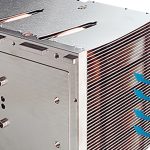
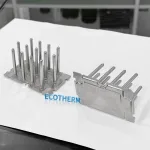
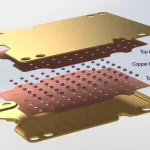
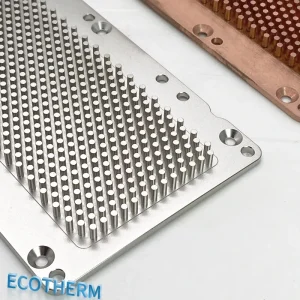
Modern heat sink designs meet the demand for customized thermal management solutions. Bonded fin heat sinks use adhesives to attach fins, increasing surface area for better heat dissipation. Folded fin heat sinks are made by folding thin sheets of metal, creating dense fin arrays that improve airflow and cooling. These designs work well for applications that need high-performance cooling in compact spaces. Ecothemgroup specializes in advanced heat sink solutions, including bonded and folded fin designs, ensuring reliable heat management across industries.
- Bonded fin heat sinks: Enhanced heat dissipation through increased surface area
- Folded fin heat sinks: Dense fin arrays in compact designs for better airflow
Applications of Heat Sinks
Heat Sinks in Electronics
Heat sinks are essential for maintaining the performance and durability of electronic devices. They are commonly found in computers to cool CPUs, GPUs, and other high-temperature components. By dissipating heat during operation, heat sinks prevent thermal throttling and hardware damage. Advanced designs, like bonded and folded fin heat sinks, increase the surface area for heat dissipation, making them suitable for high-performance computing systems. Copper and aluminum are popular choices due to their excellent thermal conductivity. Ecothemgroup offers innovative heat sink solutions designed for modern electronic needs, including compact designs for space-limited devices.
Specialized Uses: RC Engines and High-Power Systems
In specialized applications like RC engines and high-power systems, heat sinks are vital. RC engines, operating at high speeds, produce significant heat that can affect performance and efficiency. Heat sink and fan assemblies are specifically designed for these engines to maintain optimal temperatures and prevent overheating. High-power systems, such as industrial lasers and power amplifiers, rely heavily on heat sinks to manage thermal loads for consistent operation. These systems often use custom-engineered heat sinks with optimized fin geometry and enhanced airflow to reduce thermal resistance.
Industrial and Consumer Applications
Heat sinks are widely used in industrial and consumer applications. In industrial machinery, they cool motor drives, transformers, and renewable energy components like solar inverters, ensuring stability and efficiency. For consumer electronics, passive heat sinks are preferred for their silent operation in devices such as medical equipment and household appliances. The choice between active and passive cooling depends on power consumption and noise tolerance. Ecothemgroup is advancing heat sink technology to deliver energy-efficient thermal management solutions focused on sustainability.
| Application | Purpose |
|---|---|
| Computers (CPUs, GPUs) | Prevent overheating and maintain performance |
| RC Engines | Control temperature for high-speed operation |
| Industrial Machinery | Enhance efficiency and prevent thermal damage |
| Consumer Electronics | Ensure silent, reliable operation |
- Improve system stability through efficient heat dissipation
- Extend the lifespan of electronic and industrial components
- Optimize thermal performance in compact and high-power systems
Design and Manufacturing Considerations
Thermal Resistance and Efficiency
Thermal resistance is a key factor in heat sink design, determining how effectively heat is transferred from an electronic component to its environment. Lower thermal resistance improves performance, helping devices maintain safer operating temperatures. Factors affecting thermal resistance include material selection, surface area, and airflow. Aluminum and copper are popular choices due to their high thermal conductivity. Aluminum is lightweight and cost-effective, while copper offers superior heat dissipation for more demanding applications. Advanced manufacturing techniques, such as bonded and folded fin designs, increase surface area for better heat dissipation, as demonstrated in industry insights from Ecothemgroup.
| Material | Key Properties |
|---|---|
| Aluminum | Lightweight, cost-effective, good thermal conductivity |
| Copper | Superior thermal conductivity, ideal for high-performance systems |
Customizing Heat Sinks for Specific Needs
Customization is crucial for designing heat sinks tailored to specialized applications. Key considerations include component size, thermal load, and space limitations. Techniques like CNC machining and extrusion enable precise, custom solutions. Ecothemgroup highlights the effectiveness of folded fin heat sinks in compact designs that require enhanced airflow. Customization also facilitates integration with other cooling components, such as fans, to create optimized thermal management systems.
- Account for space constraints when designing heat sinks
- Choose manufacturing methods based on thermal needs
- Ensure compatibility with other cooling components
Emerging Trends in Heat Sink Design
New trends in heat sink design focus on innovative materials and processes to boost efficiency and sustainability. Copper heat sinks are increasingly used in high-heat applications due to their exceptional thermal conductivity. Hybrid designs combining different materials are also being explored to balance performance and cost. Additive manufacturing, like 3D printing, allows for complex geometries that enhance airflow and improve thermal resistance. Ecothemgroup notes growing demand for eco-friendly solutions, leading to the use of recyclable materials and energy-efficient production methods.
People Also Ask
The main function of a heat sink is to dissipate heat from electronic or mechanical components, preventing overheating and ensuring stable performance.
A heat sink conducts heat away from the heat source and releases it into the surrounding air through convection. Its design maximizes surface area to improve heat transfer.
Popular types of heat sinks include bonded fin, folded fin, and copper heat sinks. Each type offers unique designs and materials to suit various thermal management needs.
Copper heat sinks are preferred for their excellent thermal conductivity, which allows them to dissipate heat more effectively than materials like aluminum, making them ideal for high-power applications.
Important factors include thermal resistance, material choice, surface area, and airflow. These elements ensure the heat sink effectively manages heat while meeting application requirements.
Heat sinks are widely used in electronics like CPUs, GPUs, and power amplifiers, as well as mechanical systems such as RC engines to prevent overheating and maintain performance.
Passive heat sinks rely on natural convection for heat dissipation, while active heat sinks use fans or similar mechanisms to enhance heat transfer, making them more effective for high-power systems.
Bonded and folded fin heat sinks increase surface area for better heat transfer, improving thermal performance. These designs are often used for advanced and customized thermal management systems.