LED Cooling - Heat Sinks Manufacturer
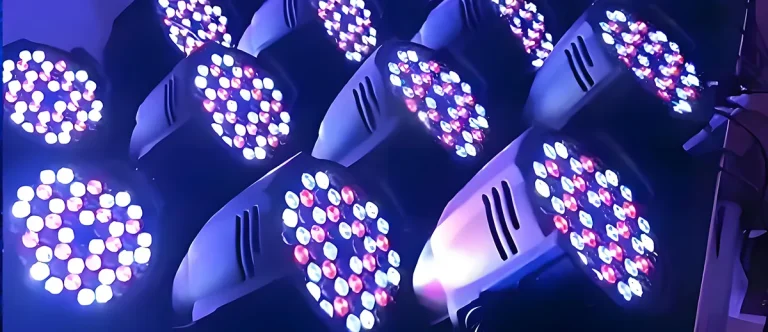
You use LED lighting because it saves energy and gives bright, steady light. But heat can hurt how well your LEDs work and how long they last. If you do not manage heat well, you might see problems like less light, color changes, or even total failure.
- High heat can make LEDs last only 39,000 hours at 75°C instead of 90,000 hours at 50°C.
- Bad heat sink design can make the light fade by more than 20% in just a few months.
- More people want strong lighting for homes, factories, and cars, so new cooling ideas are being made.
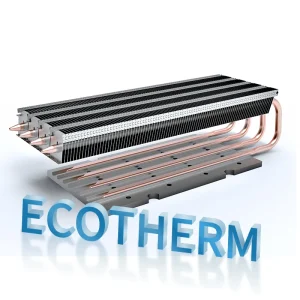
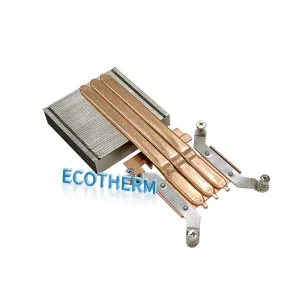
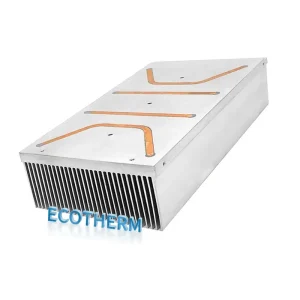
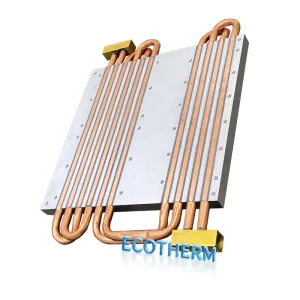
A led heat sink helps control heat and keeps your LEDs working well for many years.
Why LED Cooling Is Essential
Heat Impact on LEDs
You rely on LEDs for bright and efficient lighting, but heat can quickly become a problem. When LEDs get too hot, their performance drops. You might notice less light or even changes in color. High temperatures can cause thermal runaway, which means your LEDs could fail completely if you do not control the heat.
Tip: Keeping LED junction temperatures low helps your lights last longer and shine brighter.
Here is a simple table that shows how temperature affects LED lifespan:
| Junction Temperature (°C) | Expected Lifespan (hours) |
|---|---|
| 65 | 100,000 |
| 125 | 4,000 |
As you can see, cooler LEDs last much longer. If you let the temperature rise, you will need to replace your lights more often.
You also face other problems when LEDs overheat:
- Diminished performance and reduced light output.
- Color shifts that affect how your space looks.
- Damage to materials and components, which means more repairs.
- Higher costs for maintenance and replacements.
Benefits of Effective Cooling
When you use a led heat sink, you help your LEDs stay cool and work better. Good cooling brings many benefits:
- You get immediate improvements in energy efficiency.
- LEDs produce up to 75% less heat, so you spend less on cooling your space.
- You save money because your lights last longer and need fewer repairs.
- You enjoy steady brightness and color, which is important for homes, offices, and stores.
A led heat sink manages heat by spreading it out and keeping your LEDs at the right temperature. This means more energy turns into light, not heat. You get reliable lighting and lower costs over time.
LED Heat Sink Functionality
Heat Dissipation Principles
When you use an LED, it produces light but also creates heat. If you do not remove this heat, your LED can get too hot and lose brightness or even stop working. The led heat sink helps you manage this heat by moving it away from the LED and spreading it out into the air.
You can understand how a led heat sink works by looking at three main ways it handles heat:
| Mechanism | Description |
|---|---|
| Conduction | The heat sink pulls heat away from the LED and its circuit board. |
| Convection | Air moves around the heat sink, carrying heat away into the environment. |
| Radiation | The heat sink can also send some heat out as infrared energy, especially in high-power designs. |
Here is a simple process that shows how heat moves in your LED system:
- The LED generates heat during use.
- The heat travels into the heat sink.
- The heat sink releases this heat into the air, keeping the LED cool.
You want to keep the LED’s temperature low. This helps your lights last longer and work better. If you use your LEDs in a hot room, the heat sink has to work even harder. High temperatures in the environment make it harder for the heat sink to get rid of heat. That is why good thermal management is so important for your lighting.
Materials and Design Features
The material you choose for your heat sink matters a lot. Most led heat sinks use aluminum or copper because these metals move heat quickly. Aluminum is popular because it is light, easy to shape, and has good thermal conductivity (about 237 W/m·K). Copper moves heat even faster (about 400 W/m·K), so you might see it in high-performance lighting.
| Material | Thermal Conductivity (W/m·K) | Features |
|---|---|---|
| Copper | 400 | Best for moving heat, heavier, more costly |
| Aluminum | 237 | Light, flexible, cost-effective |
You also need to look at the shape and surface of your heat sink. Fins and pins are common features. They increase the surface area, which helps the heat sink release more heat into the air. Here are some design options you might see:
- Rectangular fins: Simple and easy to make, good for basic cooling.
- Wavy fins: Help move air better and improve cooling.
- Pin fin arrays: Work well in tight spaces with good airflow.
Note: A larger surface area means better cooling. The more air touches the heat sink, the more heat it can release.
Some heat sinks have special coatings, like anodizing. This treatment helps the heat sink send out heat as infrared energy and protects it from rust. If you use your LEDs in tough environments, this coating can help your heat sink last longer and work better.
When you pick a led heat sink, think about the material, the shape, and the surface treatment. These features all help keep your LEDs cool and bright for a long time.
LED Heat Sink Types
Passive vs. Active Cooling
You can pick passive or active cooling for your LED lights. Each type has its own good points.
- Passive cooling uses things like conduction, convection, and radiation. It does not need extra power or moving parts. This makes it easy to use and needs little care.
- Active cooling uses things like fans or pumps. These help move heat away faster. You get better cooling and more control over the temperature.
Note: Passive cooling is best for less heat. Active cooling is good for high-power LEDs or small spaces with lots of power.
Here are times when you need active cooling:
| Scenario Description | Reason for Active Cooling |
|---|---|
| Outdoor LED display boxes | These make a lot of heat and need it gone fast. |
| High-power LED street lights | They must work well in all weather and stay strong. |
| Ultra-high-definition Mini/Micro LED displays | Lots of pixels can get hot, so active cooling keeps them safe. |
| Industrial lighting (warehouse high shed lights) | They run long and use much power, so active cooling helps keep them steady. |
Standard, Linear, and Custom Designs
There are many shapes and styles for a led heat sink. The design you pick changes how well your LEDs stay cool.
| Fin Geometry | Description | Application |
|---|---|---|
| Straight Fins | Simple, works well with fans that push air. | Used with systems that blow air. |
| Pin Fins | Has more surface, great for natural airflow. | Good in places with slow air. |
| Flared Fins | Makes it easier for air to move, helps fans work better. | Makes the whole system work better. |
- New designs often look smooth and modern.
- Some heat sinks have no fins to stop dirt and keep working well.
Custom designs help with special cooling needs. You can get special fin shapes, lighter materials, and different finishes. Custom heat sinks fit your needs and can save money on putting things together. They also help your LEDs last longer by keeping them cool.
| Factor | Standard Heat Sink | Custom Heat Sink |
|---|---|---|
| Thermal Needs | Low to Moderate | High or Special |
| Production Volume | Low to High | Medium to High |
| Budget | Low | Higher |
| Time-to-Market | Fast | Slower |
| Form Factor | Flexible | Unique or Limited |
“Good thermal management is very important for how long LED lights really last.
Choosing a Manufacturer
Selection Ecothermgroup
When you pick a manufacturer for LED cooling, you want good quality. Not every company has the same skills or trustworthiness. You should find a manufacturer with lots of experience and new ideas. Ecothermgroup is special because it uses advanced technology and has many years in the field.
Here are some things to think about when picking a manufacturer:
- Experience making and designing LED cooling products.
- Use of strong materials like aluminum or copper for better heat transfer.
- Ability to make custom designs for your needs.
- Focus on the size and surface area of the heat sink to keep LEDs cool.
- Knowledge about different environments and how they change cooling.
- Promise to keep improving and help customers.
Tip: A good manufacturer will help you pick the right led heat sink. This makes your LEDs last longer and work better.
Testing and Certifications
You want your LED lights to be safe and work well. Manufacturers do many tests to check their products. They use stress tests to see how heat sinks work in hot or cold places. This helps you know your cooling system will work in tough spots.
Thermal simulation is also important. Engineers use computers to test how heat moves away from the LED. This helps them choose the best design before making it.
Manufacturers use thermal chambers too. These rooms let them change the temperature and see how the heat sink works. You get a product that is tested for strength and performance.
Certifications show a manufacturer follows safety and quality rules. Here are some common certifications to look for:
| Certification | Region | Purpose |
|---|---|---|
| UL | USA | Safety certification for LED products |
| CE | Europe | Ensures compliance with health and safety rules |
| FCC | USA | Regulates electromagnetic interference |
| RoHS | Europe | Restricts hazardous substances |
International standards like ISO 9001 and ISO 14001 matter too. ISO 9001 checks that the company manages quality well. ISO 14001 shows they care about the environment and handle waste. If you need a heat sink for medical devices, ISO 13485 is needed.
- Quality assurance means the company checks each step and fixes problems early.
- ISO certifications help you trust the manufacturer, even if you work with people in other countries.
- Big companies often want these certifications before buying products.
Performance Metrics and Case Studies
You need to know how well a heat sink works before buying. Manufacturers use clear numbers to show how their products perform. One important number is absolute thermal resistance. This tells you how well the heat sink moves heat away from the LED. Lower numbers mean better cooling.
| Metric | Description |
|---|---|
| Absolute Thermal Resistance | Measures how well the heat sink transfers heat to the environment. Lower values mean better cooling. |
Manufacturers face problems like managing heat, keeping colors bright, and making sure their products fit many LEDs. They fix these problems by using new cooling methods, like immersion cooling, and by making heat sinks that work in many places.
| Challenge | Solution |
|---|---|
| Heat Management | Immersion cooling uses special fluids to move heat away quickly. |
| Color Quality and Consistency | Stable temperatures keep colors true and bright. |
| Compatibility Issues | Standardized designs make it easy to use with different LEDs. |
| Environmental Impact | Efficient cooling saves energy and helps the planet. |
Case studies show that good heat sinks help LEDs last longer. When you use a well-made led heat sink, your lights stay bright and keep their color for years. Good materials and smart designs keep the temperature low. This means less fading and fewer replacements.
Note: Picking a manufacturer with strong testing, clear data, and real results helps you get the most from your LED lighting system.
You help your LED lights stay bright and last longer. Using the right heat sink keeps your LEDs cool. This saves energy and lowers how much you spend on repairs. Look at the table below to see the main benefits:
| Key Aspect | Explanation |
|---|---|
| Heat Dissipation | Moves heat away from LEDs to keep them cool. |
| Lifespan Extension | Prevents overheating, so LEDs last longer. |
| Energy Efficiency | Reduces energy use by improving cooling. |
| Maintenance Savings | Lowers repair and replacement costs. |
- Pick a good heat sink from a company you trust.
- Make sure the heat sink fits your LED lights.
- Smart choices help your LEDs work well and last a long time.
FAQ
What does an LED heat sink do?
An LED heat sink pulls heat away from your LED. It spreads the heat into the air. This keeps your LED cool and helps it last longer.
How do you choose the right size heat sink?
You need to match the heat sink to your LED’s power and space. Bigger LEDs need larger heat sinks. Check the LED’s wattage and ask your manufacturer for advice.
Can you use any material for a heat sink?
No. You should use materials with high thermal conductivity. Aluminum and copper work best. These metals move heat quickly and keep your LED safe.
Do all LED lights need a heat sink?
Most high-power LEDs need a heat sink. Small, low-power LEDs may not need one. If your LED gets warm during use, you should use a heat sink.