Heat Sink for Solar Energy Storage (ESS): Battery Pack Cooling Solutions
Effective thermal management is a key challenge in solar energy storage systems (ESS), especially for battery packs that produce heat during operation. A well-designed solar heat sink helps manage excess heat, ensuring consistent performance and prolonging battery life. This article examines innovative cooling solutions to improve the reliability and efficiency of solar-powered ESS.
Takeaway
- Effective cooling is essential for maintaining the efficiency and lifespan of solar energy storage systems (ESS), especially battery packs.
- Heat sinks are crucial for dissipating excess heat during energy storage and discharge, preventing thermal damage and improving performance.
- Key heat sink technologies include passive cooling, active cooling, and hybrid solutions, each designed for specific ESS applications and climates.
- The adoption of solar heat sinks is growing in industries such as residential energy storage, electric vehicles, and large-scale renewable energy projects.
- Innovations like advanced materials, nanotechnology, and AI-driven thermal management are shaping the future of solar heat sink technology.
- Integrating cooling systems into ESS designs can reduce energy losses, enhance safety, and lower long-term operational costs.
- Collaboration between manufacturers and researchers is driving the development of more efficient, sustainable, and cost-effective cooling solutions for next-generation ESS.
Introduction to Solar Heat Sinks
What Are Solar Heat Sinks?
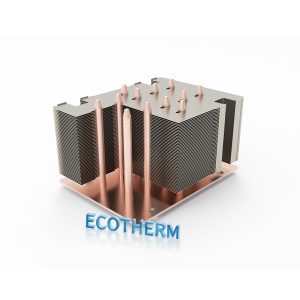
Solar heat sinks are essential components in thermal management systems for solar energy storage solutions, such as battery energy storage systems (ESS). Their main role is to dissipate excess heat from solar panels and battery packs, ensuring efficient operation and extending system lifespan. By transferring heat away from sensitive components, solar heat sinks help prevent overheating, which can lower system performance and energy conversion efficiency.
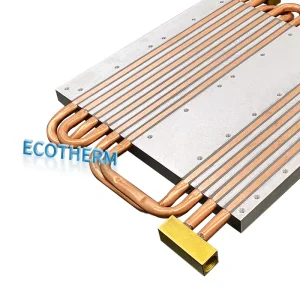
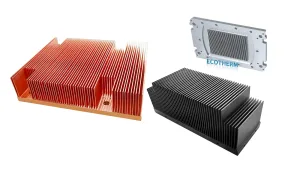
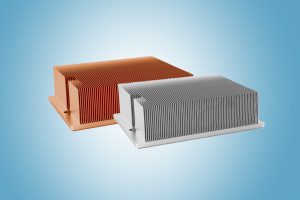
Heat sinks in solar applications are commonly made from materials like aluminum or copper due to their excellent thermal conductivity. They often feature fins or other geometric designs that increase surface area, improving heat dissipation. Advanced technologies, such as integration with phase change materials (PCMs) or liquid cooling systems, further enhance their performance in high-temperature conditions.
Role of Heat Sinks in Solar ESS
In solar battery energy storage systems, heat sinks are vital for maintaining temperature stability. Excess heat generated during energy storage and discharge cycles can reduce battery efficiency and lifespan. Studies show that for every degree Celsius increase above optimal conditions, solar panel efficiency drops by approximately 0.4–0.5%. Well-designed heat sinks help mitigate this effect, ensuring steady energy output and lowering maintenance costs over time.
Passive cooling systems, such as air-cooled heat sinks, are widely used in solar ESS for their simplicity and energy efficiency. They operate without requiring extra power, aligning with the sustainability goals of solar power systems. Liquid cooling and hybrid solutions, while more complex, are increasingly adopted for commercial setups due to their superior performance under high thermal loads.
| Heat Sink Type | Key Features |
|---|---|
| Air-Cooled Heat Sink | Simple design, passive cooling, cost-effective |
| Liquid-Cooled Heat Sink | Enhanced cooling performance, ideal for high-temperature environments |
| Hybrid Heat Sink | Combination of air and liquid cooling, optimized for commercial ESS |
- Reduces battery degradation caused by overheating
- Improves energy efficiency and system reliability
- Supports eco-friendly and cost-effective solar energy systems
Ecothermgroup provides innovative heat sink solutions for solar ESS. Their products incorporate advanced thermal management technologies designed for a range of applications, from residential systems to large-scale commercial projects. By focusing on durable and efficient designs, these solutions play a key role in the success of solar energy storage systems globally.
Importance of Cooling in Solar Battery Packs
Thermal Challenges in Energy Storage Systems
Solar energy storage systems (ESS) rely on battery packs to store energy efficiently. However, during operation, batteries generate significant heat due to chemical reactions and electrical resistance. Without proper thermal management, this heat can build up, causing uneven temperature distribution across cells, known as thermal hotspots. These hotspots can lead to accelerated aging, reduced energy efficiency, and, in severe cases, safety risks like thermal runaway.
For lithium-ion batteries, the optimal operating temperature range is typically between 20°C and 35°C. When temperatures exceed 40°C, the risk of cell degradation increases significantly, potentially shortening battery lifespan by up to 40%. This underscores the critical role of cooling technologies, such as solar heat sinks, in maintaining thermal stability and ensuring reliable performance in solar ESS.
| Problem | Impact | Solution |
|---|---|---|
| Thermal hotspots | Uneven cell degradation | Improved heat sink design |
| High operating temperatures | Reduced battery lifespan | Active cooling systems |
| Thermal runaway | Safety risks | Integrated passive and active cooling |
Benefits of Efficient Cooling Solutions
Implementing efficient battery cooling solutions offers multiple benefits for solar ESS. By integrating technologies like solar heat sinks, liquid cooling systems, and phase-change materials (PCMs), manufacturers can ensure consistent thermal management. Effective cooling minimizes temperature variations within the battery pack, reducing the risk of cell imbalance and improving overall system performance.
Active cooling solutions, such as liquid cooling with water-glycol mixtures, provide superior heat dissipation for high-density ESS applications. Meanwhile, passive cooling methods, like advanced heat sink designs, offer cost-effective and energy-efficient options for smaller or stationary systems. These technologies enhance energy storage efficiency and improve safety by mitigating thermal runaway risks.
- Extends battery lifespan by maintaining optimal temperatures
- Improves energy efficiency and reduces operational costs
- Increases safety by preventing thermal runaway
- Supports higher energy densities in compact battery designs
Brands like Ecothermgroup are leading the way in developing innovative cooling solutions for solar ESS. By combining advanced heat sink designs with cutting-edge active and passive technologies, they deliver reliable and long-lasting energy storage systems capable of meeting modern energy demands.
Types of Heat Sink Technologies
Air Cooling vs. Liquid Cooling
The choice between air cooling and liquid cooling plays a significant role in managing the thermal performance of solar battery energy storage systems (ESS). Air cooling is common due to its simplicity and affordability. It uses fans to circulate air over the battery pack, helping dissipate heat. However, it often struggles to maintain consistent temperatures, especially under high-load or fast-charging conditions. Liquid cooling, on the other hand, uses a water-glycol mixture to ensure stable temperature regulation across battery cells. This method is highly efficient and enhances battery longevity and performance but requires more complex infrastructure, including pumps and piping. It also carries potential risks like leaks, necessitating careful design and maintenance.
Ecothermgroup, a leader in thermal management solutions, offers advanced air and liquid cooling technologies designed for ESS applications. Their products are engineered to balance performance and reliability, ensuring effective heat dissipation for solar battery systems.
Innovations in Heat Sink Design
New heat sink designs are transforming thermal management in ESS, particularly for solar energy storage. Aluminum and copper-based microchannel heat sinks are now standard due to their compact design and efficient heat transfer. These solutions are ideal for high-density battery systems where space and precise thermal control are critical. Another emerging technology involves phase change materials (PCMs), which absorb and store heat during phase transitions. PCMs are often integrated with traditional heat sinks to improve efficiency, especially during peak loads.
Hybrid systems that combine passive and active cooling methods are becoming more popular. For instance, advanced materials like PCMs or nanofluids are being used to create hybrid heat sinks that eliminate the need for active components such as fans or pumps. This results in energy-efficient, low-maintenance solutions. Ecothermgroup has been leading the development of these innovative designs, utilizing cutting-edge materials to enhance thermal performance in solar ESS applications.
| Cooling Method | Key Features |
|---|---|
| Air Cooling | Cost-effective, simple setup, limited thermal uniformity |
| Liquid Cooling | High efficiency, uniform temperature distribution, complex infrastructure |
| Hybrid Systems | Energy-efficient, passive design, reduced maintenance |
- Air cooling is suitable for low to moderate energy loads.
- Liquid cooling is ideal for high-density systems requiring precise temperature control.
- Hybrid designs improve energy efficiency by combining active and passive technologies.
Commercial Applications of Solar Heat Sinks
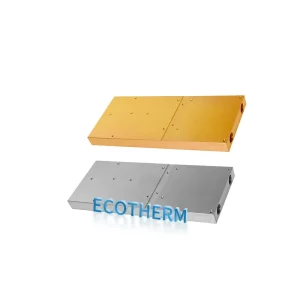
Solar heat sinks are crucial in commercial energy storage systems for efficient thermal management. They help maintain the optimal performance of battery packs in solar energy storage solutions. Excessive heat can impact battery efficiency, reduce lifespan, and pose safety risks. Thus, integrating solar heat sinks is essential in commercial settings to effectively dissipate heat.
Solar ESS in Commercial Energy Storage
Commercial energy storage solutions, such as those offered by Ecothermgroup, use solar heat sink technology to boost the performance of solar battery packs. These systems often employ passive cooling techniques with materials like aluminum or copper, known for their reliability and low maintenance. These materials do not need external power sources to manage battery temperatures, making them ideal for commercial setups.
Moreover, integrating phase change materials (PCMs) with heat sinks is becoming more popular. PCMs absorb and store excess thermal energy during peak operations, enhancing the energy efficiency and reliability of solar ESS systems. This method ensures that the systems can handle high thermal loads without compromising performance.
Case Studies of Effective Cooling Solutions
Several case studies highlight the effective use of solar heat sinks in commercial applications. For instance, modular solutions by Sinexcel incorporate advanced cooling technologies like liquid and air cooling, significantly enhancing the efficiency of battery energy storage systems. These systems are designed for scalability, making them suitable for large-scale installations.
Design optimization is key to the effectiveness of these solutions. By using advanced simulations and selecting the right materials, commercial applications can ensure that heat sinks perform efficiently under varying environmental conditions. This approach is particularly important in large-scale operations, where maintaining consistent performance is critical.
| Feature | Benefit |
|---|---|
| Aluminum Heat Sinks | Reliable, low maintenance, no external power required |
| Phase Change Materials | Absorb excess thermal energy, enhance efficiency |
| Design Optimization | Ensures effective cooling under different conditions |
The commercial use of solar heat sinks in energy storage systems offers many benefits, including improved efficiency, reliability, and cost-effectiveness. As more businesses adopt these technologies, balancing upfront investment with long-term savings through improved performance and reduced maintenance costs becomes clear.
- Enhanced Efficiency
- Reliability in Large-Scale Installations
- Cost-Effectiveness
Future Trends in Solar Heat Sink Technology
Advancements in Thermal Management Systems
As the demand for efficient solar energy storage systems (ESS) increases, advancements in thermal management systems are becoming essential. Solar heat sinks are incorporating innovative materials like phase change materials (PCMs) and graphene, which offer excellent thermal conductivity. These materials improve heat sink performance, ensuring battery packs operate efficiently under various environmental conditions. Ecothermgroup is leading the way in integrating these advancements, providing reliable cooling solutions for solar ESS applications.
Hybrid systems that combine heat sinks with thermal energy storage are also gaining popularity. These systems enhance cooling efficiency and reduce energy loss during storage, making them ideal for large-scale solar ESS setups. Additionally, lightweight and durable materials such as carbon nanotubes and advanced aluminum alloys are being used in heat sink designs, reducing weight while maintaining strength and cooling capabilities.
| Material | Benefit |
|---|---|
| Phase Change Materials (PCMs) | High thermal conductivity and energy efficiency |
| Graphene | Exceptional heat dissipation properties |
| Carbon Nanotubes | Lightweight and durable |
| Advanced Aluminum Alloys | Improved cooling with reduced weight |
Integration with Emerging Solar ESS Technologies
The integration of solar heat sink technology with emerging ESS solutions is transforming energy storage systems. Advanced tools like artificial intelligence (AI) and machine learning are now being used to optimize thermal management. These technologies enable real-time monitoring and predictive analysis, improving system efficiency and reliability.
Sustainability is also driving the development of eco-friendly heat sink designs. Manufacturers are increasingly using recyclable materials and aligning production processes with renewable energy goals to support low-carbon systems. Ecothermgroup is embracing this trend, offering heat sinks designed for environmental compatibility alongside high performance.
- AI-driven thermal optimization for real-time cooling
- Integration with modular ESS technologies for scalability
- Use of recyclable and sustainable materials
As solar ESS technologies advance, innovative heat sink solutions will play a key role in meeting future demands for efficiency, sustainability, and reliability in renewable energy.
People Also Ask
A solar heat sink is a device designed to dissipate excess heat from solar energy storage systems, such as battery packs. It helps maintain performance, prevents overheating, and extends battery lifespan.
Heat sinks improve efficiency by keeping batteries within an optimal temperature range, reducing thermal stress, and minimizing energy losses caused by overheating. This ensures reliable operation and better energy storage performance.
The main types of heat sink technologies include air-cooled heat sinks, liquid-cooled systems, and phase-change materials. Each option offers specific benefits depending on the scale and cooling requirements of the system.
In commercial setups, heat sinks are essential for maintaining the efficiency and reliability of large-scale solar battery systems. Advanced cooling methods, such as liquid cooling, are often used to handle higher energy loads effectively.
A solar heat sink is designed to address the unique thermal challenges of solar energy systems, such as variable energy loads and outdoor conditions. Standard heat sinks may not be suitable for these specific demands.
Future trends include the use of advanced materials like graphene for better heat dissipation, AI-driven thermal management, and the development of more compact and efficient cooling systems for energy storage.
Cooling prevents overheating, which can degrade battery cells over time and reduce efficiency and lifespan. Proper thermal management ensures stable performance and lowers the risk of thermal runaway.
Yes, heat sinks can be used in residential solar energy systems to manage heat generated by battery packs. Although residential systems have lower cooling demands, effective thermal management is still crucial for safety and performance.