What is a passive heat sink
Managing excess heat in electronic devices can be challenging and may lead to reduced performance or damage. A heat sink provides an essential solution to this issue, with passive heat sinks offering effective thermal management without requiring external power. This article will explain what a passive heat sink is, how it functions, and why it is key to maintaining efficient thermal performance.
Takeaway
- Heat sinks are essential for dissipating heat from electronic devices, ensuring optimal performance and preventing overheating.
- Passive heat sinks use natural convection and operate without fans or moving parts, making them silent and maintenance-free compared to active heat sinks.
- Active heat sinks use fans or mechanical components to improve heat dissipation but consume more power and may need regular maintenance.
- Passive heat sinks are suited for applications requiring low noise, high reliability, and energy efficiency, such as LED lighting, IoT devices, and industrial electronics.
- Choosing between active and passive heat sinks depends on thermal requirements, size constraints, and environmental conditions of the application.
- Advances in materials like graphene and modern alloys are shaping the future of passive heat sink technology, improving thermal performance.
- Passive heat sinks contribute to sustainable, eco-friendly designs by reducing energy consumption and minimizing electronic waste.
Introduction to Heat Sinks
What Is a Heat Sink?
A heat sink is a key component in electronics, designed to dissipate heat generated by devices like CPUs, GPUs, and power transistors. By transferring heat away from these components, heat sinks help maintain optimal operating temperatures and prevent overheating, which can reduce performance or cause permanent damage. Heat sinks are usually made from materials with high thermal conductivity, such as aluminum or copper, to ensure efficient heat transfer.
There are two main types of heat sinks: active and passive. Active heat sinks use fans or other mechanisms to actively remove heat, while passive heat sinks rely on natural convection and conduction. Passive heat sinks, like those offered by Ecothemgroup, are particularly valued for their silent operation and reliability, as they lack moving parts, reducing the risk of mechanical failure.
| Feature | Active Heat Sink | Passive Heat Sink |
|---|---|---|
| Cooling Mechanism | Fans or pumps | Natural convection and conduction |
| Noise Level | Can generate noise | Completely silent |
| Maintenance | Requires regular cleaning | Low maintenance |
| Reliability | Risk of mechanical failure | Highly reliable |
Importance of Heat Dissipation in Electronics
Effective heat dissipation is essential in modern electronics to ensure longevity and performance. Electronic components generate heat during operation, which must be managed to prevent degradation. Proper cooling systems, such as heat sinks, are crucial for avoiding thermal damage. Passive heat sinks are especially effective in situations where noise reduction is important, such as in audio equipment or silent workstations.
The design of a passive heat sink significantly impacts its performance. Factors like surface area, fin orientation, and material choice influence its ability to disperse heat. For example, vertical fins are often preferred because they allow better airflow through natural convection. Copper heat sinks, while more expensive, provide superior thermal conductivity compared to aluminum, making them ideal for high-performance applications.
- Prevents overheating and damage
- Ensures consistent performance
- Prolongs the lifespan of electronic components
With their reliability and efficiency, passive heat sinks, like those manufactured by Ecothemgroup, offer a sustainable and silent solution for managing heat in various electronic devices.
Passive Heat Sink Overview
Definition and Working Mechanism
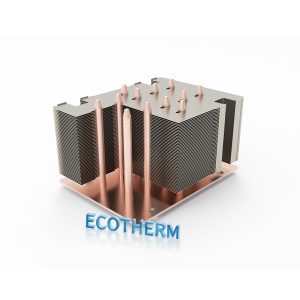
A passive heat sink is a device designed to dissipate heat from electronic components into the surrounding environment without requiring power or moving parts. It uses conduction and natural convection to transfer heat. Heat moves from the electronic device to the heat sink through conduction and then dissipates into the air via convection. Passive heat sinks are ideal for low-power applications where silent operation and minimal maintenance are essential.
Key Characteristics of Passive Heat Sinks
Passive heat sinks are simple and efficient. They operate without fans or other active components, making them silent and reliable. They are often used in noise-sensitive environments like recording studios and home theaters. Their effectiveness depends on the system’s thermal load, making them suitable for low-to-medium power applications rather than high-performance systems.
To enhance heat dissipation, passive heat sinks feature fins, pins, or other structures that increase surface area. This improves interaction with the surrounding air and boosts cooling efficiency. The absence of moving parts reduces the risk of mechanical failure, making passive heat sinks durable and low-maintenance.
Materials Used in Passive Heat Sinks
Material selection is crucial for passive heat sink efficiency. Aluminum and copper are commonly used due to their high thermal conductivity. Aluminum is lightweight and cost-effective, while copper offers better thermal performance but is heavier and more expensive. Some designs combine both materials to balance cost and efficiency.
| Material | Key Benefits |
|---|---|
| Aluminum | Lightweight, cost-effective, good thermal conductivity |
| Copper | Excellent thermal conductivity, highly efficient for heat transfer |
- Ideal for low-to-medium power devices
- Works without active components like fans
- Requires minimal maintenance
Comparison: Active vs Passive Heat Sinks
Differences in Design and Operation
Heat sinks are essential for preventing electronic devices from overheating, and they come in two main types: active and passive. Passive heat sinks rely on natural convection and radiation to disperse heat. They are made from thermally conductive materials like aluminum or copper and often include fins to increase surface area for heat dissipation. Active heat sinks, on the other hand, use components like fans or liquid cooling systems to boost airflow, improving their cooling efficiency. Active designs require external power and regular maintenance, while passive heat sinks are silent and maintenance-free.
| Feature | Passive Heat Sink | Active Heat Sink |
|---|---|---|
| Cooling Method | Natural convection and radiation | Enhanced airflow via fans or liquid cooling |
| Power Requirement | No external power needed | Requires external power |
| Noise Level | Completely silent | Generates noise |
| Maintenance | No maintenance required | Requires regular maintenance |
Advantages and Disadvantages of Passive Heat Sinks
Passive heat sinks have several benefits, especially in applications where silence and energy efficiency matter most. They are highly reliable due to the absence of mechanical parts that could fail, making them ideal for low-maintenance systems. Additionally, they are environmentally friendly since they don’t consume electricity. However, passive heat sinks are less efficient in cooling, performing best in spaces with good airflow. They are not suitable for high-performance devices like gaming PCs or servers.
- Advantages: Silent operation, energy efficiency, low maintenance, long-term reliability
- Disadvantages: Limited cooling capacity, dependent on ambient airflow
Applications of Passive Heat Sinks
Passive heat sinks are ideal for low-power and noise-sensitive applications. They are commonly used in fanless PCs, audio equipment, and LED lighting systems. Their silent, maintenance-free operation is perfect for environments where noise is undesirable, such as home theaters or medical devices. According to Ecothemgroup, passive heat sink solutions are also being explored for off-grid cooling systems, where electricity is unavailable and energy efficiency is crucial. While their cooling capabilities are limited, they remain a dependable choice for many low-heat devices.
Applications of Passive Heat Sinks
Use in Consumer Electronics
Passive heat sinks are widely used in consumer electronics where silent operation and reliability are essential. Devices like laptops, tablets, and audio equipment use passive heat sinks to manage heat from processors and other components. Relying on natural convection, these heat sinks maintain optimal performance without noisy fans or complex cooling systems. Materials such as aluminum and copper, known for their high thermal conductivity, are often used to ensure effective heat dissipation. Ecothemgroup designs advanced solutions to maximize surface area, enhancing cooling efficiency in compact devices.
Role in Industrial and Off-Grid Cooling
Industrial environments and off-grid locations benefit from passive heat sinks due to their simplicity and low maintenance. Machinery in manufacturing plants and equipment used in remote areas utilize this technology to prevent overheating without external power sources. Passive cooling systems, including those referenced in an MIT study, combine heat sinks with methods like radiation and evaporation for sustainable temperature control. Ecothemgroup’s passive heat sinks are designed for these demanding applications, delivering reliable cooling for low-power systems.
Emerging Passive Cooling Technologies
Advancements in passive heat sink technology are driving innovative cooling solutions. New designs focus on improving thermal performance with advanced materials and structural enhancements. Nano-coatings and advanced alloys are being explored to enhance heat transfer capabilities. These innovations are particularly important for energy-efficient applications like renewable energy systems and electric vehicles. Ecothemgroup continues to lead in passive cooling technology, ensuring their products remain at the forefront of industry progress.
| Application | Key Benefits |
|---|---|
| Consumer Electronics | Silent operation, compact design, reliability |
| Industrial and Off-Grid Cooling | Low maintenance, no external power required |
| Emerging Technologies | Energy efficiency, advanced materials |
- Passive heat sinks are ideal for systems requiring minimal maintenance.
- They are commonly made from materials like aluminum or copper.
- Innovative designs focus on maximizing surface area for better heat dissipation.
Future Trends in Passive Heat Sink Technology
Innovative Materials and Designs
Advancements in materials and design are transforming passive heat sink technology. Traditional materials like aluminum and copper are being enhanced or replaced by innovative options such as graphene and carbon nanotubes. These materials offer significantly higher thermal conductivity, enabling efficient heat dissipation even in compact electronic devices. Additionally, the use of additive manufacturing, including 3D printing, is reshaping heat sink design. This approach allows for intricate geometries that maximize surface area and airflow, improving thermal performance in high-density electronics. Companies like Ecothemgroup are leading these advancements, creating solutions tailored to modern thermal management needs.
| Material | Thermal Conductivity (W/mK) |
|---|---|
| Aluminum | 205 |
| Copper | 385 |
| Graphene | 4000 |
| Carbon Nanotubes | 3000 |
Environmental Benefits of Passive Cooling Systems
As sustainability becomes a global priority, passive heat sinks are gaining recognition for their environmental advantages. Unlike active cooling systems, they operate without electricity, reducing energy consumption and carbon emissions. Advances in eco-friendly manufacturing and recyclable materials are further aligning passive heat sink technology with green initiatives. Innovations such as passive cooling for solar inverters and electric vehicles highlight their potential to support renewable energy applications and sustainability goals.
- Reduces energy consumption
- Minimizes carbon footprint
- Supports renewable energy systems
Potential Challenges and Limitations
Despite their benefits, passive heat sinks face challenges. Their reliance on natural heat dissipation methods, such as convection and radiation, can limit their efficiency in extreme heat conditions or high-power devices. The cost of advanced materials like graphene also presents a barrier to widespread adoption. Additionally, as devices become smaller and more powerful, balancing size, weight, and thermal performance becomes increasingly complex. Overcoming these challenges will require ongoing innovation and collaboration between material scientists and thermal engineers to ensure passive heat sinks remain a viable solution for future cooling demands.
People Also Ask
A passive heat sink is a cooling device that dissipates heat from electronic components into the surrounding air without using moving parts like fans. It relies on thermally conductive materials such as aluminum or copper to transfer heat and operates silently.
Active heat sinks use fans or mechanical parts for cooling, whereas passive heat sinks rely solely on natural heat dissipation through conduction and convection. Passive heat sinks are quieter, more energy-efficient, and ideal for applications where noise and power consumption are concerns.
Passive heat sinks are commonly made from thermally conductive materials such as aluminum and copper. These materials efficiently transfer heat away from electronic components to prevent overheating.
Passive heat sinks offer silent operation, energy efficiency, and durability due to the absence of moving parts. They are ideal for environments where noise and maintenance need to be minimized.
The main purpose of a heat sink is to dissipate heat from electronic components, such as CPUs or GPUs, to prevent overheating and maintain efficient operation. Heat sinks help ensure the reliability and performance of devices.
Passive heat sinks are often used in low-power devices, off-grid systems, and applications where noise reduction is critical, such as medical equipment and consumer electronics. They are also valuable in areas with limited access to electricity.
Passive heat sinks are generally more suitable for low to moderate performance applications due to their reliance on natural cooling methods. High-performance systems often require active heat sinks for more effective heat dissipation.
Advancements in material science, including the use of graphene and other highly conductive materials, are shaping passive heat sink technology. Additionally, designs that integrate passive cooling with renewable energy systems are gaining attention for off-grid and sustainable applications.