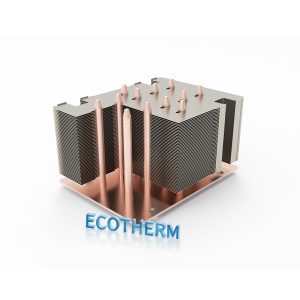
Custom Vapor Chamber Heat Sinks: Advanced Thermal Management for AI & Military Systems
As technology continues to advance, managing heat in high-power systems like AI processors and military equipment has become a critical challenge. A vapor chamber heat sink provides an innovative solution, offering effective thermal management to ensure these systems operate reliably even in extreme conditions. This article highlights how custom designs are transforming cooling technology in demanding industries.
Takeaway
- Vapor chamber heat sinks deliver exceptional thermal performance by efficiently distributing heat across surfaces, making them ideal for demanding applications like AI and military systems.
- Custom vapor chamber designs provide tailored solutions to address the specific thermal management needs of advanced technologies, including compact AI processors and rugged military electronics.
- The production of custom vapor chambers involves precise engineering and careful material selection to ensure they perform optimally under extreme conditions, such as high temperatures or environments with significant vibration.
- Vapor chamber heat sinks offer key benefits like improved heat dissipation, lower thermal resistance, and greater reliability compared to traditional cooling methods.
- AI systems gain from vapor chamber technology by maintaining stable temperatures, which is essential for achieving maximum processing speeds and handling data-intensive tasks efficiently.
- Military applications utilize vapor chambers for their durability and ability to perform reliably in harsh conditions, ensuring consistent operation during critical missions.
- Future developments in vapor chamber technology are likely to focus on miniaturization, enhanced thermal conductivity, and the integration of new materials to meet the evolving needs of next-generation systems.
Introduction to Vapor Chamber Heat Sinks
What Are Vapor Chamber Heat Sinks?
A vapor chamber heat sink is a high-performance thermal management solution designed to efficiently transfer and distribute heat from high-power electronic components. These systems use phase-change cooling, where a working fluid—often water—vaporizes when it contacts a heat source, such as a CPU or IGBT, and then condenses back to liquid in cooler areas. This ongoing cycle of heat absorption and dissipation helps maintain consistent temperature regulation across the device.
Custom vapor chamber heat sinks are especially effective in handling high heat flux density and eliminating hot spots in compact, high-performance designs. They are widely used in applications requiring reliable thermal management, such as AI server cooling, aerospace electronics, and military systems. Manufacturers like Ecothermgroup specialize in creating tailored solutions for industries where precise thermal control is essential.
| Feature | Benefit |
|---|---|
| Isothermal properties | Ensures uniform heat distribution |
| Copper mesh wick or sintered copper powder | Enhances thermal conductivity and efficiency |
| Hermetic sealing | Improves durability and prevents fluid leakage |
| Skived fin integration | Increases surface area for heat dissipation
|
Why Vapor Chambers Excel in Thermal Management
The exceptional performance of vapor chamber heat sinks comes from their combination of high thermal conductivity and low thermal resistance (Rth). This makes them well-suited for managing the high TDP (Thermal Design Power) of components like AI accelerators and military-grade electronics. Traditional heat sinks, which rely solely on conduction, often fall short in handling the intense heat these systems produce. Vapor chambers, however, excel due to their superior heat-spreading capabilities.
Another major advantage is design flexibility. Vapor chambers can be customized with features such as lightweight aluminum extrusion bases or integrated skived fins for enhanced cooling. These characteristics make them ideal for space-limited environments, including aerospace electronics and remote telecom base stations. Additionally, vapor chambers can function passively, without requiring active cooling components, improving their weight-to-performance ratio and simplifying system design.
- Eliminates hot spots by distributing heat evenly
- Supports compact designs in space-constrained applications
- Handles extreme thermal loads in AI and military systems
- Performs reliably under dynamic temperature conditions
When choosing a vapor chamber heat sink, materials like sintered copper powder and copper mesh wick play a key role in optimizing performance. These materials enable efficient phase-change cooling, which is particularly important for high-power applications. For instance, military systems often operate in extreme environments where reliability is critical. Brands like Ecothermgroup focus on incorporating these advanced features to deliver solutions capable of meeting the toughest demands.
Applications in AI and Military Systems
AI Accelerators and GPUs
Custom vapor chamber heat sinks are essential for managing the thermal demands of AI accelerators and GPUs. These components generate substantial heat due to their high TDP during intensive computations like deep learning and real-time data processing. Vapor chambers excel at evenly distributing heat across their surface, using isothermal properties to reduce hot spots that can affect performance. By employing phase-change cooling, heat is efficiently transferred from critical areas, ensuring stable operation under heavy workloads.
Advanced AI servers often pair vapor chamber heat sinks with sintered copper powder or copper mesh wicks to improve thermal conductivity and maintain low thermal resistance (Rth). The addition of skived fins further enhances heat dissipation, which is vital for data centers where maximizing heat flux density is crucial for uninterrupted AI processing. These solutions are also ideal for compact systems, where space limitations demand efficient cooling without compromising the weight-to-performance ratio.
Ecothermgroup’s custom solutions support AI applications by providing hermetically sealed vapor chambers designed for durability. Often combined with aluminum extrusion bases for lightweight designs, these products offer flexibility for deployment in remote telecom base stations or edge computing units requiring passive cooling systems.
| Feature | Benefit for AI Systems |
|---|---|
| Phase-change cooling | Efficient heat transfer and hot spot elimination |
| Sintered copper powder wick | Enhanced thermal conductivity |
| Skived fin integration | Improved heat dissipation |
| Hermetic sealing | Long-term reliability |
Military Hardware and Aerospace Electronics
Military systems require dependable thermal solutions to perform in extreme conditions. Vapor chamber heat sinks play a critical role in handling the high power densities of components like IGBTs (Insulated Gate Bipolar Transistors) and advanced computing platforms used in electronic warfare and autonomous vehicles. Their ability to distribute heat evenly ensures reliable performance, even under intense shock, vibration, and temperature changes.
Aerospace electronics, including satellite systems and avionics, benefit from vapor chambers due to their lightweight yet durable structure. Sintered copper powder and copper mesh wicks improve heat spreading efficiency, while hermetically sealed designs resist environmental factors like dust and moisture. Vapor chambers integrated with skived fins and aluminum extrusion bases meet stringent SWaP requirements, optimizing weight-to-performance ratios for portable and airborne systems.
Ecothermgroup specializes in custom vapor chamber heat sinks designed for military applications, delivering high reliability and operational stability. These solutions are frequently used in remote telecom base stations, where passive cooling mechanisms reduce maintenance in isolated areas. Addressing the unique demands of aerospace and defense electronics, vapor chambers provide exceptional thermal management.
- Uniform heat transfer for electronic warfare systems
- Durability against extreme shock and vibration
- Lightweight construction for aerospace applications
- Compliance with SWaP requirements
Design and Manufacturing of Custom Vapor Chamber Heat Sinks
Precision Engineering for High-Performance Cooling
Creating custom vapor chamber heat sinks demands precision engineering to address the challenging thermal requirements of AI accelerators, military electronics, and aerospace systems. Vapor chambers are highly effective in applications with high heat flux density, thanks to their ability to distribute heat evenly across large surfaces and prevent hotspots. During the design phase, advanced techniques like CFD thermal simulations are used to analyze heat sources and optimize heat sink geometry for maximum efficiency.
Manufacturers, including Ecothermgroup, apply innovative methods like skived fin integration and aluminum extrusion bases to achieve lightweight designs with excellent thermal conductivity. The phase-change cooling mechanisms within vapor chambers ensure low thermal resistance (Rth) and high reliability under varying thermal loads, making them ideal for AI server cooling and IGBT thermal management.
For military and aerospace applications, the weight-to-performance ratio is key. Custom vapor chambers often feature ultra-thin profiles and advanced copper mesh wick or sintered copper powder structures to enhance heat transfer while keeping the overall weight low. This balance is critical for systems operating in harsh environments, such as remote telecom base stations and military radars, where passive cooling solutions are valued for their reliability and durability.
Material Selection and Reliability Testing
Material selection is crucial in vapor chamber manufacturing. Copper is widely used for its excellent thermal conductivity, while aluminum is often added for lightweight designs in aerospace electronics. Advanced wick structures, including sintered copper powder and copper mesh, are customized to meet specific TDP requirements and improve phase-change cooling performance. Hermetic sealing ensures long-term reliability by preventing leaks and maintaining vacuum integrity.
Reliability testing involves processes such as vacuum brazing and helium leak detection to confirm the vapor chamber’s durability and performance under stress. These tests are essential for military-grade products, where consistent functionality is critical. For example, vapor chambers in AI server cooling systems must deliver reliable thermal performance under rapid load changes and high operational temperatures.
Manufacturers frequently pair vapor chambers with other thermal solutions like liquid cooling systems or heat pipes to enhance cooling capacity. This hybrid approach is especially useful in scenarios requiring both passive and active cooling mechanisms to manage extreme heat loads effectively.
| Key Design Element | Benefit |
|---|---|
| Ultra-Thin Profile | Maximizes space efficiency for compact systems |
| Copper Mesh Wick | Improves heat transfer and phase-change cooling |
| Hermetic Sealing | Ensures long-term reliability in critical applications |
| Skived Fins Integration | Enhances heat dissipation with minimal weight |
- Optimize material selection based on thermal conductivity and weight.
- Use advanced simulation techniques to refine designs.
- Perform rigorous reliability testing, including leak detection and thermal cycling.
Advantages of Vapor Chamber Heat Sinks
Compact Design for Dense Systems
Vapor chamber heat sinks offer unique benefits for compact, high-performance systems where space is limited. Their slim design and isothermal capabilities make them perfect for dense setups like AI servers, aerospace electronics, and military-grade systems. Unlike traditional heat sinks with bulky fin arrays, vapor chambers utilize phase-change cooling to enhance heat dissipation in a smaller form factor.
Advanced materials such as sintered copper powder or copper mesh wick improve their efficiency. For example, Ecothermgroup provides custom vapor chamber solutions that optimize heat spreading for multi-die setups, ensuring consistent temperature distribution even in tight spaces. This feature is especially valuable in applications like remote telecom base stations, where both space efficiency and thermal management are crucial.
Custom designs that incorporate aluminum extrusion bases or skived fin integration offer additional flexibility, enabling tailored solutions for challenges in AI accelerators and defense electronics. The reduced weight-to-performance ratio of vapor chambers compared to traditional options also supports mobility in military and aerospace uses.
Enhanced Efficiency in High-Heat-Flux Applications
One of the standout advantages of vapor chamber heat sinks is their capacity to manage high heat flux density. Conventional heat sinks often struggle with thermal hotspots, which can reduce the performance of AI accelerators, IGBTs, and other high-power electronics. Vapor chambers address this by quickly spreading heat across their surface, reducing thermal resistance (Rth) and preventing hotspots.
For instance, advanced 3D vapor chambers, offered by companies like Boyd Corporation, increase cooling surface area vertically, boosting heat dissipation capabilities. This is especially critical for high-TDP (Thermal Design Power) components in AI server cooling and military-grade systems, where reliability is essential. Hermetic sealing ensures durability in harsh conditions, a key requirement for aerospace and defense applications.
Compared to active cooling methods, vapor chambers provide superior reliability without relying on moving parts, making them a preferred choice for mission-critical systems. Their ability to maintain low thermal resistance and efficiently spread heat ensures reliable performance even under heavy loads.
| Feature | Benefit |
|---|---|
| Isothermal properties | Uniform temperature distribution |
| Phase-change cooling | Efficient heat dissipation |
| Compact design | Space-saving for dense systems |
| High heat flux handling | Elimination of thermal hotspots |
| Hermetic sealing | Durability in harsh environments |
For high-heat-flux applications, vapor chamber heat sinks have become a leading solution. With advancements in manufacturing, including optimized wick structures and material innovation, companies like Ecothermgroup are making these technologies more widely available. Their role in maintaining thermal stability in advanced AI and military systems is critical, ensuring both performance and reliability in demanding environments.
Future Trends in Vapor Chamber Technology
Advancements in 3D Vapor Chamber Assemblies
The rise of 3D vapor chamber assemblies represents a major advancement in thermal management, particularly for high-density and high-power systems like AI servers and military-grade electronics. Unlike traditional flat vapor chambers, 3D designs incorporate multiple layers and intricate geometries to deliver superior heat spreading and handle higher heat flux density. This innovation is critical for applications where compactness and performance are equally essential, such as aerospace electronics and AI accelerators.
3D vapor chambers often utilize sintered copper powder and advanced wick structures like copper mesh wicks, which improve phase-change cooling and lower thermal resistance (Rth). For instance, Ecothermgroup has been leading the development of these advanced assemblies, ensuring top-tier performance even in extreme conditions ranging from -55°C to 125°C. Furthermore, improvements in hermetic sealing now enable these chambers to maintain reliability in harsh environments, including combat zones.
The inclusion of skived fin designs and aluminum extrusion bases further optimizes the weight-to-performance ratio. This is especially important for military applications, where lightweight components are vital without sacrificing thermal conductivity. Additionally, additive manufacturing is reshaping the field by allowing precise customization of 3D vapor chambers to meet the specific thermal design power (TDP) demands of modern AI processors and IGBT systems.
| Feature | Benefit |
|---|---|
| 3D Geometry | Enhanced heat spreading and compact design |
| Sintered Copper Powder | Improved phase-change cooling |
| Copper Mesh Wick | Reduced thermal resistance for high heat flux |
| Hermetic Sealing | Reliability in extreme environments |
| Skived Fin Integration | Better weight-to-performance ratio |
Emerging Use Cases in AI and Defense
With the growing demands of AI systems and military applications, vapor chamber heat sinks are becoming indispensable. AI server cooling is a key application, where these heat sinks efficiently manage the high TDP of GPUs and AI accelerators. By eliminating hot spots and maintaining consistent isothermal properties, vapor chambers help ensure optimal performance and extend the lifespan of critical components.
Military-grade reliability is another area where vapor chamber technology stands out. Devices used in defense, such as radar systems and remote telecom base stations, require cooling solutions capable of withstanding shocks, vibrations, and extreme temperature changes. Vapor chambers provide passive cooling solutions that are robust and require minimal maintenance. Their operation without mechanical parts also reduces the risk of failure during critical missions.
Additionally, hybrid cooling systems that combine vapor chambers with active cooling methods are gaining popularity. These setups provide redundancy and ensure steady thermal performance, even under changing workloads. In aerospace and defense systems, which often operate in isolated or extreme environments, this dual-layered approach to cooling has become a preferred choice.
- AI server cooling for high TDP GPUs and processors
- Thermal management in military radar and communication systems
- Hybrid cooling in aerospace electronics for redundancy
- Heat dissipation for IGBT modules in power electronics
The future of vapor chamber heat sinks lies in meeting the demand for compact, lightweight, and efficient thermal solutions in AI and defense. As companies like Ecothermgroup continue to push the boundaries with advanced materials and designs, further improvements in heat flux management and durability are on the horizon.
People Also Ask
What is a vapor chamber heat sink and how does it work?
A vapor chamber heat sink is a thermal management device that uses a sealed chamber containing a working fluid to efficiently distribute heat. When heat is applied, the fluid evaporates, and the vapor moves to cooler areas where it condenses, transferring heat away from the source. This process ensures high-performance cooling in compact and dense systems.
Why are vapor chamber heat sinks ideal for AI and military systems?
Vapor chamber heat sinks are highly effective for AI and military systems because they deliver advanced cooling for high-power electronics in confined spaces. Their ability to handle heat flux efficiently and reliably makes them a great fit for GPUs, AI accelerators, and rugged military hardware that demand top-tier performance and durability.
What are the key advantages of custom vapor chamber heat sinks compared to standard models?
Custom vapor chamber heat sinks provide specialized thermal solutions tailored to specific needs. They can be designed to manage unique heat loads, accommodate complex geometries, and meet strict performance standards in demanding industries like aerospace, AI, and military applications.
What materials are commonly used in the manufacturing of vapor chamber heat sinks?
Materials like copper and aluminum are commonly used to manufacture vapor chamber heat sinks due to their excellent thermal conductivity. These base materials may be enhanced with advanced coatings or alloys to improve durability and efficiency in high-performance settings.
How are vapor chamber heat sinks integrated into AI hardware such as GPUs or accelerators?
Vapor chamber heat sinks are integrated into AI hardware by attaching them directly to components like GPUs or accelerators. They evenly distribute heat across the chamber surface, ensuring optimal performance and reliability in compact AI systems that require efficient thermal management.
What challenges are associated with designing vapor chamber heat sinks for military systems?
Designing vapor chamber heat sinks for military systems involves overcoming challenges like extreme temperature fluctuations, high-power densities, and rugged operating conditions. Custom designs prioritize reliability, durability, and performance to ensure efficient cooling in tough environments.
How do vapor chamber heat sinks compare to heat pipes in thermal management performance?
Vapor chamber heat sinks typically provide superior heat spreading compared to heat pipes, particularly in high-heat-flux applications. They offer uniform cooling over larger surfaces, making them well-suited for compact, high-power systems like AI and military electronics.
What future trends are shaping vapor chamber heat sink technology?
Emerging trends in vapor chamber heat sink technology include advancements in 3D vapor chambers, ultra-thin designs, and improved materials with higher thermal conductivity. These innovations are addressing the growing cooling requirements of next-generation AI hardware and military-grade electronics.