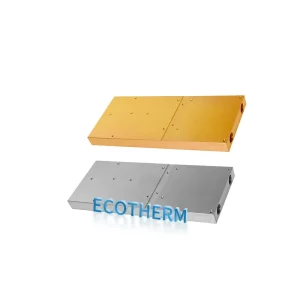
High-Performance Vacuum Brazing Cold Plates for EV & Aerospace | Ecothermgroup
Effective thermal management is crucial in industries such as electric vehicles (EV) and aerospace, where heat-sensitive components require advanced cooling systems. Brazing heat sinks, including vacuum brazing cold plates, deliver exceptional performance in managing heat while maintaining reliability and precision. This article highlights Ecothermgroup’s innovative solutions tailored to meet these demanding needs.
Takeaway
- Vacuum-brazed cold plates offer exceptional thermal performance and structural integrity, making them ideal for managing heat in demanding applications like EVs and aerospace systems.
- Brazing heat sinks are essential for maintaining optimal thermal conditions in sensitive electronics and components, ensuring reliability in extreme operating environments.
- The design and manufacturing of vacuum-brazed cold plates prioritize precision engineering, allowing customizable solutions tailored to specific thermal and mechanical requirements.
- Vacuum brazing technology delivers benefits such as leak-free joints, high thermal conductivity, and the ability to incorporate complex internal designs for improved heat transfer efficiency.
- Electric vehicles gain from vacuum-brazed cold plates by enhancing battery cooling and extending component lifespan, while aerospace systems rely on their durability under extreme temperature and pressure conditions.
- Ecothermgroup specializes in advanced vacuum brazing techniques, providing innovative solutions to meet the growing need for energy-efficient, high-performance thermal management systems.
- Investing in vacuum-brazed cold plates can significantly improve thermal management capabilities, boosting system reliability and performance in next-generation technologies.
Introduction to Vacuum Brazing Cold Plates
What is Vacuum Brazing?
Vacuum brazing is a precise joining process used to manufacture high-performance cold plates for applications that demand exceptional thermal management. The process involves heating components in a controlled vacuum environment, enabling the filler material to flow and bond without oxidation or the need for flux. This creates a strong, leak-proof seal with excellent structural integrity, making it ideal for critical uses such as EV battery cooling and aerospace heat exchangers.
Unlike traditional welding or soldering, vacuum brazing delivers superior results by removing impurities and ensuring even heat distribution. Aluminum alloys like 6061 and 6063 are frequently used due to their lightweight characteristics and excellent thermal conductivity. This method is particularly effective for intricate designs, including internal fin structures that enhance heat dissipation and reduce thermal resistance.
| Advantages | Applications |
|---|---|
| Leak-proof seals | EV battery cooling |
| High thermal conductivity | Aerospace heat exchangers |
| Durable construction | Power electronics cooling |
Relevance in EV and Aerospace Industries
The need for vacuum-brazed cold plates has grown in the EV and aerospace industries due to their ability to manage high power densities while maintaining compact, lightweight designs. In electric vehicles, these cold plates are essential for EV battery cooling systems and IGBT module thermal management, ensuring optimal performance and extended lifespan. By incorporating thermal interface materials (TIMs) and customized flow paths, manufacturers like Ecothermgroup provide solutions tailored to specific space and thermal needs.
In aerospace, vacuum-brazed cold plates are vital for heat exchangers operating under extreme conditions. Their corrosion resistance and robust construction make them the preferred choice for applications such as satellite cooling systems and high-altitude avionics. The use of cladding materials further enhances their durability, ensuring reliability in challenging environments.
- Enhanced thermal conductivity improves component reliability.
- Precision manufacturing ensures compatibility with advanced electronics.
- Custom designs accommodate various fluids, including water, glycol, and PAOs.
Ecothermgroup utilizes advanced vacuum brazing techniques to maximize heat transfer efficiency while minimizing production defects. By maintaining strict control over temperature and vacuum conditions, their cold plates provide consistent performance across industries. The growing adoption of vacuum brazing technology is driven by the demand for efficient heat dissipation solutions in high-power applications.
The Role of Brazing Heat Sinks in Thermal Management
Thermal Challenges in EV and Aerospace Applications
Electric vehicles (EVs) and aerospace systems rely on efficient thermal management to maintain performance and reliability. High-power components like EV batteries, IGBT modules, and avionics electronics generate significant heat during operation. If not managed properly, this heat can lead to overheating, reduced efficiency, and premature failure. These applications also require systems that are lightweight, space-efficient, and capable of withstanding extreme conditions, including rapid thermal cycling and vibration. For example, EV battery cooling systems must balance compact designs with high thermal conductivity to optimize energy density without compromising durability.
Aerospace applications pose even greater challenges due to higher operational altitudes and fluctuating temperatures. Aircraft heat exchangers must consistently dissipate heat while meeting strict weight and structural integrity requirements. These systems must endure demanding conditions, requiring materials and designs that resist thermal stress and maintain a leak-tight seal under high thermal loads.
Another critical issue is thermal resistance, as inadequate heat transfer can cause hotspots and uneven cooling. To combat this, advanced thermal interface materials (TIMs) and fin structures are incorporated into cold plate designs to improve surface area and heat dissipation efficiency.
How Brazing Heat Sinks Address These Challenges
Brazing heat sinks are essential for tackling these thermal management challenges, offering robust mechanical properties and optimized thermal performance. Vacuum brazing, a fluxless process, allows for precise joining of materials such as aluminum 6061/6063 and copper into leak-proof cold plates with excellent thermal conductivity. This method creates seamless bonds between components, reducing thermal resistance and improving heat dissipation.
Controlled atmosphere brazing (CAB) is another widely used method for heat sink manufacturing, especially in EVs. It produces lightweight yet durable structures, while specialized fin geometries in brazed cold plates enhance heat transfer by increasing the surface area exposed to cooling fluids. Brazing also ensures structural integrity under high thermal loads, making it ideal for aerospace heat exchangers that require consistent performance in demanding conditions.
Ecothermgroup’s expertise in vacuum brazing technology delivers high-performance cold plates customized for specific applications. Using advanced brazing techniques, their solutions achieve better thermal conductivity, reduced thermal resistance, and long-term reliability. Liquid cooling plates for EV battery systems incorporate cladding materials and TIMs, ensuring efficient heat transfer within compact designs.
| Application | Thermal Management Requirement |
|---|---|
| EV Battery Cooling | Lightweight design, high thermal conductivity, compact structure |
| Aerospace Heat Exchangers | Resistance to thermal cycling, leak-tight seals, structural durability |
Additionally, brazing technology minimizes manufacturing defects like voids and cracks, ensuring reliable performance over extended lifespans. Optimizing brazing parameters enhances microstructural stability, which is crucial for high-power electronic modules and liquid cooling systems.
- Improved heat dissipation with optimized fin structures
- Leak-proof bonding for liquid cooling systems
- Lightweight materials for energy-efficient designs
- Durability in extreme operational conditions
Brazing heat sinks are vital for modern thermal management in EVs and aerospace applications. Their efficiency, durability, and precision make them a cornerstone of high-performance cooling systems, ensuring reliability and longevity in critical applications.
Design and Manufacturing of Vacuum-Brazed Cold Plates
Custom Design Options for Specific Applications
Vacuum-brazed cold plates are essential for effective heat dissipation in high-performance systems like EV batteries and aerospace components. Ecothermgroup creates custom designs tailored to specific applications, addressing requirements such as space limitations, thermal load, and structural durability. For example, EV battery cooling systems need solutions that are both lightweight and durable. Using materials like Aluminum 6061 or 6063, combined with advanced microchannel fin structures, Ecothermgroup delivers high thermal conductivity and low thermal resistance.
In aerospace applications, where weight reduction and leak-proof reliability are critical, copper cold plates or aluminum cladding materials are often used. These materials offer excellent heat transfer efficiency while maintaining structural integrity under extreme conditions. Custom designs can also include thermal interface materials (TIM) to improve contact between surfaces and enhance thermal performance.
Ecothermgroup works closely with clients during the design phase, using computational fluid dynamics (CFD) and thermal simulation tools to maximize cooling efficiency. This collaborative approach ensures that each vacuum-brazed cold plate meets both performance and cost goals for industries such as power electronics, IGBT cooling, and aerospace heat exchangers.
The Vacuum Brazing Process Explained
Vacuum brazing is a precise, flux-free method that produces strong, oxide-free joints, essential for high thermal conductivity and leak-tight seals. The process begins with assembling components, like aluminum or copper plates and fin structures, under controlled conditions. These assemblies are heated in a vacuum furnace to a temperature where the filler material melts and bonds without flux, avoiding contamination.
Maintaining an optimal vacuum level and temperature profile is crucial for consistent results. Ecothermgroup uses advanced vacuum furnaces with precise temperature control to reduce defects like voids or incomplete joints. This precision is especially important for EV cooling systems, where even small leaks or imperfections can affect performance.
Another advantage of vacuum brazing is its scalability, suitable for both low-volume prototypes and high-volume production runs. This flexibility allows Ecothermgroup to serve diverse industries, from small aerospace projects to large automotive production lines.
| Step | Vacuum Brazing Process Description |
|---|---|
| 1 | Component assembly with precise alignment |
| 2 | Placement in a vacuum furnace |
| 3 | Heating to filler material melting point |
| 4 | Cooling under vacuum to solidify joints |
| 5 | Quality inspection for leak-tight seals |
Material and Performance Optimization
Material selection is key to the performance of vacuum-brazed cold plates. Aluminum alloys like 6061 and 6063 are widely used for their excellent thermal conductivity, corrosion resistance, and lightweight properties. These materials are ideal for EV battery cooling systems, where weight and efficiency are critical. Copper cold plates, on the other hand, are preferred for applications requiring superior heat dissipation, such as high-power IGBT modules in industrial systems.
Performance optimization goes beyond material selection. Innovative design features like microchannel patterns improve coolant flow and reduce thermal resistance. Cladding materials ensure even heat distribution across the plate, enhancing system reliability. Ecothermgroup also integrates advanced TIMs to reduce contact resistance between the cold plate and heat-generating components.
To ensure durability and reliability, Ecothermgroup conducts rigorous testing, including pressure checks for leak-tight seals and thermal cycling to simulate real-world conditions. By optimizing both materials and processes, Ecothermgroup delivers vacuum-brazed cold plates that meet the demanding standards of EV and aerospace industries.
- Aluminum 6061/6063: Lightweight and corrosion-resistant
- Copper cold plates: Superior heat dissipation
- Microchannel designs: Enhanced coolant flow
- Cladding materials: Uniform heat distribution
Advantages of Vacuum Brazing Technology
Enhanced Thermal Efficiency and Durability
Vacuum brazing technology is known for producing brazing heat sinks with outstanding thermal efficiency and durability. Using a fluxless process ensures clean, uncontaminated internal channels, which are vital for maintaining long-term thermal conductivity. This is especially advantageous in applications like EV battery cooling and aerospace heat exchangers, where reliable heat dissipation is crucial.
The seamless joints created during the vacuum brazing process improve heat transfer across the entire cold plate surface. Compared to methods like CAB (Controlled Atmosphere Brazing), vacuum brazing offers better thermal performance due to the lack of flux residues and reduced thermal resistance. For example, in manufacturing liquid cooling plates with Aluminum 6061 or 6063, vacuum brazing delivers consistent heat distribution and structural strength, even under high thermal stress.
| Feature | Benefit |
|---|---|
| Fluxless brazing | Prevents contamination and corrosion |
| Seamless joints | Improved thermal conductivity |
| Material compatibility | Works with aluminum and copper for versatility |
Leak-Proof and Compact Designs
A key advantage of vacuum brazing is its ability to create leak-tight seals. This is particularly critical in high-pressure systems, such as liquid cooling setups for power electronics and IGBT cooling modules. Ecothermgroup utilizes this technology to craft compact and efficient cold plates, ensuring zero coolant leakage even in demanding environments.
The precise control of vacuum brazing furnaces reduces thermal distortion, enabling the creation of micro-channel structures and thin fin assemblies. This not only minimizes the size of cooling plates but also enhances their heat dissipation efficiency. Compared to traditional techniques, vacuum brazing achieves greater precision and tighter tolerances, making it ideal for aerospace and EV applications where space and performance are key considerations.
Compatibility with Emerging Technologies
Vacuum brazing is a versatile technology that meets the demands of evolving industries. Its compatibility with advanced materials like cladding and its integration with thermal interface materials (TIM) make it perfect for cutting-edge applications. For example, in the production of SiC and GaN modules for EVs, vacuum-brazed copper cold plates deliver exceptional heat dissipation and reliability.
Additionally, the process enables the creation of customized designs tailored to specific thermal management needs. Ecothermgroup excels in manufacturing vacuum-brazed cold plates for a variety of applications, including EV battery systems and aerospace electronics, ensuring high performance and long-lasting operation. This flexibility establishes vacuum brazing as a key technology for advancing thermal management solutions.
- Supports advanced materials like Aluminum 6061/6063 and copper
- Compatible with SiC and GaN modules
- Ideal for high-performance EV and aerospace systems
Applications in EV and Aerospace Industries
Cooling Solutions for EV Batteries
Electric vehicles (EVs) depend on effective thermal management systems to maintain the performance and lifespan of their battery packs. Vacuum brazing plays a critical role in creating brazing heat sinks and liquid cooling plates for EV batteries. These components are engineered to disperse the significant heat produced during charging and discharging, ensuring optimal battery temperatures for safety and efficiency. Ecothermgroup provides high-performance vacuum-brazed aluminum cold plates, offering a lightweight and durable solution that combines thermal conductivity with structural strength.
Aluminum 6061/6063 is a key material used in EV battery cooling systems, valued for its excellent thermal properties and corrosion resistance. Advanced fin structures and microchannel designs improve heat dissipation in the compact spaces of battery packs. Unlike CAB (Controlled Atmosphere Brazing), vacuum brazing eliminates the need for flux, resulting in cleaner, leak-proof seals. This ensures long-term reliability, especially in high-vibration settings typically found in automotive environments.
| Feature | Benefit for EV Batteries |
|---|---|
| Lightweight Design | Improves vehicle efficiency |
| Leak-Tight Seals | Prevents coolant loss |
| High Thermal Conductivity | Ensures optimal battery performance |
Thermal Management in Aerospace Systems
The aerospace sector requires advanced cooling solutions to handle the intense heat generated by avionics, radar systems, and power electronics like IGBTs. Vacuum-brazed cold plates are well-suited for these applications due to their ability to endure high burst pressures and extreme temperatures. Ecothermgroup’s brazing heat sinks provide excellent thermal resistance and structural reliability, making them a top choice for aerospace engineers.
A significant benefit of vacuum brazing in aerospace systems is the production of components with exceptional flatness, ensuring effective contact with thermal interface materials (TIMs). This optimizes heat transfer and reduces thermal resistance. Additionally, cladding materials enhance durability, protecting cold plates from the challenging conditions of flight, including rapid pressure changes and temperature variations.
Innovative designs, such as integrated liquid cooling channels, allow precise thermal regulation in critical systems. This is crucial for applications like satellite electronics and high-power radar units, where overheating can lead to failure.
- Enhanced reliability in extreme environments
- Compact designs for space-limited installations
- Long-term durability with corrosion-resistant materials
People Also Ask
What are vacuum brazing cold plates, and how do they work?
Vacuum brazing cold plates are specialized thermal management devices that help dissipate heat in electronic systems. Using the vacuum brazing process, metal components are securely bonded, resulting in leak-proof, high-performance cooling plates for applications such as EV batteries and aerospace electronics.
Why is vacuum brazing preferred for manufacturing heat sinks?
Vacuum brazing is preferred because it creates strong, leak-proof bonds, reduces defects, and enhances thermal efficiency. This method is ideal for producing precise, durable cold plates that meet the demanding standards of industries like EV and aerospace.
How are vacuum-brazed cold plates optimized for EV applications?
Vacuum-brazed cold plates for EVs are optimized by designing them to meet specific battery thermal requirements, space limitations, and production needs. Advanced techniques improve heat transfer efficiency and reduce defects, ensuring reliable performance in challenging conditions.
What advantages does vacuum brazing technology offer over traditional methods?
Vacuum brazing provides better thermal performance, leak-proof configurations, and compatibility with advanced materials like SiC and GaN modules. It also supports precise manufacturing and greater durability compared to traditional bonding methods.
What is the role of a brazing heat sink in thermal management?
A brazing heat sink is essential for transferring and dissipating heat from high-power electronic components. This helps prevent overheating, improves system reliability, and ensures optimal performance in applications like EVs and aerospace systems.
Are vacuum-brazed cold plates suitable for high-power electronics?
Yes, vacuum-brazed cold plates are ideal for high-power electronics due to their efficient thermal management, leak-proof design, and ability to handle heat generated by advanced semiconductor modules.
How does vacuum brazing improve the reliability of cold plates in aerospace applications?
Vacuum brazing enhances reliability by creating strong, defect-free bonds that can endure extreme temperatures and pressures. This makes vacuum-brazed cold plates suitable for aerospace systems requiring consistent thermal control in harsh conditions.
What materials are commonly used in vacuum-brazed heat sinks for EVs and aerospace?
Aluminum is frequently used because it is lightweight and has excellent thermal conductivity. Copper is also used for applications requiring higher heat transfer capabilities.