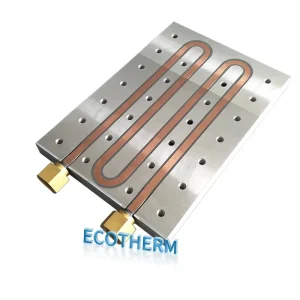
Liquid Cold Plate Heat Sink
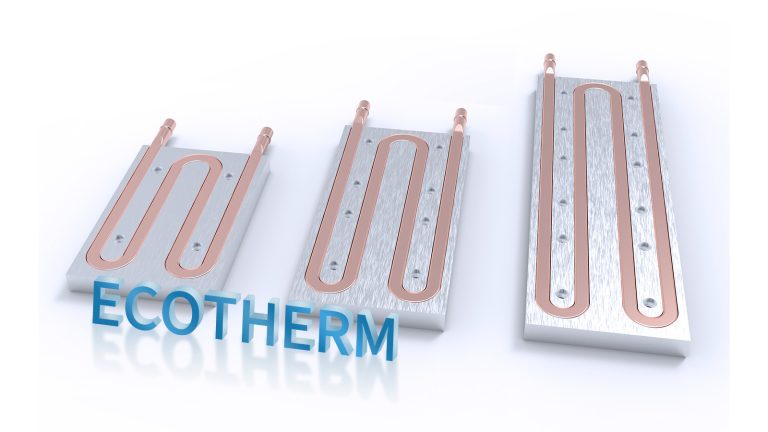
When electronics get very hot, you use a Liquid Cold Plate and Heat Sink to cool them down. This device combines a metal plate with fins and channels, designed to transfer heat from busy processors. The Liquid Cold Plate absorbs the heat and moves it into a cooling liquid, while the Heat Sink helps dissipate the heat efficiently. Pumps and heat exchangers circulate the liquid throughout the system, keeping your equipment safe. This setup works even when traditional air cooling is not enough.
Key Takeaways
Liquid Cold Plate Heat Sinks cool electronics better than air cooling. They take in heat fast and keep devices safe.
These heat sinks are needed for strong devices like electric vehicles and medical tools. They stop things from getting too hot and help parts last longer.
Picking the right material is important for good performance. Copper moves heat better, but aluminum costs less.
Cleaning and checking for leaks helps the cooling system work well. Doing this often makes it last longer.
Plan your cooling system to match what you need. Think about flow rates and channel shapes to spread heat out best.
How Liquid Cold Plate Heat Sinks Work
Structure and Key Components
A Liquid Cold Plate Heat Sink has several main parts. These parts work together to move heat away from electronics. Here is a table that lists the important parts and what they do:
Component | Function |
|---|---|
Cold Plate | Transfers heat from high-heat components to a circulating liquid coolant. |
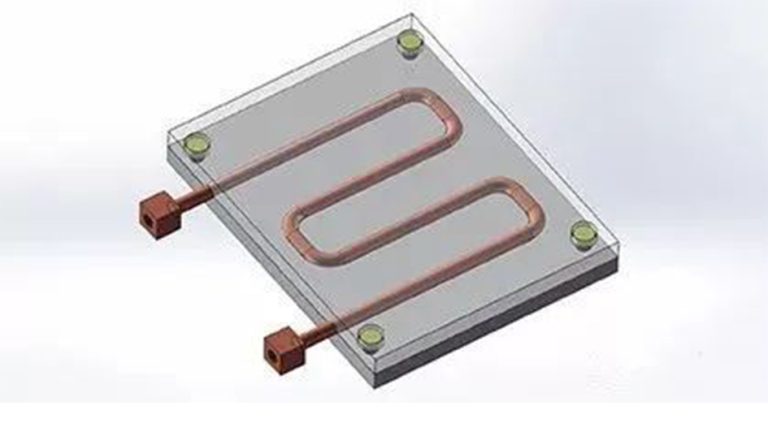
Internal Passages | Allow liquid to flow through the cold plate, facilitating heat transfer. |
Inlet and Outlet | Connect the cold plate to the external pump and cooling circuit for continuous circulation. |
The cold plate sits right on top of the hot device. Inside the plate, there are channels for the cooling liquid to flow. The inlet and outlet connect the plate to the rest of the cooling system. Most plates are made from aluminum or copper. Aluminum is light and does not rust easily. Copper spreads heat better and cools things faster.
Cooling Principle
A Liquid Cold Plate Heat Sink uses a special way to cool things. The system pushes liquid coolant through the channels inside the cold plate. The coolant touches a lot of the plate’s surface. This helps the liquid pick up heat quickly from the device. The hot liquid then leaves the plate and goes to another part of the system to cool off.
Let’s look at how this compares to a regular air-cooled heat sink:
Heat Sink Type | Cooling Mechanism |
|---|---|
Liquid Cold Plate Heat Sink | Utilizes a liquid coolant for conduction |
Traditional Air-Cooled Heat Sink | Relies on air for convection |
A Liquid Cold Plate Heat Sink moves heat into the liquid by conduction. Air-cooled heat sinks use air to carry heat away. Liquid cooling can move heat much better than air cooling. This makes liquid cold plates good for powerful devices or small spaces where air cannot move well.
Tip: If you need to cool a strong computer or battery pack, use a Liquid Cold Plate Heat Sink for better results.
System Integration
A Liquid Cold Plate Heat Sink is part of a bigger cooling system. The system has a few important parts:
The cold plate, which sits on the hot device.
A pump, which moves the coolant through the system.
Heat exchangers, which help remove heat from the liquid before it returns to the cold plate.
The pump keeps the liquid moving in a loop. This system needs power to run the pump. You also need to think about space and weight when adding these parts. Sometimes, it is hard to fit the cold plate in a small space or make sure it touches the device well. You should plan for easy maintenance and check for leaks or blockages.
When you use a Liquid Cold Plate Heat Sink, your electronics stay cool and safe. This system helps your devices work well, even when they are working hard.
Advantages of Liquid Cold Plate Heat Sink
Superior Heat Dissipation
When electronics work hard, they get hot fast. A Liquid Cold Plate Heat Sink cools them better than air cooling. The liquid inside the cold plate takes in heat quickly. It moves the heat away from the device. This keeps your electronics cooler. You can see how cooling methods compare in this table:
Cooling Method | Average Heat Source Temperature | Pressure Drop Comparison |
|---|---|---|
Topology Optimization I | 6% lower than other channels | 9% lower than parallel flow |
Topology Optimization II | 4% lower than other channels | N/A |
Cooler electronics are safer and work better. You also get good cooling with less pressure drop. This means your system does not have to use as much energy.
Localized Cooling for High-Power Devices
Sometimes, only certain parts of a device get very hot. Liquid cold plates move heat right from these hot spots into the liquid coolant. The coolant then goes to a heat exchanger far away. The heat exchanger takes the heat out of the system. This way works best for powerful or crowded devices where air cooling is not enough.
Note: Cold plates have mini-channel fin structures to help move heat. This gives you low pressure drop and even temperature across the cold plate.
Keeping the temperature steady stops damage from heat. The table shows how different cooling methods lower temperature and protect electronics:
Cooling Method | Temperature Reduction | Variability | Time to Stabilization | Tissue Safety |
|---|---|---|---|---|
Ice Packs | ~32 °C | ~3 °C | 3 minutes | Moderate |
Cryogenic Sprays | Severe Cooling | N/A | N/A | Requires Insulation |
Thermoelectric Cooling | ~8 °C | ~1 °C | <3 minutes | High |
Reliability and Performance
You want your electronics to last and work well. Good cold plates help control heat. They keep parts at safe temperatures. This stops devices from breaking. Using a Liquid Cold Plate Heat Sink saves energy and helps devices last longer. Cooler parts mean fewer problems and better performance.
Liquid cold plates keep your system working well.
They help stop overheating and expensive fixes.
Your electronics last longer and work better.
Applications of Liquid Cold Plate Heat Sinks
Power Electronics and Semiconductors
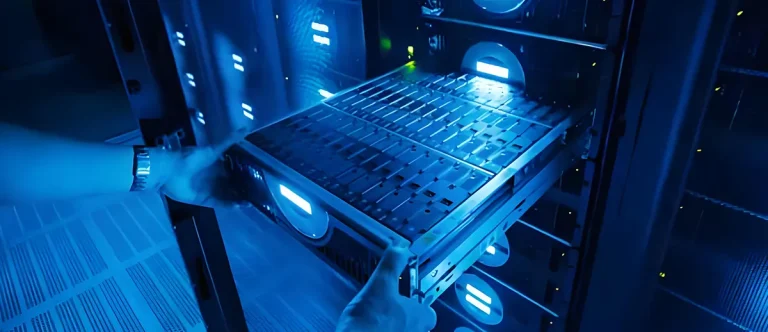
Liquid Cold Plate Heat Sinks are used in powerful electronics. These devices get very hot, and air cooling is not enough. Using a cold plate helps keep these parts safe and working well. Here is a table that lists devices that use this cooling method:
Device Type | Description |
|---|---|
IGBT Modules | Used for high-power applications where air cooling is insufficient. |
High-Powered Semiconductors | Essential for effective heat dissipation in high-performance scenarios. |
Lasers | Require precise cooling to maintain operational efficiency. |
Wind Turbines | Utilize liquid cooling for reliable performance under varying conditions. |
Motor Devices | Benefit from localized cooling to enhance performance and longevity. |
Automotive Components | Use liquid cooling to manage heat in high-performance automotive systems. |
Medical Equipment | Depend on effective cooling solutions for sensitive electronic components. |
You get better results in places with lots of heat. Liquid cold plates work in lasers, power plants, and military electronics. They help control heat when other cooling methods do not work.
Electric Vehicles and Batteries
Electric cars need strong cooling systems. Their batteries get hot when charging or driving. A Liquid Cold Plate Heat Sink moves heat away from the battery. The coolant flows through the plate and absorbs heat. This keeps the battery at a safe temperature. It helps stop overheating and keeps your car safe.
Benefit | Description |
|---|---|
Improved Thermal Management | Liquid cold plates help manage heat, keeping battery temperatures within safe limits. |
Enhanced Safety | By controlling heat, they reduce the risk of thermal runaway, ensuring safe vehicle operation. |
Longer Battery Life | Maintaining proper battery temperature prevents damage and extends the lifespan of battery cells. |
Better Performance | Efficient heat dissipation during charging allows for higher current rates without overheating. |
You get faster charging and longer battery life. The cold plate keeps all battery cells at the right temperature. Your car works better and lasts longer.
Medical and Industrial Equipment
Many medical and industrial machines need good cooling. You find cold plates in MRI machines, CT scanners, and laser therapy devices. These machines have sensitive parts that must stay cool. Here is a table of equipment that uses liquid cooling:
Application | Liquid Cooling Role |
|---|---|
MRI Systems | Cools magnets, gradient amplifiers |
CT Scanners | Stabilizes electronics, cooling x-ray tube |
Laser Therapy | Controls diode laser temperature |
Diagnostic Instruments | Maintains thermal accuracy in analyzers |
PCR Machines | Enables rapid and repeatable thermal cycling |
Cold plates help keep machines working well and safely. They are used in high-power lasers, edge AI servers, and telecom hardware. This cooling makes sure your equipment lasts a long time.
Design and Selection Considerations
Material and Thermal Conductivity
When picking a Liquid Cold Plate Heat Sink, you must think about the material. The material helps move heat away from your device. Copper and aluminum are used a lot. Copper moves heat really well. That is why it is in strong computers and power electronics. Aluminum is lighter and costs less money. It is used in cars and planes. Each material has good and bad points. You can look at this table to compare them:
Material | Thermal Conductivity | Advantages | Applications |
|---|---|---|---|
Copper | Superior | Exceptional heat transfer efficiency | High-performance computing, power electronics |
Aluminum | Moderate | Lightweight and cost-effective | Aerospace, automotive industries |
You should also think about other things before you choose. Here is a list of what matters most: – How well it cools – If it fits your budget – If it lasts in tough places – If it is light for easy setup – If you can change the design for your needs
Tip: Aluminum is good if you want to save money, but copper cools things faster.
Flow Rate and Channel Design
How the liquid moves in the cold plate changes how well it cools. You need to pick the right flow rate. Most plates work best with 1 to 5 liters each minute. If you use more modules, you can add more loops to move more liquid. The shape of the channels inside the plate is important too. Wavy or zigzag channels help move heat better, but they can make the liquid harder to push through. Studies show that adding more channels helps, but after five, you do not get much more cooling. Here is a table with key things to think about:
Parameter | Description |
|---|---|
Pump head | Drives liquid movement |
Channel geometry | Changes resistance and turbulence |
Coolant viscosity | Impacts flow resistance |
Connection fittings | Restrict flow at inlets and outlets |
System layout | Longer paths increase pressure loss |
Note: Streamline-shaped and butterfly channels cool better and keep the temperature even.
Compatibility and Maintenance
You need to make sure your new cold plate works with your old system. Adding a Liquid Cold Plate Heat Sink to old setups can be hard. It might cost more and take more time. Try to make small changes when you upgrade server rooms or other places.
To keep your system working well, you should do good maintenance: – Clean the system often to get rid of dust and water – Use brackets to stop leaks – Put parts in the right place to stop hot spots – Check the system often and make a schedule for maintenance
Best Practice | Description |
|---|---|
Regular cleaning | Removes dust and moisture for better cooling |
Retention brackets | Prevent leaks and keep steady contact |
Even component placement | Stops hot spots and balances cooling |
Scheduled inspections | Extends system life and prevents problems |
Tip: Taking care of your cold plate helps it last longer and keeps your electronics safe.
You use a Liquid Cold Plate Heat Sink to keep electronics cool. The table below explains how it works and why it is useful:
Key Point | Description |
|---|---|
Definition | Moves heat away from strong parts quickly. |
Operation | Uses liquid to cool by conduction and convection. |
Benefits | Makes devices last longer, saves power, and keeps them small. |
Hard jobs need better cooling systems. Microchannels and nanofluids help move heat faster, even in space shuttles.
Change your cooling system to fit what you need.
Choose the best fluid and surface finish for your system.
Talk to experts if you need help with design or setup.
Tip: Planning well helps your electronics stay safe and work longer.
FAQ
You use a liquid cold plate heat sink to cool electronics. The plate moves heat into a liquid, which carries it away. This keeps your devices safe and working well.
You clean the system often. You check for leaks and make sure all parts fit tightly. Regular inspections help your cooling system last longer.
You find these heat sinks in electric cars, medical machines, and powerful computers. They work best when air cooling cannot keep things cool enough.
You often use water or special coolants. Water cools well and costs less. Special coolants protect against rust and freezing.
You can install one if you follow the instructions. You need to connect the plate, pump, and tubes. Ask an expert if you feel unsure.