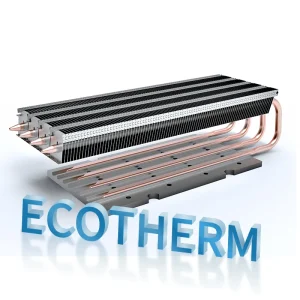
CUSTOM HEAT SINK, PERFECTED FOR YOU.

What is an aluminum heat sink enclosure and how does it work

Starting a custom Heatsink?

Send us your project to receive free project evaluation suggestions!

Advanced Custom Heat Sink Manufacturing: The Engineering Guide to Aluminum Enclosures

In high-power industrial electronics, protecting sensitive components from harsh external environments while managing massive thermal loads is a critical engineering challenge. An aluminum heat sink enclosure is not just a protective metal box; it functions as a highly integrated, passive thermal management system.

For engineers developing telecom infrastructure, edge computing, or automation controls, understanding the manufacturing parameters behind these enclosures is essential for system reliability.

An aluminum heat sink enclosure keeps electronic devices safe. It pulls heat away from important parts. This enclosure uses passive thermal management. It cools devices without any moving parts. Too much heat can break electronic parts. If the temperature goes up by 10°C, the device may last half as long. Good thermal management helps devices work better and last longer. Here is a table that shows different cooling techniques and how they compare:

Cooling Technique

Benefits

Considerations

Free Convection Cooling

Easy and cheap for devices that do not use much power.

Does not work well if there is a lot of heat.

Forced Air Cooling

Removes heat better and works for many devices.

Needs extra parts like fans.

Liquid Cooling

Can cool devices that make a lot of heat.

Harder to use and costs more money.

Key Takeaways

  • An aluminum heat sink enclosure helps cool electronics. It pulls heat away from devices. This makes devices last longer. It also helps them work better.

  • The enclosure has special parts like fins and holes. These parts help get rid of heat faster. Heat moves away by conduction, convection, and radiation.

  • Aluminum is used because it moves heat well. It is light and not heavy. It also costs less than other materials.

  • These enclosures keep electronics safe from dust and water. They also protect from bumps and damage. This helps electronics work well in many places.

  • You can get custom sizes and features. This lets you pick what fits your project best.

Aluminum Heat Sink Enclosure Basics
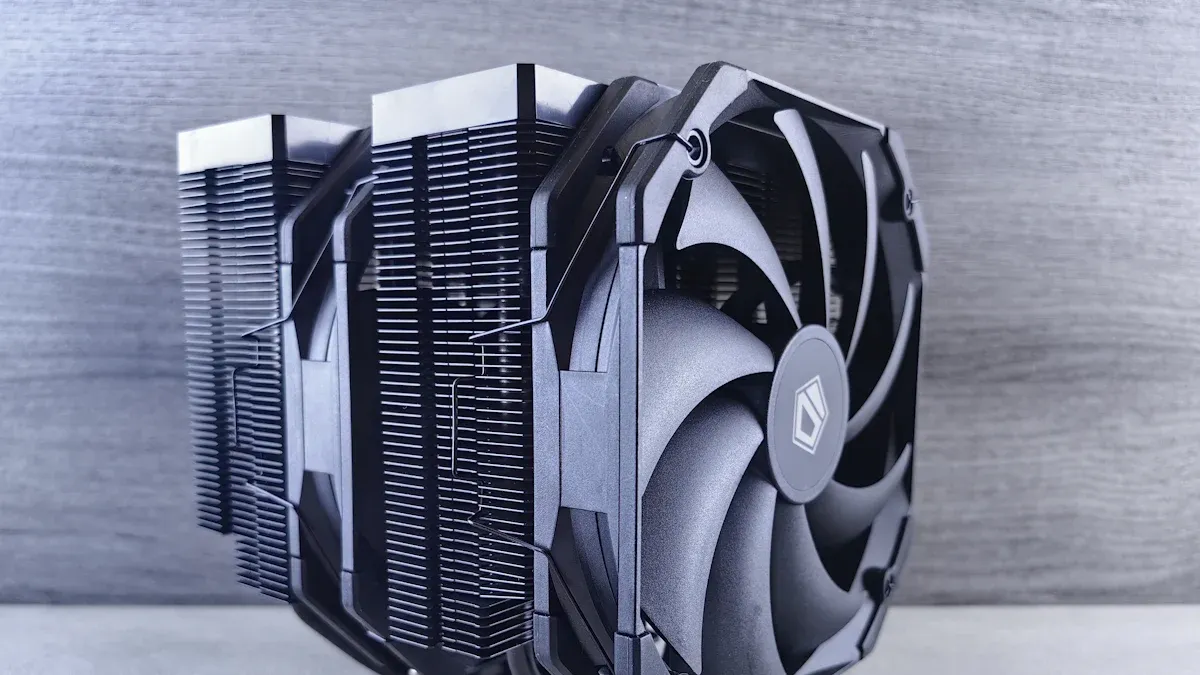
Aluminum Heat Sink Enclosure Basics
Image Source: pexels

Definition and Main Features

An aluminum heat sink enclosure is a special box. It keeps electronics safe and cool. The enclosure uses aluminum that moves heat away fast. This helps protect sensitive parts inside. The design often has a flat back with holes. These holes help heat leave the box. They also make it easy to mount the enclosure. Many enclosures have a black anodized finish. This finish stops rust and looks nice.

Here is a table that shows the main features you will find in a typical aluminum heat sink enclosure:

Feature

Description

High thermal conductivity aluminum

Moves heat away from electronics quickly.

Flat-back design with drilled holes

Improves heat transfer and allows for easy mounting.

Durable black anodized finish

Protects against rust and looks professional.

Strong extrusion capability

Makes complex shapes with tight tolerances possible.

Lightweight yet sturdy enclosure

Keeps devices safe without adding much weight.

OEM customization support

Lets you choose sizes, holes, and packaging to fit your needs.

Reliable packaging solutions

Keeps your enclosure safe during shipping.

Wide industrial applicability

Works in electronics, automotive, and even military settings.

Tip: You can ask for custom sizes or extra holes if your project needs something special.

Role in Electronics Protection

An aluminum heat sink enclosure does more than cool devices. It acts like a shield for electronics. The enclosure blocks bumps and shakes. It also keeps out dust and liquids. This helps parts stay clean and dry. Many enclosures block electromagnetic interference (EMI). This helps devices work without signal problems. Some models have an IP68 rating. This means they keep out dust and water in tough places.

You can trust these enclosures to keep electronics safe. Industry standards focus on heat and reliability. Designers pick aluminum for its strength and light weight. It also manages heat well. If you need more strength, choose thicker walls or support ribs. These help the enclosure handle vibration and stress.

How Aluminum Heat Sink Enclosures Work
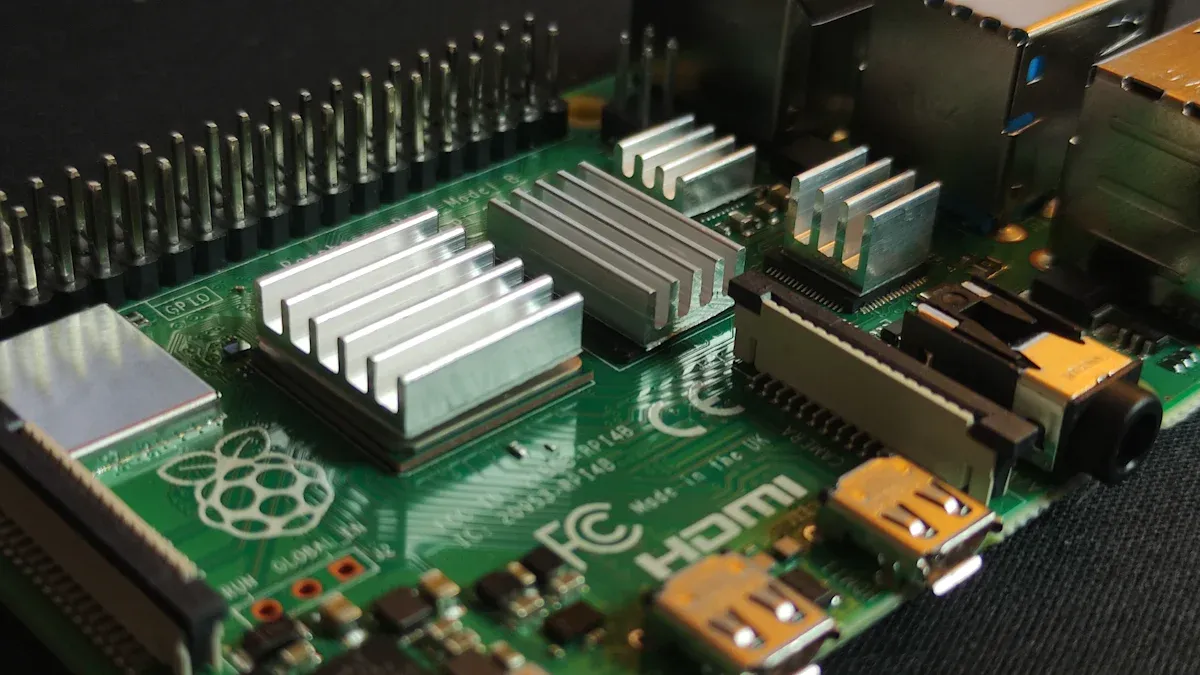
How Aluminum Heat Sink Enclosures Work
Image Source: pexels

Heat Dissipation Process

Electronics need to stay cool to work well. An aluminum heat sink enclosure helps by moving heat away. It uses different ways to get rid of heat:

  1. Conduction: Heat goes from hot parts to the cooler enclosure walls. Aluminum is good at letting heat move fast.

  2. Convection: Heat leaves the enclosure and goes into the air. If air moves, it takes heat away quicker. Fans or wind can help this happen.

  3. Radiation: The enclosure sends out heat as invisible energy. A black surface helps this work better.

Note: The shape of the enclosure matters a lot. Fins and bigger surfaces help it lose heat faster. If you see lots of thin fins, the enclosure can cool things better.

Here is a table that explains each way:

Mechanism

Description

Conduction

Heat moves from inside parts to the wall by touching.

Convection

Heat leaves as air moves past and carries it away.

Radiation

The enclosure gives off heat as energy, especially with a dark surface.

Design

Fins and special shapes make more surface area and help all three ways work better.

The aluminum heat sink enclosure uses its material and shape to stop electronics from getting too hot.
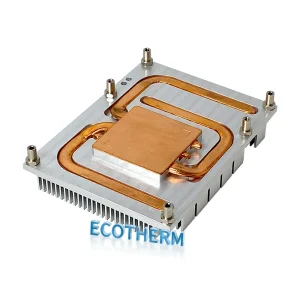
Starting a custom Heatsink?

Send us your project to receive free project evaluation suggestions!

Extrusion and Anodizing Techniques

Making an aluminum heat sink enclosure takes special steps. The first step is called extrusion. Workers heat aluminum billets until they are soft. They push the soft aluminum through a shaped die. The die makes the final shape, with fins or holes. After that, the aluminum cools down fast with water or air. Workers cut the enclosure to the right size and make sure it is straight and strong.

Here is a table that shows the main steps:

Step

Detail

Heating Aluminum Billets

Aluminum is heated until it gets soft.

Die Design

The die shapes the aluminum into the right profile.

Cooling Process

The new shape cools quickly with water or air.

Secondary Operations

Workers cut, straighten, and harden the enclosure.

After extrusion, the enclosure gets a surface treatment called anodizing. This adds a thin layer of aluminum oxide. Anodizing helps stop rust and scratches. It also helps the enclosure give off heat better, especially if it is black. Some treatments add tiny bumps or pores to the surface. These make more area for heat to leave.

  • Anodizing helps the enclosure last longer by stopping rust.

  • Black anodized surfaces send out heat well.

  • Special treatments can make the surface even better at moving heat.

Tip: For the best cooling, pick an enclosure with a black anodized finish and lots of fins.

An aluminum heat sink enclosure made this way will keep your electronics safe and cool for a long time.

Extrusion and Anodizing Techniques

Making an aluminum heat sink enclosure takes special steps. The first step is called extrusion. Workers heat aluminum billets until they are soft. They push the soft aluminum through a shaped die. The die makes the final shape, with fins or holes. After that, the aluminum cools down fast with water or air. Workers cut the enclosure to the right size and make sure it is straight and strong.

Here is a table that shows the main steps:

Step

Detail

Heating Aluminum Billets

Aluminum is heated until it gets soft.

Die Design

The die shapes the aluminum into the right profile.

Cooling Process

The new shape cools quickly with water or air.

Secondary Operations

Workers cut, straighten, and harden the enclosure.

After extrusion, the enclosure gets a surface treatment called anodizing. This adds a thin layer of aluminum oxide. Anodizing helps stop rust and scratches. It also helps the enclosure give off heat better, especially if it is black. Some treatments add tiny bumps or pores to the surface. These make more area for heat to leave.

  • Anodizing helps the enclosure last longer by stopping rust.

  • Black anodized surfaces send out heat well.

  • Special treatments can make the surface even better at moving heat.

Tip: For the best cooling, pick an enclosure with a black anodized finish and lots of fins.

An aluminum heat sink enclosure made this way will keep your electronics safe and cool for a long time.

Durability and Cost Benefits

You want your enclosure to last a long time. Aluminum does not rust easily and stays strong in tough places. It works well even when it is humid, but you should keep electronics dry and clean to stop corrosion.

Keeping the right temperature and humidity is important for aluminum heat sink enclosures. High humidity can cause water to form, which makes corrosion happen faster. Corrosion can start when humidity is between 60% and 90%, depending on how clean the electronics are and how they are made.

Aluminum costs less than copper and is easier to shape. Because it is light, you save money on shipping. Here is a table that shows how aluminum and copper compare:

Material

Cost

Thermal Conductivity

Weight

Manufacturability

Aluminum

Low

Good (160-220 W/m·K)

Light

Excellent

Copper

High

Superior

Heavy

Moderate

  • Aluminum is used most for heat sinks because it is cheap and works well.

  • It gives good cooling, is light, and does not cost much, so it is the top choice.

Aluminum lets you make many enclosures fast. You get a light and strong solution for lots of projects.

Comparison with Other Materials

You might wonder how aluminum compares to plastic or steel. Aluminum cools better than both plastic and steel. It is also strong and light. Here is a quick look:

  • Aluminum: Moves heat well (~200 W/m·K), works for both passive and active cooling, is light, and does not rust.

  • Plastic: Does not move heat well (<1 W/m·K), can get too hot, and may get weak over time.

  • Aluminum heat sink enclosures are light and strong compared to other materials.

  • Aluminum alloys like 6061 are extra strong and last a long time.

If you look at the total cost over time, aluminum saves you money. Here is a table:

Material

Upfront Cost

Durability

Thermal Performance

Lifecycle Cost

Aluminum

Higher

High

Excellent

Lower over time

PVC/Plastic

Lower

Moderate

Moderate

Higher over time

  • Aluminum is light, so shipping costs less.

  • It moves heat well, which helps keep things cool.

  • Aluminum lasts longer than other materials, so you save money in the long run.

You get the best mix of cooling, strength, and savings when you pick an aluminum heat sink enclosure.

Starting a custom Heatsink?

Send us your project to receive free project evaluation suggestions!

Benefits and Applications

Performance and Reliability

You want your electronics to last and work well. An aluminum heat sink enclosure helps with both. It keeps devices cool, so they do not overheat. This means your electronics can run at full power. The inside parts are also safer from damage. This helps them last longer.

Here are some ways these enclosures help:

  • They stop devices from slowing down when hot.

  • They keep parts at safe temperatures for longer life.

  • They prevent sudden shutdowns from too much heat.

  • They protect against bumps, dust, and water.

You can see how design features help in this table:

Feature

Description

Stamped/Extruded Body

Fits many device sizes and shapes.

Clip-On Heat Sinks

Easy to attach, no screws needed.

Bent/Twisted Fins

Move heat away faster in still or moving air.

Anodized Surface

Helps cooling, especially with natural airflow.

Tip: Pick an enclosure with bent fins and a black finish for the best cooling.

Common Use Cases

You can find aluminum heat sink enclosures in many places. They cool and protect electronics in homes, cars, and factories. Here are some common uses:

  • Power supplies and amplifiers in audio equipment

  • Control boxes in machines at factories

  • Computer parts like CPUs and graphics cards

  • Communication devices and routers

These enclosures also help in machines. They move heat away from motors and other parts. Their strong build lets them handle tough jobs and last a long time.

Choosing this type of enclosure helps the environment too. Aluminum can be recycled, which saves energy and cuts waste. Many enclosures meet safety rules like RoHS and WEEE, so they are safe for people and the planet.

Note: Using recycled aluminum lowers greenhouse gases and helps keep the world clean.

An aluminum heat sink enclosure is a smart, safe, and green way to protect your electronics.

You can trust an aluminum heat sink enclosure to keep electronics cool and safe. This type of enclosure has many good points:

Advantage

Description

Excellent thermal conductivity

It moves heat away fast, so devices work well.

Lightweight and strong

It is easy to use in many devices and does not weigh much.

High processability

It can be made into many shapes and is easy to produce.

Good corrosion resistance

It stays strong even when used in rough places.

Cost-effective

It saves money but still works great.

You can see these enclosures in lots of things, like home electronics and car parts. They move heat quickly, stay steady, and work in many ways, so they are a smart pick for today’s technology.

FAQ

What is the main purpose of an aluminum heat sink enclosure?

An aluminum heat sink enclosure helps keep electronics cool. It pulls heat away from the parts inside. It also protects them from dust, water, and getting bumped.

Can you paint or customize the enclosure?

You can paint or change your enclosure if you want. Many companies let you pick colors, finishes, and sizes. You can also ask for more holes or special shapes.

How do you install an aluminum heat sink enclosure?

To install it, put your device inside the enclosure. Use screws or clips to hold it in place. Make sure the parts touch the enclosure so heat moves out better.

Does the enclosure need maintenance?

Check your enclosure for dust or dirt sometimes. Wipe it with a dry cloth to clean it. If you find damage, get a new one to keep your electronics safe.

Starting a custom Heatsink?

Send us your project to receive free project evaluation suggestions!

Latest Blog

From Concept to Mass Production – Your Professional Heat Dissipation Solution Partner

Scroll to Top

contact Ecotherm

We are available to assist you via email. Please don’t hesitate to get in touch, and we will respond to your inquiry as soon as possible.


Email:  support@ecothermgroup.com

Follow us on YouTube | TikTok | LinkedIn
Stay connected with us for updates, news, and more!


Please fill out the form below, and we will get back to you as soon as possible.

support@ecothermgroup.com

Contact Ecotherm

Please upload your design or requirements, and our experts will provide a precise cooling solution tailored to your needs.