Custom Skived Heat Sinks: Solutions for High-Power Device Cooling
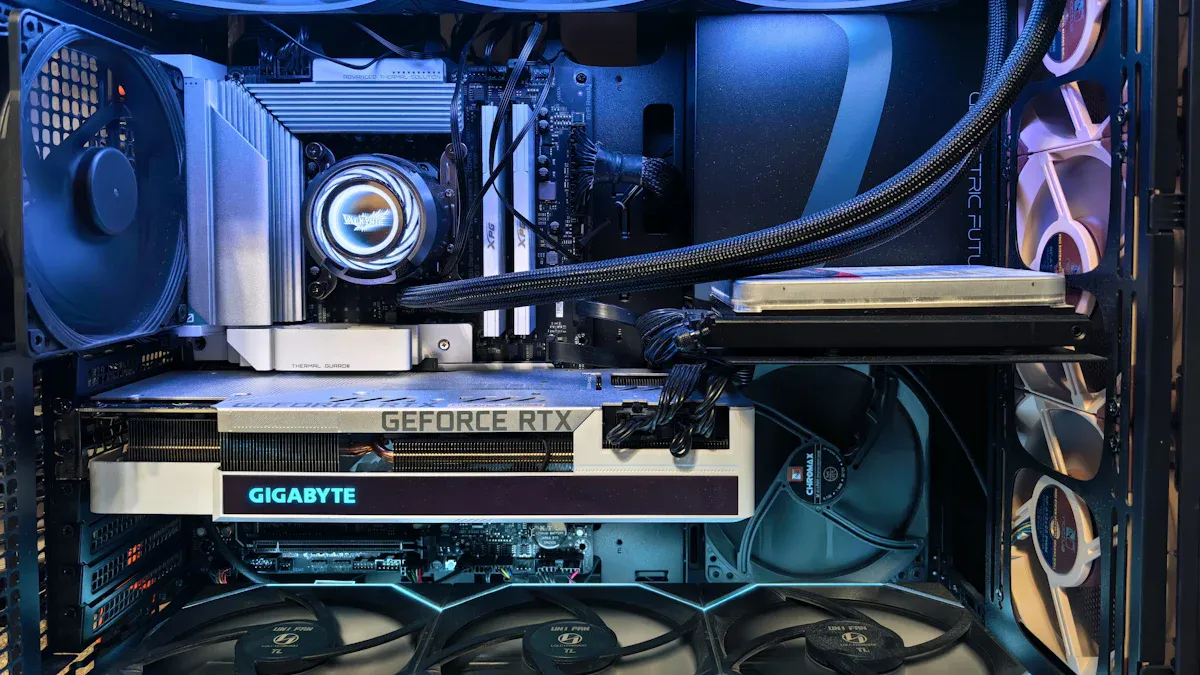
Custom skived heat sinks help control heat in strong devices. Today’s electronics make more heat than before. If you do not control heat, big problems can happen:
- CPUs and GPUs slow down to stop damage.
- Heat can break parts and cause errors in circuits.
- Devices may stop working if parts get too hot.
If the temperature goes up by 10 degrees Celsius, failures can double. This means more downtime and higher costs for you. Skived Heat Sinks spread heat better and let you pick designs that fit your needs. You can count on these to keep your equipment working well. We can help you change your radiator and give a free check—just send us your drawings.
Key Takeaways
- Custom skived heat sinks help control heat in strong devices. They stop devices from getting too hot and breaking down. The skiving process makes thin fins that are close together. These fins help get rid of heat faster and cool better. The heat sink is made from one piece. This means heat moves quickly from the device to the fins. You can change the fin height, thickness, and spacing. This helps the heat sink fit your device just right. Skived heat sinks do not cost a lot to make. They also have fewer problems than old designs. These heat sinks are strong and last a long time. They work well even in tough places and keep cooling steady. Skived heat sinks work great in many things. They are used in servers, energy inverters, electric cars, and factory machines. If you tell the maker what you need, they can make the best cooling for you.
What Are Skived Heat Sinks?
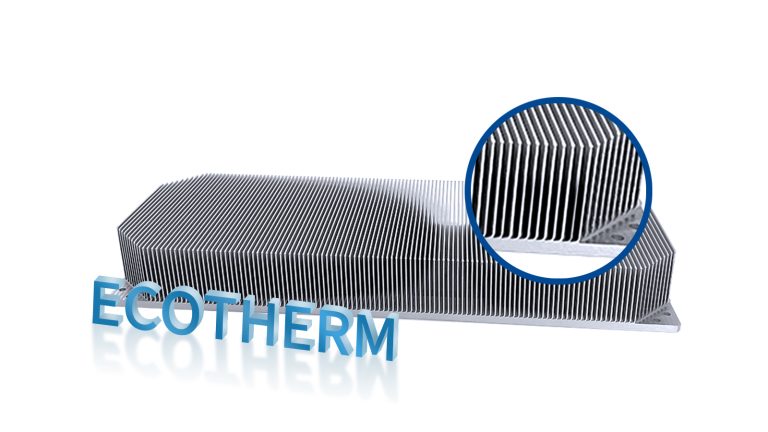
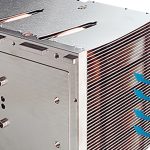
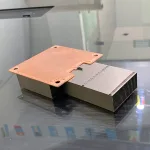
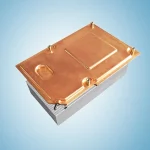
Skived Heat Sinks are a great way to cool powerful electronics. They are made by cutting thin fins from a solid metal block. This makes one smooth piece that moves heat away fast. The skiving process lets you make very thin fins that are close together. This gives more space for heat to leave. Because of this, you get better cooling than with many old designs.
Skiving Process Overview
A special tool cuts fins from a copper or aluminum block. You can see how this is different from other ways in the table below:
| Feature | Skived Heat Sink | Extruded Heat Sink |
|---|---|---|
| Manufacturing Process | Shaving thin slices from a solid block of material | Forcing material through a die |
| Fin Design | Very thin and closely spaced fins | Thicker fins |
| Thermal Performance | Enhanced heat dissipation due to increased surface area | Different thermal performance due to thicker fins |
Here are the steps to make a skived heat sink:
- Material Selection: Pick copper or aluminum for good heat movement.
- Preparation: Hold the metal block in the skiving machine.
- Slicing: Sharp blades cut thin layers to make the fins.
- Formation: Shape the fins to the right height and smooth the surface.
The skiving process makes sure the fins are the right size and smooth. This helps the heat sink fit well and work every time.
Single-Piece Construction
You get a heat sink made from one piece. The fins and base are not separate. This design removes extra barriers for heat to move. You get better heat transfer and a stronger product.
Material Options: Copper & Aluminum
You can pick copper or aluminum. Copper moves heat away the fastest. Aluminum is lighter and costs less. Both work well, so you can choose what fits your needs.
Customization Capabilities
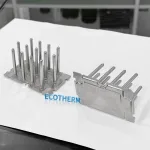
You can change skived heat sinks to fit your needs. The skiving process lets you pick fin height, thickness, and spacing. This helps you get the best cooling for your device.
Fin Geometry & Density
You can change the shape and number of fins. The table below shows some choices:
| Customization Option | Details |
|---|---|
| Fin height | Up to 50 mm |
| Fin spacing | Down to 0.2 mm |
| Base thickness | From 2 mm upward |
| Anodizing colors | Black, silver, blue |
You can also change how thick the fins are and how far apart they are. This helps you balance heat movement and airflow.
Application-Specific Design
You can work with makers to design a heat sink that fits your device. Change the fin shape, material, and base thickness for your needs. You can also pick special coatings for more strength. Skived heat sinks work for small or medium batches, so you have options as your needs change.
Tip: Share your device’s needs and drawings with your supplier. This helps them make a custom solution for you.
We can help you change your radiator and give a free check. Please send us your drawings to start.
How Skived Heat Sinks Work
Thermal Management Principles
Heat Dissipation & Airflow
You need to move heat away from your device quickly. Skived Heat Sinks do this by creating many thin fins from a single block of metal. These fins give you a large surface area. More surface area means more heat can leave your device. Air flows between the fins and carries the heat away. This process keeps your device cool and working well.
You can see the main parts of heat movement in the table below:
| Thermal Resistance Component | Description |
|---|---|
| R_TIM | Heat moves from your device to the heat sink base. The material and thickness of the thermal interface matter here. |
| R-base-fin | Heat moves from the base to the fins. If the fins are part of the base, heat moves faster. |
| R-fin-air | Heat leaves the fins and goes into the air. Air speed helps this step. |
| R_air-rise | Air gets warmer as it passes through the heat sink. More airflow keeps things cooler. |
Skived Heat Sinks stand out because they have:
- A larger surface area for heat to escape.
- Better airflow between closely spaced fins.
- High fin density, which boosts cooling power.
Eliminating Thermal Resistance
You want heat to move with as little resistance as possible. Skived Heat Sinks use a single-piece design. There are no joints or glue between the base and fins. This means heat travels directly from your device, through the base, and out the fins. You do not lose energy at any connection points. This design gives you better performance than traditional heat sinks.
Performance in High-Power Devices
Handling High Heat Flux
High-power devices make a lot of heat in a small space. Skived Heat Sinks handle this by using thin fins and tight spacing. The manufacturing process slices layers from a metal block. This creates continuous paths for heat to travel. You can get fins as thin as 0.25 mm and as tall as 70 mm. These features help your device stay cool, even when it works hard.
Reliability Over Time
You need a heat sink that lasts. Skived Heat Sinks use a single piece of metal. There are no adhesives or bolts that can fail. This design resists stress from vibration and temperature changes. You get steady cooling for years. The seamless construction keeps your device safe and reliable, even in tough conditions.
If you want a custom radiator for your device, we can help. We offer a free assessment. Please send us your drawings to get started.
Advantages of Custom Skived Heat Sinks
Superior Thermal Performance
You want your devices to stay cool and work well. Skived Heat Sinks move heat away from your electronics quickly. The single-piece design lets heat travel straight from the base to the fins. You get more surface area for heat to escape. Thin, closely spaced fins help air flow and carry heat away. This means your device can run at high power without overheating. You protect your equipment and keep it working longer.
Design Flexibility
You need a heat sink that fits your device perfectly. Skived Heat Sinks give you many options for design. You can choose the height, thickness, and spacing of the fins. You can also pick the material and shape to match your needs. This flexibility helps you get the best cooling for your application.
The table below shows how skived heat sinks compare to other types:
| Heat Sink Type | Design Flexibility | Fin Density | Performance |
|---|---|---|---|
| Skived | High | High | Medium to High |
| Stamped/Forged | Limited | Low | Variable |
You see that skived heat sinks offer high design flexibility and fin density. You can create custom shapes and sizes for special projects. This helps you solve cooling problems in tight spaces or with unique airflow patterns.
Tip: Share your device’s requirements with your supplier. Custom designs help you reach the best thermal performance.
Cost-Effectiveness
You want a solution that saves money and works well. Skived Heat Sinks use a process that does not need expensive molds or dies. You can produce small or medium batches without high setup costs. The single-piece construction reduces the risk of failure, so you spend less on repairs and replacements. You get strong performance and good value for your investment.
We can help you customize your radiator and offer a free assessment. Please send us your drawings to get started.
Robustness & Reliability
You want a heat sink that works in tough places. Skived heat sinks are strong and last long. Special machines cut thin fins from one metal block. This makes a solid piece with no weak spots. You do not need to worry about parts breaking.
Each fin connects right to the base. This helps the heat sink handle shaking and big temperature changes. In factories, machines run for many hours. They face hard conditions every day. Skived heat sinks keep working when others might stop.
Makers test each heat sink with real machines. They check how well it cools and use pressure tests. This makes sure the heat sink is safe and works well. You can trust your custom skived heat sink to work year after year.
Skived heat sinks fit into small spaces. The process lets you add more fins and make them closer together. You get better cooling without making the heat sink bigger. Your device stays safe, even in tight or busy places.
Note: Picking a skived heat sink means your equipment will last longer. You lower the chance of breakdowns and expensive fixes.
We can help you change your radiator and give a free check. Please send us your drawings to start.
Skived Heat Sinks vs. Other Solutions
Extruded vs. Skived
You might ask how extruded heat sinks are different from skived heat sinks. Extruded heat sinks are made by pushing hot metal through a shaped mold. This makes fins that are thick and all the same shape. Skived heat sinks are made by shaving thin fins from a solid block. This gives you more surface area for cooling.
Here is a table that shows the main differences:
| Feature | Skived Heat Sinks | Extruded Heat Sinks |
|---|---|---|
| Manufacturing Process | Precision machining from a solid block | Forcing heated metal through a shaped die |
| Thermal Performance | High thermal performance with intricate fins | Good thermal performance with standard fins |
| Customization | Highly customizable fin geometry | Limited customization |
| Applications | Electronics, LED lighting, automotive | Consumer electronics, power supplies |
Skived heat sinks let you pick more designs. They cool better than extruded heat sinks. You get a heat sink that fits your device and keeps it cool.
Bonded-Fin vs. Skived
Bonded-fin heat sinks use fins that are glued or soldered to a base. This can make thin fins, but heat has to move through extra layers. These joints can slow down cooling. Skived heat sinks use one solid piece of metal. Heat goes straight from the base to the fins. You get less resistance and better cooling.
If your device gets very hot, a single-piece design is a good choice. It works better and lasts longer.
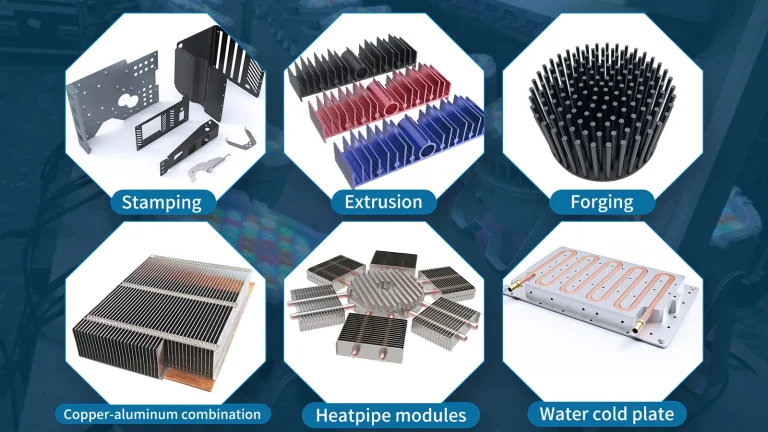
Stamped & Die-Cast Comparison
Stamped heat sinks are made by pressing metal with strong force. Die-cast heat sinks are made by pouring melted metal into molds. These ways are good for making lots of heat sinks at once. But they can cost more to set up.
Here is a table that compares the cost implications:
| Heat Sink Type | Manufacturing Process Description | Cost Implications |
|---|---|---|
| Skived | Uses a Skive Machine to shave fins from a thick plate of aluminum or copper. | Low NRE; single-piece material reduces thermal resistance. |
| Die-Cast | Forces liquid aluminum into reusable steel molds under high pressure. | Good for complex designs in high volume; higher initial costs for mold creation. |
| Stamped Fin | Applies extreme pressure to form fins, which are then bonded. | High tooling costs; low cost per piece; suitable for thin fins with limited thermal performance. |
Skived heat sinks cost less to set up. They also cool well and can be made in many shapes.
If you want a heat sink that fits your device and budget, look at all these choices. We can help you change your radiator and give a free check. Please send us your drawings to start.
High-Power Application Performance
You need a cooling solution that stands up to the demands of high-power devices. Skived heat sinks deliver outstanding results in these challenging environments. You see the difference when you compare them to other heat sink types.
- Skived heat sinks use a continuous connection between the fins and the base. This design reduces thermal resistance. Heat moves quickly from your device into the fins and then into the air.
- You get high thermal efficiency. Skived heat sinks work well in power electronics, LED lighting, and other high-power applications. They keep your equipment cool, even when it runs at full strength.
- Extruded heat sinks may cost less for moderate cooling needs. However, they do not match the thermal performance of skived heat sinks in high-power situations.
You want your devices to run at peak performance. Skived heat sinks help you reach this goal. They handle high heat loads without losing efficiency. You can trust them to protect your investment and extend the life of your equipment.
When you use skived heat sinks, you also gain flexibility. You can adjust the fin height, thickness, and spacing to match your airflow and space needs. This means you get a custom solution that fits your device perfectly.
Note: Skived heat sinks give you the edge in high-power applications. You get reliable cooling, better performance, and peace of mind.
We can help you customize your radiator and offer a free assessment. Please send us your drawings to get started.
Applications of Skived Heat Sinks
Servers & Data Centers
It is hard to keep servers and data centers cool. CPUs and GPUs get very hot. If you do not cool them, they slow down or stop. Skived Heat Sinks help your equipment stay fast. These heat sinks have lots of thin fins. Air moves between the fins and takes away heat quickly.
Here is a table that shows how these heat sinks help in data centers:
| Application Type | Heat Generation |
|---|---|
| Data Centers | CPUs and GPUs make a lot of heat, so you need good cooling. |
You also use these heat sinks in laptops and desktops. They cool the main chips and keep computers safe. In data centers, they help servers stay cool and last longer.
| Application Type | Description |
|---|---|
| Laptop and Desktop Cooling | Used to cool CPUs and GPUs in computers. |
| Data Center Cooling | Used to cool servers in big data centers. |
These heat sinks stop thermal throttling. CPUs and GPUs work at their best speed. You get more from your equipment.
| Application Type | Benefit |
|---|---|
| Data Centers | Good cooling stops thermal throttling and keeps CPUs and GPUs working well. |
Renewable Energy Inverters
Renewable energy inverters need strong cooling. These devices change power from solar panels or wind turbines. They get very hot. Skived Heat Sinks cool better than old designs. You get tall fins that are close together. This helps more heat leave the device.
- You can use a heat sink with tall fins to cool many hot spots.
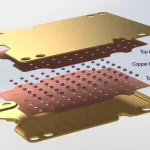
- Vapor chambers in the base spread heat and lower the highest temperature by about 6.6°C.
- Thermal resistance drops by about 16.6% in some cases.
These features help your inverter last longer and work better. Your system stays safe and efficient.
Electric Vehicles
Electric vehicles are everywhere now. These cars need special cooling for their electronics. Skived Heat Sinks help a lot here. They move heat away from parts like inverters and batteries. Good cooling keeps your car safe and helps it run well.
| Feature | Description |
|---|---|
| Thermal Conductivity | Can reach full efficiency of the profile. |
| Applications | Used in solar panels, electric cars, inverters, and more. |
You need small and strong cooling solutions. These heat sinks do the job. They help car electronics last longer and work better. As more electric cars are made, these heat sinks become even more important.
- Good cooling keeps your car safe.
- You need small, strong heat sinks for new car designs.
- These heat sinks are now a big part of electric car engineering.
You can trust these heat sinks to protect your car and keep it running well.
We can help you change your radiator and give a free check. Please send us your drawings to start.
Industrial Automation
Industrial automation has many problems. Machines work for long hours. They make a lot of heat. If you do not control heat, machines can slow down or stop. Skived heat sinks help fix these problems.
- Skived heat sinks fit in small spaces. Their design works well for high-power electronics in automation.
- The large surface area helps move heat away fast. This keeps your devices safe.
- Skived FPGA heatsinks cool automation systems. They help your machines work well, even when busy.
- High fin density and good conductivity make these heat sinks a top pick for industries with lots of heat and power.
You can trust skived heat sinks to keep your machines working. They fit in small control panels. They handle heat from motor drives, PLCs, and power modules. You get steady work and less downtime.
LED Lighting
LED lights need good cooling. LEDs have many chips in small spaces. This makes a lot of heat. If you do not remove heat, LEDs get dim and break early. Skived heat sinks help your LED lights last longer.
The high-power skived fin heat sink is important for moving heat away from LED chips. It helps keep lights bright and saves energy.
You get many good things when you use skived heat sinks for LED lights:
- More surface area helps cool better.
- Small size fits in tight places.
- You can change the size and shape for different lights.
- They are light and strong, so they last long.
You want your LEDs to stay bright and work for years. Skived heat sinks move heat away from chips. This keeps the temperature low and stops light loss. You see brighter lights and better energy use.
- Moves heat away from LED chips fast.
- Keeps the right temperature so lights do not get dim.
- Stops light loss and makes lights work better.
You can trust skived heat sinks for LED lights in offices, factories, and outside.
We can help you change your radiator and give a free check. Please send us your drawings to start.
Design & Sourcing Guide
Key Design Parameters
When you make a custom skived heat sink, you need to think about some important things. These choices decide how well your heat sink works and how long it will last.
Material Selection
You have to pick the right material for your device. Copper moves heat very fast, about 400 W/m-K. Aluminum is lighter and costs less money. Both materials work well, but you should choose what your device needs.
| Material | Thermal Conductivity | Weight | Cost |
|---|---|---|---|
| Copper | ~400 W/m-K | Heavier | Higher |
| Aluminum | ~205 W/m-K | Lighter | Lower |
Think about how much cooling you need, how heavy it can be, and how much you want to spend before you pick.
Fin Geometry & Airflow
The shape and size of the fins matter a lot for cooling. Skived heat sinks let you use thin fins that are close together. You can make fins from 0.25 mm to 2 mm thick. Tall fins with high aspect ratios (up to 50) help cool small spaces. You also need to think about how air moves—natural or forced airflow changes how you design the fins.
| Design Parameter | Description |
|---|---|
| Fin Density | High-density fins increase surface area |
| Aspect Ratio | Up to 50 for compact, efficient cooling |
| Airflow | Match fin spacing to airflow type |
Base Thickness & Dimensions
The base spreads heat to all the fins. It needs to be thick enough to move heat well, but not too thick or heavy. Always check how much space you have in your device. Small designs are best for tight spots.
Tip: Write down your device’s power, top temperature, and space before you start your design.
Working with Manufacturers
Importance of Drawings
You should give clear drawings and details to your manufacturer. This helps them know what you need and make the right heat sink. Include these things:
- Device power (watts) and size
- Highest case and room temperatures
- Air speed and which way it goes
- Space for the heat sink
- How you want to attach it (push pins, soldering, etc.)
- How you will use it and your budget
The more you tell them, the better your custom heat sink will fit your device.
Prototyping & Testing
Ask your manufacturer to make a prototype before making a lot. Testing lets you check if it fits, cools well, and lasts long. You can change things early and not waste money later.
Sourcing Tips
You need a good supplier for your custom skived heat sinks. Find a partner who helps you from start to finish. Check if they can make enough for you and ask about the smallest order for samples. Make sure they can add finishes like anodizing or powder coating. Always check if they have certifications like ISO 9001, RoHS, and REACH.
- Learn about how they make heat sinks and how long it takes
- Make sure they can make as many as you need
- Ask how they check quality and what tools they use
Note: A good supplier works with you like part of your team, not just a seller.
We can help you change your radiator and give a free check. Please send us your drawings to start.
You get better cooling and strong reliability with Skived Heat Sinks. These heat sinks have lots of fins packed close together. They are made from one solid piece of metal. This makes them different from other heat sinks. Look at the table below to see how they compare:
| Feature | Skived Heat Sink | Other Heat Sinks |
|---|---|---|
| Fin Density | Much higher | Lower |
| Thermal Resistance | Very low because of single-piece design | Higher |
| Performance in High-Power Applications | Works great for tough devices | Not as good |
- You get fast heat movement and up to 30% better cooling.
- Custom shapes and sizes fit your needs.
Check what cooling you need now. Send us your drawings for a free check. We can help you make your radiator just right.
FAQ
What is a skived heat sink?
A skived heat sink is made with a special cutting tool. The tool cuts thin fins from a solid metal block. You get one piece that moves heat well. This helps cool high-power devices better.
Why should I choose a custom skived heat sink?
Pick a custom skived heat sink for a perfect fit. You can change the fin height, thickness, and spacing. This helps you fix special cooling problems in your device.
Which materials can I use for skived heat sinks?
You can use copper or aluminum. Copper moves heat very fast. Aluminum is lighter and costs less. Choose the one that fits your device’s needs.
How do I provide design requirements?
Send clear drawings and details about your device. Include power, size, airflow, and how you want to attach it. This helps your supplier make the best heat sink for you.
Can skived heat sinks handle high-power applications?
Yes, skived heat sinks work in high-power devices. The single-piece design and many fins help remove heat fast. They work well even when things get very hot.
What is the minimum order quantity for custom skived heat sinks?
The smallest order depends on the maker. Many suppliers let you buy small batches for testing. Ask your supplier about samples and how many they can make.
How do I test a custom skived heat sink?
Ask for a sample to test. Check if it fits, cools well, and lasts long in your device. Testing helps you make sure the design works before making more.
We can help you change your radiator and give a free check. Please send us your drawings to start.