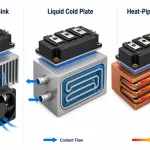
Cold Plate Heat Sink
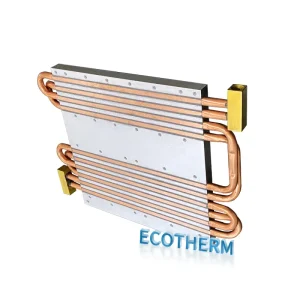
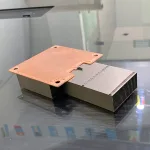
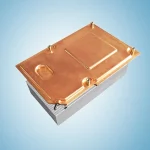
A cold plate is a metal plate. It connects to parts that make heat. Coolant flows through small paths inside the plate. The coolant takes heat away and moves it to a heat exchanger. Good heat removal is needed in strong electronics. This stops them from getting too hot or breaking.
Liquid cold plates take in and move heat better than old heat sinks.
Water or other liquids carry heat faster than air. This makes cold plates great for strong devices and small spaces.
Key Takeaways
Cold plates use liquid coolant to take away heat better than air-cooled heat sinks.
Picking a cold plate made of copper helps move heat faster and makes devices work better.
Taking care of cold plates by looking for leaks and cleaning them helps them last longer and cool well.
Cold plates take up less space, so you can fit stronger electronics in small places.
Cold plates help electronic devices last longer by keeping them at the right temperature.
How cold plates work
Heat transfer process
You can understand the basic working principle of a cold plate by looking at how it moves heat away from electronic parts. When you attach a cold plate to a hot component, heat travels quickly into the metal plate. This happens because metals like aluminum or copper conduct heat very well. Once the heat enters the plate, a liquid coolant flows through channels inside. The moving liquid absorbs the heat and carries it away from the device.
The cold plate uses two main methods to move heat:
Conduction: Heat passes from the electronic part into the metal plate.
Convection: The coolant flows through the plate, picking up heat and moving it out.
Pumps help the coolant move faster, which makes the cooling even better. This process keeps your electronics at a safe temperature, even when they work hard.
Internal structure and liquid flow
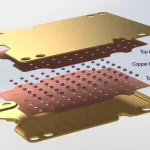
The inside of a cold plate has special passages that guide the coolant. These passages help the liquid flow smoothly and touch as much of the hot surface as possible. The design of these flow paths matters a lot. Some plates use straight channels, while others use winding or spiral paths to cover more area.
Here is how the system works:
The cold plate sits on top of the hot part.
The coolant enters the plate and flows through the internal passages.
As the liquid moves, it picks up heat from the metal.
The heated coolant leaves the plate and goes to a heat exchanger, where it cools down before returning.
Tip: Choosing a plate made from a metal with high thermal conductivity, like copper, can improve heat transfer.
You can see how different flow rates handle different heat loads in the table below:
Flow Rate (ml/min) | Flow Rate (gph) | Heat Load (W) |
|---|---|---|
126 | 2 | 100 |
315 | 5 | 200 |
400 | N/A | 300 |
N/A | N/A | 400 |
Higher flow rates usually remove more heat, which helps protect your devices.
Cold plate vs. heat sink
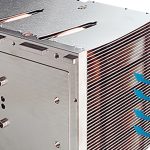
You might wonder how a cold plate compares to a regular heat sink. A traditional heat sink uses metal fins and a fan to blow air over the surface. This works for small or medium heat loads. However, air does not carry heat as well as liquid. In high-power systems, a cold plate gives you much better cooling.
Here are some key differences:
Cold plates use liquid cooling, which removes heat more efficiently than air.
They offer precise temperature control, which is important for sensitive electronics.
Cold plates work quietly, while air coolers can get noisy as fans speed up.
Regular heat sinks may not handle heavy loads or tight spaces as well.
A cold plate can lower thermal resistance by over 700% compared to air cooling. For example, a water-cooled plate can reach a thermal resistance of just 0.02 °C per watt. This makes cold plates the best choice for high-power electronics, where you need strong and reliable cooling.
Benefits of cold plate cooling
High efficiency for power electronics
Strong cooling is needed for powerful electronics. A cold plate helps keep processors and GPUs safe. It quickly moves heat away from hot parts. This helps devices work well, even when they get hot. Cold plates use liquid to cool, which works better than air. You get better performance and less chance of overheating.
Feature | Cold Plate Cooling | Air-Cooled Solutions |
|---|---|---|
Thermal Performance | Superior | Lower |
Cooling Method | Localized liquid cooling | Forced air cooling |
Size | Smaller | Larger |
Noise Level | Quieter | Noisy |
Weight | Lighter | Heavier |
If you lower a chip’s temperature by 10°C, it can last twice as long. Cold plates help you reach these cooler temperatures. This makes your electronics last longer.
Space-saving and design flexibility
You want your electronics to fit in small spaces. Cold plate systems make this possible. They handle more heat than air cooling. You can cool parts that make over 250 watts per square centimeter. Liquid-cooled servers can use up to 40% less space than air-cooled ones.
Cold plates let you:
Save space in your designs.
Use smaller and lighter cooling systems.
Fit more power into tight areas.
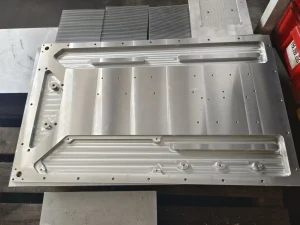
CNC machined cold plates let you design special flow paths. You can add microchannels and control how the coolant moves. This helps you get the best cooling for your needs.
Evidence Description | Key Point |
|---|---|
CNC machined cold plates allow for optimized flow paths | Design flexibility |
Microchannels improve thermal performance | Enhanced cooling |
Custom flow paths control pressure and heat removal | Improved system efficiency |
Reliability and longevity
You want your electronics to last a long time. Cold plates help with this. They keep temperatures steady and stop overheating. This means your devices work better and last longer.
Cold plates:
Give reliable cooling for many industries.
Keep temperatures stable to protect your devices.
Help electronics work well, even when used a lot.
Cold plates give steady cooling and lower the risk of damage. You get better performance and longer life for your important equipment.
Cold plate applications
Power electronics and batteries
Cold plates are used in strong electronics and batteries. Electric cars need cold plates to cool battery packs and chargers. They also cool drive inverters. This keeps the car running well and stops it from getting too hot. Cold plates work with different battery shapes. Cylindrical batteries use tubes that twist for side cooling. Prismatic batteries use plates under them. Some batteries get cooled from more than one side for better results.
Microchannel cold plates touch more coolant. This helps them take away heat fast. It keeps battery cells at a steady temperature. This lowers the chance of overheating and stops thermal runaway. Cool batteries make electric cars safer and help them last longer.
Medical and industrial uses
Cold plates are found in many medical machines. They take away heat while the device works. This keeps the machine working well and stops it from breaking. Makers use metals like aluminum or copper for cold plates. These metals move heat quickly. Small devices, like embedding centers, use cold plates to keep temperatures steady. This helps give correct readings and makes the device work well.
Some cold plates have special channels or fins. These help move heat away even faster. Cold plates in test equipment give better reliability and more correct results. In factories, cold plates cool electronics by moving coolant through metal plates. This works well when air cooling is not enough.
Avionics and automotive
Cold plates help control heat in avionics. Good cooling saves energy and helps parts last longer. Cold plates stop overheating. This keeps systems working well and helps them perform better. In cars, cold plates move heat away from batteries and electronics. Coolant flows through the plate and keeps parts safe. This helps car electronics work better and last longer.
Tip: Cold plates give better cooling in tough places. They help systems stay reliable and work well.
Types and materials
Cold plate types
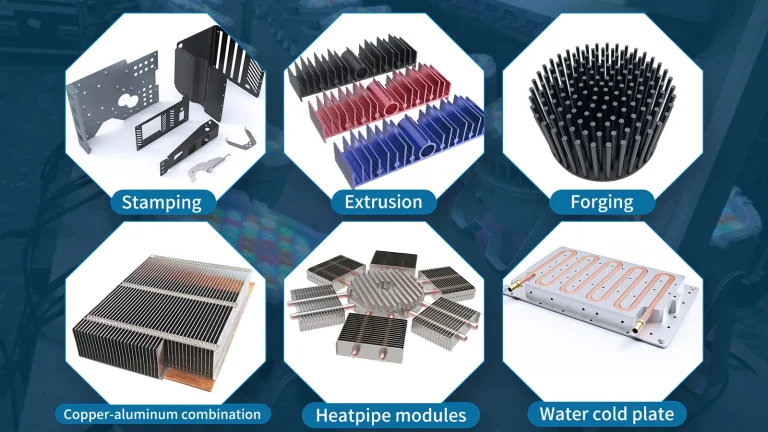
There are a few main cold plate types you can pick. Each one moves heat away in its own way. The table below shows the most common types, how they are made, and where you might use them:
Cold Plate Type | Manufacturing Method | Key Features | Common Applications |
|---|---|---|---|
Hydroformed (Stamped) | Stamped metal sheets welded together | Cost-effective, complex channels, strong | EV batteries, energy storage |
Extruded Channel | Simple, easy to size, good value | Battery tubes, inverters, motor drives | |
FSW (Friction Stir Welded) | CNC-machined halves joined by friction stir welding | Leak-proof, handles high pressure, complex layouts | Battery trays, aerospace, fuel cells |
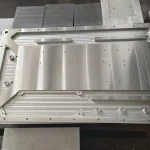
Machined (CNC) | Channels milled into solid plate | Customizable, precise, great for prototypes | R&D, custom stacks, wind converters |
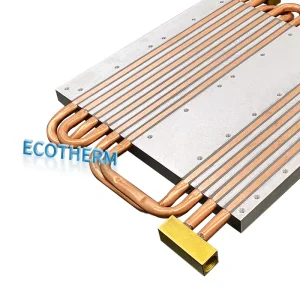
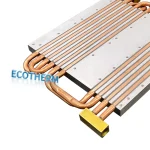
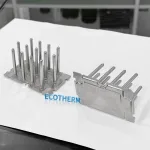
You might also see tube-in-plate and brazed cold plates. Tube-in-plate designs press a metal tube into grooves. This lets the coolant touch the tube directly and keeps thermal resistance low. Brazed cold plates are all metal and have fins inside. The fins give more surface area and help heat move better. Brazed types usually cool better and spread heat more evenly than tube-in-plate types.
Material options
Most cold plates are made from aluminum or copper. Each material has good and bad points.
Material | Thermal Conductivity (W/mK) | Advantages | Disadvantages |
|---|---|---|---|
Copper | ~400 | Best heat transfer, efficient cooling | Heavy, expensive, can corrode |
Aluminum | 205 | Light, affordable, easy to shape, resists corrosion | Lower heat transfer |
Copper moves heat faster than aluminum. This makes copper great for strong cooling. Aluminum is lighter and costs less money. You can shape aluminum into tricky designs more easily. Aluminum does not rust, so it works well in tough places.
Tip: Pick copper for the best cooling. Choose aluminum if you want to save weight and money.
Selection criteria
Think about a few things before you pick a cold plate. The table below lists important points to help you decide:
Criteria | Description |
|---|---|
Thermal Performance | Make sure the cold plate can handle your heat load. |
Manufacturing Cost | Check if the type fits your budget. |
Size and Weight | Choose a size and weight that fits your space, especially for vehicles. |
Installation and Maintenance | Pick a design that is easy to install and keep clean. |
Fluid Compatibility | Match the coolant with the plate material to avoid damage. |
Operational Environment | Think about temperature, humidity, and pressure where you will use it. |
Scalability | Look for designs that allow for future upgrades. |
Measure how much power your heat source makes in watts.
Make sure the cold plate keeps your device at a safe temperature.
Think about the space you have and how much weight you can add.
Check if the coolant and plate material work well together.
Note: The right cold plate will keep your electronics safe, save space, and fit your budget.
Installation and maintenance
Installation steps
You want your cold plate to work well. First, get the surfaces ready. Clean the cold plate and the heat source with isopropyl alcohol or acetone. Both surfaces should be smooth and flat. This helps heat move from one part to the other.
Next, put on a thin layer of thermal interface material (TIM). TIM fills tiny spaces and helps heat move better. Place the cold plate on top of the heat source. Use screws to hold it in place. Tighten the screws starting from the center and move out. This spreads the pressure evenly and stops hotspots.
Now, connect the fluid lines. Use fittings that have been checked for leaks. Make sure the materials match so nothing rusts or breaks down. Check all the connections before you turn on the system.
Common mistakes to avoid:
If you do not press evenly, you can get bad contact and hotspots.
If the cold plate is not lined up right, cooling will not work well.
Screws that are too tight or too loose can bend parts or make the contact worse.
Tip: Always use the right amount of force for your screws. This helps your cold plate work its best.
Maintenance tips
Doing regular checks keeps your cold plate working well. Look at the coolant and the fluid paths often. Clean away any dirt or stuff that builds up. Check the fittings and hoses for leaks or damage.
You should also check for rust and see if the coolant is still good. Use these tests to keep your system in good shape:
Testing Method | Purpose |
|---|---|
Corrosion and material compatibility | Checks if the coolant hurts the metal and finds rust early |
Metal ion concentration measurement | Finds rust early and helps you plan fixes |
pH and reserve alkalinity testing | Shows if the coolant is breaking down |
Chloride ion concentration testing | Finds things that can make metal pit |
Organic contaminant testing | Checks for chemicals that stop rust and finds other bad stuff |
Do a salt spray test in a safe place to check the coating on your cold plate. This test shows if coatings like passivation or anodization protect against rust.
Note: Taking care of your cold plate helps it last longer and keeps your electronics safe.
You have learned how cold plates give strong cooling for high-power electronics. Cold plates move heat fast and help your devices last longer. You should pick the right type and material for your needs. Install your cold plate with care and check it often. Good cooling keeps your equipment safe and working well. If you want better performance, try cold plate solutions for your next project.
FAQ
You get better cooling with a cold plate. Liquid removes heat faster than air. Cold plates work well in tight spaces and for high-power devices.
You can use water as a coolant. Make sure the water is clean and does not cause rust. Some systems use special coolants to protect the metal.
You should check your cold plate system every few months. Look for leaks, dirt, and rust. Clean the coolant paths and replace the coolant if needed.
Cold plates work quietly. You do not hear fans or moving parts. Pumps may make a soft sound, but the system stays much quieter than air cooling.
You see cold plates in electric cars, servers, medical machines, and power electronics. These devices need strong cooling and steady temperatures.