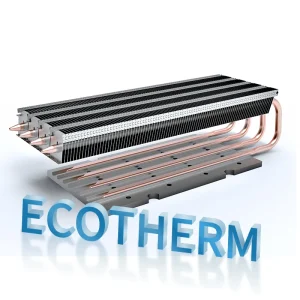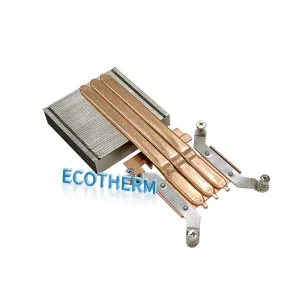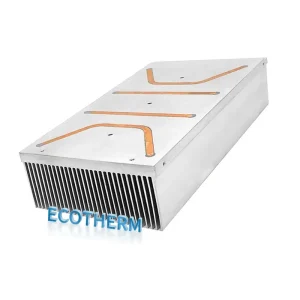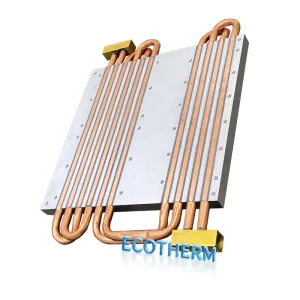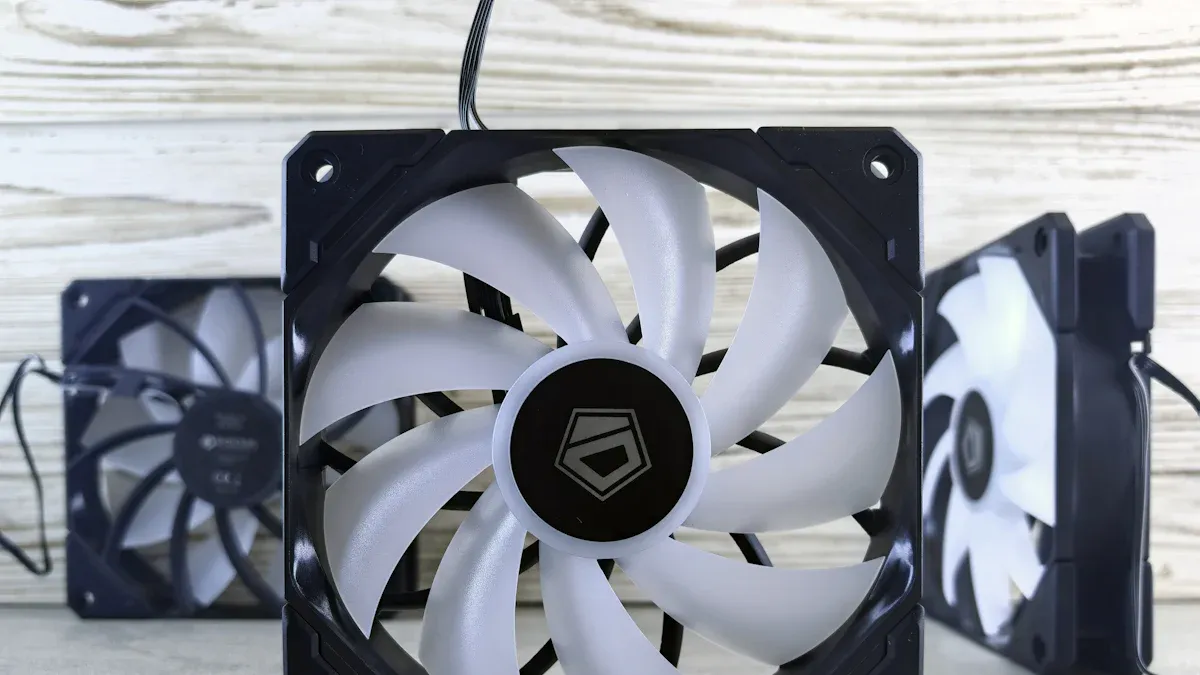
Air cooled heatsinks take heat away from electronics. This helps your equipment stay cool and safe. Good heat management is important. More than half of device failures happen when it gets too hot. You can pick from many heatsink solutions. Some examples are custom ASIC coolers, pin fin, or slant fin designs. These choices help you find the best thermal solution for your device. This gives better performance and helps your device last longer.
How Air Cooled Heatsinks Work
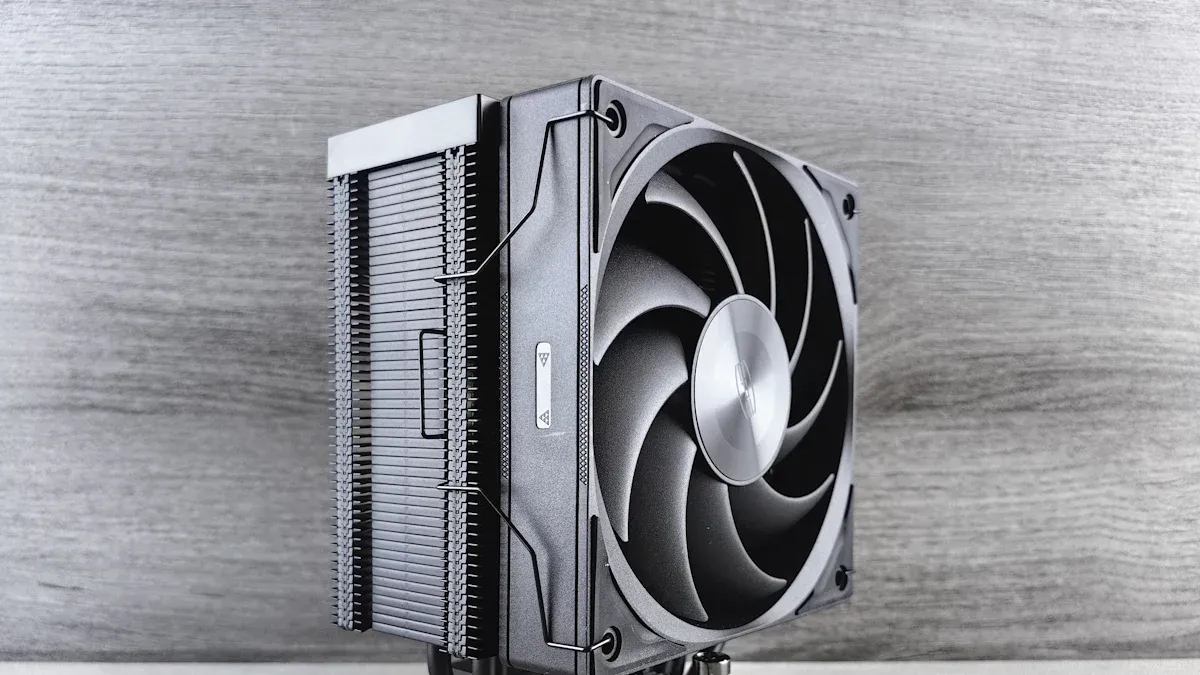
Heat Dissipation Principles
It is important to know how heat leaves electronics. Air cooled heatsinks use three main ideas to do this.
- Conductive heat transfer moves heat from the part to the heatsink. Aluminum and copper help because heat travels through them easily.
- Convective heat transfer happens when the heatsink gives heat to the air. The air takes the heat away and helps keep things cool.
- Radiative heat transfer sends heat out as infrared energy. This is not as important for most electronics. It matters more when things get very hot.
All these ideas work together to keep devices safe and working.
Airflow and Convection
Airflow is very important for heatsinks. More airflow helps the heatsink move heat away faster. This lowers thermal resistance and makes cooling better. High-density heatsinks can change a lot when airflow changes.
- Convective heat transfer helps move heat from the heatsink to the air.
- Natural convection happens when warm air goes up and cool air comes in. You see this in passive heatsinks.
- Forced convection uses fans to push air over the heatsink. This makes cooling much stronger and works well for powerful electronics.
You should think about how air moves around your heatsink to get the best results.
Passive vs. Active Cooling
You can pick passive or active cooling for your electronics. Each way has its own good points.
| Cooling Method | Description | Thermal Resistance Characteristics |
|---|---|---|
| Passive Cooling | Uses natural convection and radiation. No extra devices are needed. | Higher thermal resistance because it relies on natural processes. |
| Active Cooling | Uses fans or other devices to move air and boost heat transfer. | Lower thermal resistance. Handles more heat and keeps things cooler. |
- Passive cooling uses only natural ways to get rid of heat. These ways are conduction, convection, and radiation.
- Active cooling adds fans or pumps to move heat faster. This keeps your device even cooler.
Pick the way that fits your device and how much heat it makes.
Benefits of Air Cooled Heatsink Solutions
Cost and Efficiency
You want your electronics to stay cool and not cost a lot. Air cooled heatsink solutions help you do this. They are cheaper to buy and set up than liquid cooling systems. You do not need pumps or extra pipes. This makes them a good pick for many uses.
Here is a table that shows how air cooling and liquid cooling compare:
| Cooling Type | Initial Cost | Energy Efficiency | Long-term Costs |
|---|---|---|---|
| Direct Liquid Cooling | Higher | More efficient (reduces energy use by up to 80%) | Lower overall |
| Traditional Air Cooling | Lower | Less efficient (fans use more power) | Higher overall |
You save money at first with air cooled heatsinks. They are also easy to put in and upgrade.
Reliability and Maintenance
You want your devices to work for a long time. Air cooled heatsinks have fewer moving parts. This means there is less that can break. You do not have to worry about leaks or pumps stopping. Cleaning is simple. You can use a brush or air to get rid of dust.
Here is a table that shows how long each system lasts:
| Cooling System Type | Average Lifespan (Years) |
|---|---|
| Liquid Cold Plate | 7 to 15 |
| Air Cooling Systems | Shorter than liquid plates |
Air cooled systems might not last as long as liquid cold plates. But they are easy to take care of. You can check them often and keep them working well.
Versatility in Applications
You can use air cooled heatsink solutions in many things. They work in computers, LED lights, cars, and more. Many people pick them because they are light and do not cost much. Aluminum heatsinks are liked for their good thermal conductivity.
Tip: You can find air cooled heatsinks in servers, electronics, and cars. They are easy to clean and fit many needs.
- Cost-effective
- Easy to take care of
- Good at moving heat away
- Well-known technology
You can count on air cooled heatsinks to keep your devices safe and cool in many places.
Types of Heatsink Solutions
You can choose from many types of heatsink solutions. Each type has special features that help with different cooling needs. Let’s look at the main categories and see how they work for your devices.
Extruded and Board Level
Extruded heatsinks are very common in electronics. You see them in computers, power supplies, and many other devices. Manufacturers use aluminum to make these heatsinks because it moves heat well and does not weigh much. The fins on extruded heatsinks help air move around and carry heat away.
Board level heatsinks fit right onto your circuit boards. They save space and give direct contact with hot parts. You can pick custom shapes and sizes to match your board layout. These heatsinks are easy to install and work well in tight spaces.
- You get better thermal performance because the heatsink touches the component directly.
- The design saves space, which helps in small devices.
- You can customize the heatsink for your needs.
- These heatsinks cost less when you need many of them.
- Aluminum makes them light and keeps them from rusting.
BGA and LED Heatsinks
BGA (Ball Grid Array) heatsinks help cool chips that use BGA packaging. These chips can get very hot. You can attach BGA heatsinks in many ways, such as with thermal tape, epoxy, pushpins, anchors, or wire clips. This lets you pick the best way for your device and environment. The flexible design means you can use them on many types of boards and layouts.
LED heatsinks solve the problem of heat in small, bright lights. LEDs need good cooling to stay bright and last longer. Special LED heatsinks fit into tight spaces and help move heat away fast. You can find them in flashlights, car lights, and home lighting.
Tip: When you use the right BGA or LED heatsink, you protect your device from overheating and make it last longer.
Folded, Bonded, Stacked, Skived
Some heatsink solutions use advanced designs to move more heat. Folded, bonded, stacked, and skived heatsinks each have their own strengths. You can see how they compare in the table below:
| Heatsink Type | Advantages | Disadvantages |
|---|---|---|
| Folded Fin | High performance with ducted air; large surface area | Higher cost; needs ducting |
| Skived Fin | Superior thermal performance; high fin density | Not for high power; thin fins can be fragile |
| Bonded Fin | Good for large devices; moderate performance | Higher cost; not for high vibration |
| Stacked Fin | Compact design | May have limits in thermal performance |
- Folded fin heatsinks work best when you have air moving through a duct. They give you a lot of surface area for heat to escape.
- Skived fin heatsinks have very thin fins and a strong base. This gives you great cooling in a small space.
- Bonded fin heatsinks are good for big devices. You can use glue or brazing to attach the fins.
- Stacked fin heatsinks save space and fit in compact designs.
DC/DC Converter Heatsinks
DC/DC converters change one voltage to another. They can get hot when they work hard. Special heatsinks for DC/DC converters keep them cool and safe. You can mount these heatsinks easily on your converter. They use strong materials and smart designs to move heat away fast. This helps your converter last longer and work better.
Spread Fin and Swaged Designs
Spread fin and swaged heatsinks use new ways to move heat. Swaged heatsinks start as a round piece of aluminum. The maker cuts, heats, and shapes it with a machine. This process makes strong fins that connect well to the base.
- You get better aspect ratios than with thin fin extrusions.
- The fins can be very thin, sometimes as thin as 0.008 inches.
- Fins can be tall, up to 2 inches or more.
- You do not need extra material between the base and fins.
- The bond between the base and fins is strong.
- This method works well for large heatsinks and is better for the environment.
Researchers also study different fin shapes, like pins and plates. They try round, rectangle, trapezoid, and hydrofoil shapes. The way you arrange the fins can make a big difference in how well the heatsink works.
Note: Spread fin and swaged heatsinks give you more choices for high-performance cooling in many devices.
You can find the right heatsink solutions for your needs by looking at these types. Each one helps you manage heat in a smart way.
Performance Factors
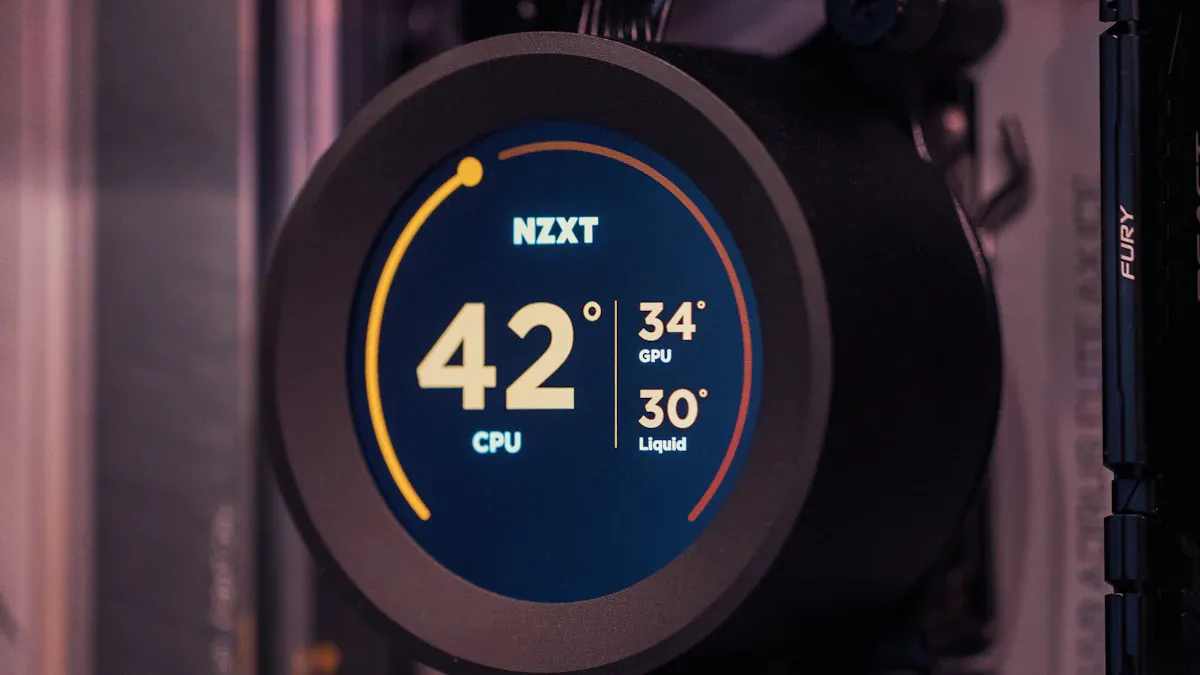
Material and Surface Area
You should think about what your heatsink is made of. Aluminum and copper are used most often. Copper moves heat faster than aluminum. Copper has a thermal conductivity of about 231 BTU/(hr·ft⋅°F). Aluminum’s thermal conductivity is about 136 BTU/(hr·ft⋅°F). Copper is used in heatsinks that need high performance. Aluminum is lighter and costs less. It works well for many devices.
| Metal | Thermal Conductivity [BTU/(hr·ft⋅°F)] |
|---|---|
| Aluminum | 136 |
| Copper | 231 |
The surface area of a heatsink is very important. Fins or special shapes give more space for heat to escape. If you want to cool a 100W device, you need a bigger cooling area than the device itself. More surface area helps the heatsink cool better.
Airflow and Environment
Airflow helps the heatsink work well. When air moves over the fins, it takes heat away. You get better cooling if air can move freely around the heatsink. The area around your device also matters. Dust, temperature, and sunlight can change how well the heatsink works. Keep your device clean and out of direct sunlight for best results.
Mounting and Orientation
How you put your heatsink on your device affects cooling. If you line up the fins with the airflow, heat moves away faster. For metal housings, cooling works best when air moves along the fins or goes up. For plastic housings, it is best to mount the heatsink vertically. Good mounting and orientation help lower the temperature inside your device.
- How you mount the heatsink changes air temperature and heat transfer.
- Lining up airflow with fins makes cooling better.
- Vertical mounting works best for plastic housings.
Advanced Thermal Materials
You can make your heatsink work better with advanced thermal interface materials (TIMs). These materials fill tiny air gaps between your device and the heatsink. This gives better contact and helps heat move faster. TIMs lower thermal resistance and make cooling more effective.
| Benefit | Description |
|---|---|
| Improved Thermal Contact | Better connection between device and heatsink for faster heat transfer. |
| Reduced Thermal Resistance | Less resistance means more efficient cooling. |
| Effective Heat Dissipation | Fills air gaps for optimal heat movement. |
Tip: Use good thermal materials to help your heatsink work its best and keep your electronics safe.
Heatsink Selection Guide
Assessing Application Needs
Start by knowing what your device needs. Follow these steps to pick the right air cooled heatsink:
- Look at your device’s datasheet for thermal needs.
- Find out how much heat your device makes.
- Check the highest temperature your device can handle.
- Measure the space for a heatsink.
- See how much airflow your device gets.
Tip: Write down these numbers before you look at heatsink choices. This helps you pick the best one.
Matching Specifications
You need to match the heatsink to your device’s needs. Look at the material, size, and shape. Here is a table to help you compare materials:
| Material Type | Thermal Conductivity | Cost | Applications |
|---|---|---|---|
| Aluminum | Moderate | Low | General use |
| Copper | High | High | Critical heat dissipation |
| Graphite Composites | Variable | Moderate | Specialized applications |
Aluminum works for most devices. Copper is better for very hot devices. You can pick special shapes like fins or pins to move heat away faster.
- Complex shapes can cool better.
- Fins and pins give more surface area.
- Good design helps heat leave quickly.
Environmental Considerations
Think about the environment when you pick a heatsink. Choose materials that are easy to recycle. Some heatsinks use clean ways to make them. Some use bio-based or biodegradable materials. These choices help protect the planet.
- Pick materials you can recycle.
- Choose products made with less pollution.
- Look for designs that are easy to take apart and recycle.
Customization Options
You can customize heatsinks for special needs. Here are some options:
| Custom Heatsink Type | Description |
|---|---|
| Heat-Pipe Custom Heatsink | Moves heat quickly to cooler areas. |
| Vapor Chamber Heatsink | Spreads heat fast, good for small hot spots. |
| Machined Custom Heatsink | High precision, fits complex shapes. |
| Extruded Custom Heatsink | Cost-effective, made from aluminum. |
| Skived Custom Heatsink | Thin fins, even heat spread. |
You can change fin spacing, height, and finish. Custom mounting features make installation easier. This helps you get the best cooling for your device.
Note: Custom options help you fix special cooling problems and make your device work better.
Applications of Air Cooled Heatsinks
Electronics and Power Modules
Air cooled heatsinks are used in lots of electronics. They help control heat and keep devices safe. Here are some ways they are used:
- Power electronics, like transistors and voltage regulators, use heatsinks to handle heat from strong currents and voltages.
- Computer systems, such as CPUs and GPUs, need heatsinks to stay cool when working hard, like during gaming or data tasks.
- Cars use heatsinks in electronics to stop modules from getting too hot in tough places.
Using the right heatsink helps your devices work well and last longer.
LED Lighting
LED lights need good cooling to work their best. If LEDs get too hot, they do not last as long. For example, if the temperature goes up by 10°C, the LED might only last half as long. Air cooled heatsinks pull heat away from LED chips. This keeps lights bright and helps them last longer.
- Heatsinks stop LEDs from getting too hot and protect your money.
- The material, like aluminum or copper, changes how well the heatsink cools.
- The design, such as how big it is and how air moves, matters for cooling.
- Bad cooling can make LEDs dim and break more often.
Tip: Pick the right heatsink for your LED lights to save money and fix them less.
Automotive and Industrial
You see air cooled heatsinks in cars and factories. These heatsinks use natural or forced convection to move heat away from important parts. This helps electronics work well, even when things get rough. In cars and factories, good cooling means fewer problems and better results.
Air cooled heatsinks are important in many industries. They help keep equipment safe, work well, and last a long time.
Maintenance and Optimization
Cleaning and Inspection
You need to keep your air cooled heatsink clean to help it work well. Regular cleaning and inspection help you spot problems early and keep your device safe. Here are some steps you can follow:
- Check your heatsink often for dirt, damage, or rust on the fins and fan blades.
- Clear away anything near the heatsink that could block airflow, like dust or leaves.
- Set a cleaning schedule that matches how often you use your device.
- Use a brush, air gun, or water spray to clean the fins. For tough dirt, you can use special cleaners.
- Look at the fan motors and bearings. Add oil if needed to keep them running smoothly.
- Check the tubes for rust or wear. Replace any that look damaged.
- Put on protective coatings if the maker suggests it. This helps stop rust and dirt.
- Watch for strange shaking or noise. This can mean something is wrong.
- If your system uses water, make sure the water stays clean.
- Write down what you do each time you clean or check the heatsink.
Tip: Keeping good records helps you spot patterns and fix problems before they get worse.
Improving Airflow
Better airflow means better cooling. You can use different methods to help air move around your heatsink. Here is a table that shows some ways to improve airflow:
| Method | Description |
|---|---|
| Serrated fins | Give more surface area and help air move better. |
| Small fan | Even a little more air can cool your device much faster. |
| Large fan | Moves more air quietly by spinning slower. |
| Chimney effect | Lets hot air rise and cool air come in without using a fan. |
| Roughened surface | Holds air close to the fins and helps heat leave faster. |
You can pick one or more of these methods to help your heatsink work its best.
Monitoring Performance
You should watch how your heatsink works over time. Use temperature sensors to check if your device stays cool. Listen for new noises or feel for extra heat. If you see higher temperatures or hear strange sounds, check your heatsink right away. Keeping an eye on performance helps you catch problems early and keeps your electronics safe.
Note: Regular checks and simple fixes can make your heatsink last longer and protect your devices.
Air cooled heatsinks help electronics stay cool and work well. They have many good points:
| Benefit | Description |
|---|---|
| Superior thermal performance | Keeps devices cooler, so they work better and last longer. |
| Cost-effective manufacturing | Easy to make, which saves money and time. |
| Design flexibility | You can change the shape to fit your needs. |
| Energy efficiency | Lets you use smaller fans, so you save energy and do less upkeep. |
| Sustainability | Light and recyclable, so they are better for the planet and easy to move. |
Pick the best heatsink material and design for your device. Make sure air can move well and clean it often. Aluminum and copper help cooling because they move heat fast.
Look at special and custom choices for your needs. If you want a custom radiator, talk to our team. You can send us your drawings for free advice and help.
FAQ
What is an air cooled heatsink?
An air cooled heatsink is a device that pulls heat away from electronics. It uses metal fins and airflow to move heat into the air. You keep your devices cool and safe with this simple solution.
How do I choose the right heatsink for my device?
You need to check your device’s heat output and size. Look at the space you have and the airflow around your device. Pick a heatsink that matches your needs for material, size, and mounting.
How often should I clean my heatsink?
You should check and clean your heatsink every few months. Dust and dirt can block airflow. Use a soft brush or compressed air to keep the fins clear. Clean more often if your device runs in a dusty place.
Can I use air cooled heatsinks for LED lighting?
Yes, you can use air cooled heatsinks for LED lighting. They help keep LEDs cool. This makes your lights last longer and shine brighter. Choose a heatsink that fits your LED’s size and power.