Compare Common Manufacturing Techniques
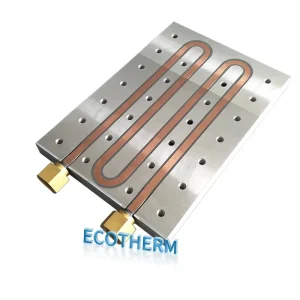
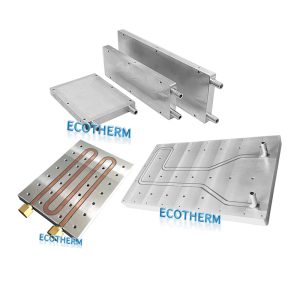
There are different ways to make custom cold plates. Each way has something good about it. Pioneer Thermal uses friction stir welding and tunnel brazing for different jobs. Brazing joins parts with a filler metal. This lets you make tricky shapes inside the plate. It also gives strong thermal performance. Friction stir welding makes a solid bond. It is good for big aluminum plates and is very reliable. Machining uses tools to cut and shape the plate. This way is very exact and works well for testing or special shapes. Die casting is best if you need many plates. It costs less but does not cool as well as other ways.
Here is a quick look at the main methods:
Manufacturing Method | Key Advantage | Best For |
|---|
Brazing | High Performance | Complex internal fin geometries |
FSW | High Reliability | Large, robust aluminum plates |
Machining | High Precision | Prototypes, complex features |
Die Casting | High Volume | Mass production, lower costs |
Tip: If you want your electronics to stay cool, try brazing or FSW. These ways let you design the plate just how you need it.
Match Method to Budget and Performance
You should pick a way to make your cold plate that fits your money and how well you want it to work. Friction stir welding gives the best cooling and strong plates. It costs more at first but saves money if you make a lot of plates. Brazing is good for tricky designs but can cost more if the shape is hard. Machining is best for small groups or when you want to test new ideas. Die casting is cheapest for big orders but does not cool as well.
Think about these things before you choose:
How much heat your system makes
How much money you have
How big and heavy the plate can be
How easy it is to put in and fix
What fluid you will use
Where you will use the plate (hot, wet, or tough places)
If you need to add more plates later
You get the best results when you pick a way that fits your cooling needs and your money. Custom cold plates work best when you match the right way to your job.
Technical Drawings and Documentation
Essential Elements to Include
You need to give your supplier clear technical drawings when you order custom cold plates. Good drawings help you get the right product. They also save you time and money. Here are the main things you should include:
Dimensions: Show the length, width, and thickness of the cold plate. Use clear units like millimeters or inches.
Tolerances: Tell how much size can change. This helps the supplier know what is okay and what is not.
Port Locations and Sizes: Mark where the fluid goes in and out. Show the size and type of each port.
Mounting Holes: Draw all holes for screws or bolts. Give their size and exact spot.
Channel Layout: Show the path of the coolant inside the plate. Use arrows to show flow direction.
Material Type: Write the exact material you want, like “6061 Aluminum” or “C110 Copper.”
Surface Finish: Say if you need a smooth or rough surface.
Special Features: Add notes for things like sensors, coatings, or extra fittings.
Tip: You can use a table in your drawing to list all important details. This makes it easy for your supplier to check everything.
Avoiding Common Documentation Errors
You can avoid many problems by checking your drawings before you send them. Many people make the same mistakes. Here are some to watch out for:
Common Error | How to Prevent It |
|---|
Missing dimensions | Double-check all sides and features |
Unclear tolerances | Use standard symbols and notes |
Wrong port sizes | Match ports to your hoses and fittings |
No material listed | Always write the full material name |
Overlooked mounting holes | Count and mark every hole needed |
You should always review your drawings with your team. Ask your supplier if they have questions. Clear drawings help you get the cold plate you want. They also stop delays and extra costs.
Note: If you use 3D models, send them with your drawings. This helps your supplier see the design from all angles.
Supplier Evaluation and Communication
Vetting Supplier Experience and Quality
You should pick a supplier who knows how to make custom cold plates that work well and last a long time. Find companies that have made good cold plates before. They should follow the rules for making safe and strong products. Some suppliers use special tools like 3D modeling and AI. These tools help them design cold plates that cool better. Check if the supplier can make a cold plate just for your needs. Good suppliers give you a fair price and good performance. This means you get a good deal for your money.
Here is a table to help you compare suppliers:
Criteria | Description |
|---|
Quality | Strong track record, adherence to industry standards, rigorous testing for performance and integrity. |
Technology | Use of advanced tools like 3D modeling and AI for design, improving heat transfer efficiency. |
Customization | Tailored solutions based on specific cooling requirements, optimizing flow paths for efficiency. |
Pricing | Influenced by materials, manufacturing processes, and demand, balancing cost with performance needs. |
Tip: Ask the supplier to show you old projects. This helps you see if they can handle different cooling jobs.
Key Questions Before Ordering Custom Cold Plates
Before you buy, ask questions about how long it takes to get your cold plates, how they check quality, and what help they give you. Good suppliers test every cold plate to make sure it works right. Many suppliers use ISO rules, do pressure and heat tests, and keep track of all the parts they use.
Here is a table showing common quality control measures:
Quality Control Measure | Description |
|---|
ISO Certifications | Framework ensuring products meet required standards, commonly ISO 9001:2015. |
Testing Protocols | Durability tests under harsh conditions, including pressure and heat tests. |
Traceability Systems | Allows tracking of components used in production to ensure quality and identify failures. |
You can ask these questions to learn more:
How long will it take to make and send my cold plates?
What tests do you do to check if the cold plates are good?
Do you have ISO certifications?
Can you track each cold plate and its parts?
What kind of help do you give after I get my order?
Note: If you talk clearly with your supplier, you will not have as many mistakes or delays. You get better results when you ask questions early.
Cost, Lead Time, and Support Considerations
Factors Affecting Price and Delivery
When you buy custom cold plates, many things change the price and delivery time. You should know what makes the cost higher or lower. The main things that change the price are:
Thermal performance needs
How many plates you need each year
What material you pick
How long it takes to machine
Extra steps in making the plate
How smooth or flat the surface is
If the surface has special shapes
How hard the plate is
Special mounting spots
Liquid connection details
Machining takes time and uses energy, so it costs more. If you want special shapes or finishes, you pay extra. Flat surfaces help cooling, but rough ones cost more and do not help much. More features mean a higher price.
The material and how you make the plate also change how fast you get it. Copper plates cool better but take longer and cost more. Aluminum plates are made faster and cost less. Machining lets you change the design, but it is slower. Extrusion is quicker but gives you fewer choices.
Manufacturing Method | Lead Time Impact | Cost | Design Flexibility |
|---|
Machining | Slower | Higher | High |
Extrusion | Faster | Lower | Limited |
Material | Thermal Performance | Production Speed | Cost Impact |
|---|
Copper | High | Slower | Higher |
Aluminum | Moderate | Faster | Lower |
Custom cold plates usually cost more than regular air cooling or all-in-one systems. Prices can be like custom loops, which cost $300 to $1,000 or more.
Understanding Warranty and After-Sales Support
Before you buy, check the warranty and support. Most suppliers give a limited warranty. This covers problems with the material or how the plate was made. If you find a problem, you can ask for a new plate. The warranty is usually for one year after you get your order. Suppliers only pay for the plate or give you a new one. They do not pay for other damages.
Warranty Type | Description |
|---|
Limited Product Warranty | Covers problems with material or making. Replacement offered. Other warranties not included. |
Limitation of Liability and Remedies | Only pays for the plate or replacement. Claims must be made in one year. No extra damages. |
After you get your cold plate, you might need help. Good suppliers help you keep your equipment working. They help you fix problems and give advice. Some have online support for fast answers. You can ask for technical help if you have trouble or need tips.
Service Type | Description |
|---|
Ongoing Maintenance | Helps your equipment work well. |
Troubleshooting | Helps you solve problems after buying. |
Consulting Services | Gives expert advice for best results. |
Comprehensive Support | Helps with many technical issues. |
Online Support | Gives help through the internet. |
Tip: Always ask your supplier about the warranty and support before you buy. This helps you avoid problems and keeps your equipment working well.