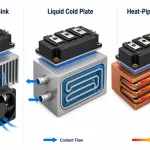
High-Power PCB Thermal Management: Beyond Standard Heat Sinks
Managing heat effectively is essential for high-power printed circuit boards (PCBs), as excessive temperatures can affect both performance and reliability. While using a heat sink in PCB design provides a straightforward solution, modern thermal challenges call for more advanced approaches. This article examines innovative techniques that go beyond conventional heat sink designs to improve cooling and overall efficiency.
Takeaway
- Traditional heat sinks may struggle in high-power, high-density PCB applications due to growing thermal loads and limited space.
- Use key PCB thermal management strategies like thermal vias, copper planes, and careful material selection to improve heat dissipation directly on the board.
- Enhance heat sink design by factoring in surface area, airflow dynamics, and thermal interface materials for more effective cooling in compact spaces.
- Consider advanced solutions beyond conventional heat sinks, such as liquid cooling systems, phase-change materials, and embedded heat pipes for handling extreme thermal demands.
- Investigate alternative methods like active cooling systems and integrated thermal solutions that can outperform standard heat sinks in specific cases.
- Focus on a comprehensive approach to thermal management by combining multiple techniques and customizing solutions to meet the unique power and density needs of the PCB design.
- Employ iterative testing and simulation tools to validate thermal performance and ensure reliability, especially in critical applications.
Introduction to Heat Sink Use in PCBs
The Role of Heat Sinks in PCB Thermal Management
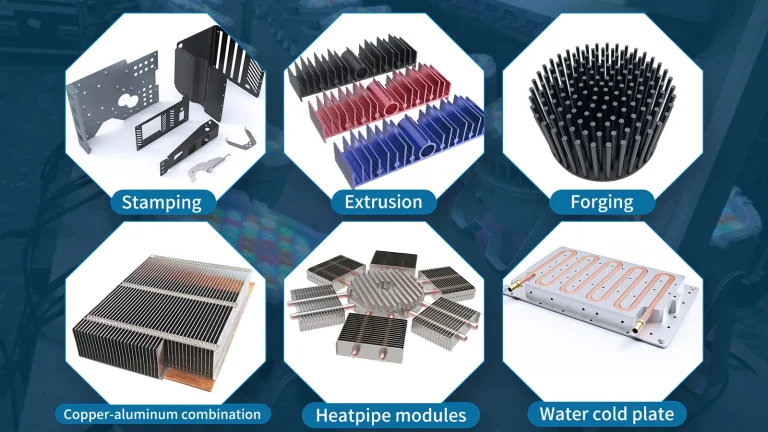
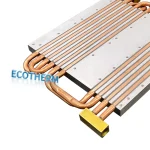
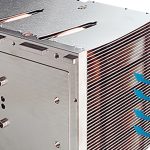
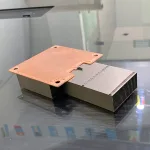
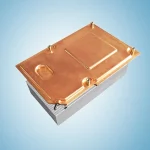
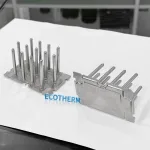
Heat sinks are essential for managing the thermal demands of high-power PCBs. By moving heat away from components that generate hotspots, they help prevent overheating and maintain stable performance. Commonly made from aluminum or copper due to their excellent thermal conductivity, heat sinks can be designed to meet specific requirements. For example, custom aluminum extrusion and skived fin designs improve heat dissipation by increasing surface area. Advanced solutions like embedded heat pipes and board-mounted vapor chambers are also being adopted to enhance thermal transfer in compact designs. Ecothermgroup offers customized solutions to address these needs, ensuring effective and reliable thermal management.
| Heat Sink Type | Primary Feature |
|---|---|
| Skived Fin | Increases surface area for better passive cooling |
| Embedded Heat Pipes | Enhances heat transfer in tight spaces |
Why Thermal Management is Critical for High-Power PCBs
Proper thermal management is crucial for high-power PCBs to avoid component damage and ensure long-term performance. Without efficient heat dissipation, thermal resistance rises, leading to decreased performance and potential failures. Passive cooling solutions like heat sinks are often used alongside thermal interface materials (TIMs) to improve conductivity between the PCB and cooling components. In more demanding cases, active cooling methods such as fans are utilized to boost heat removal. Using thermal simulation software like CFD during the design phase helps engineers identify hotspots and optimize layouts. Rapid prototyping of heat sinks further accelerates implementation, supporting design-for-manufacturing (DFM) strategies.
- Prevents overheating and component damage
- Reduces thermal resistance for better performance
- Increases reliability with targeted cooling methods
Core PCB Thermal Management Techniques
Heat Generation and Dissipation in High-Power PCBs
High-power PCBs require effective heat dissipation to maintain performance and prevent damage. Components such as power semiconductors, resistors, and transformers generate heat and need reliable cooling methods to avoid hotspots. Selecting solutions like heat sinks in PCBs is essential for efficient heat management. Skived fin heat sinks and custom aluminum extrusions are popular choices due to their excellent thermal conductivity and ability to handle dense heat loads.
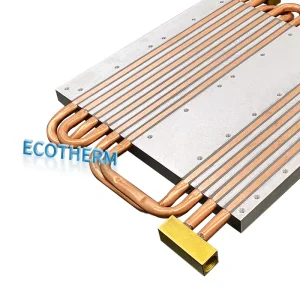
Additional techniques like thermal vias and embedded heat pipes enhance heat removal by transferring it from PCB layers to external cooling elements. Thermal vias create direct paths for heat to move vertically through the board, reducing hotspots and improving thermal resistance. Embedded heat pipes further distribute heat effectively across the board. Ecothermgroup provides tailored thermal management solutions to address these challenges, ensuring high performance in demanding environments.
Layout Strategies to Minimize Thermal Resistance
Optimizing PCB layout is key to reducing thermal resistance. Positioning high-power components close to heat-dissipating elements, such as heat sinks or copper pours, helps minimize thermal bottlenecks. Using thicker copper layers, typically 2 oz to 4 oz, improves thermal conductivity and lowers resistance in high-power designs. Employing a metal core PCB (MCPCB) with aluminum or copper cores provides effective heat spreading, significantly outperforming standard FR-4 boards.
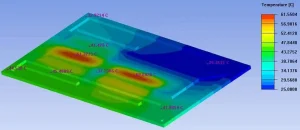
Thermal simulation software, such as CFD tools, is invaluable during design. These simulations help identify potential hotspots and optimize component placement. For example, relocating heat-sensitive components away from high-temperature zones or grouping heat-generating components near cooling solutions can enhance heat dissipation efficiency. Applying design for manufacturing (DFM) principles ensures smooth production while maintaining optimal thermal performance.
| Layout Strategy | Thermal Benefit |
|---|---|
| Thicker Copper Layers | Improved thermal conductivity and reduced resistance |
| Metal Core PCBs | Enhanced heat spreading and dissipation |
| Thermal Simulation Software | Identification and mitigation of hotspots |
Thermal Interface Materials (TIMs) and Their Role
Thermal interface materials (TIMs) improve heat transfer between heat sources and cooling solutions by reducing thermal resistance at the interface. Common TIMs, such as thermal pads, pastes, and adhesives, fill microscopic air gaps to ensure efficient heat transfer. For instance, phase-change materials used with heat sinks on PCBs can provide better thermal conductivity than standard adhesives.
Choosing the right TIM depends on factors like thermal conductivity, ease of application, and durability. High-performance applications often prefer materials with low thermal resistance and high conductivity. Rapid prototyping of heat sinks, paired with suitable TIMs, accelerates development and ensures compatibility with specific PCB designs.
- Thermal pads: Easy to apply and suitable for uneven surfaces.
- Thermal pastes: High thermal conductivity but require precise application.
- Adhesives: Serve dual purposes for bonding and heat transfer.
By combining quality TIMs with advanced cooling solutions, manufacturers like Ecothermgroup deliver customized thermal management systems that meet the specific needs of high-power PCBs.
Optimizing Heat Sink Design for High-Density Applications
Understanding Thermal Resistance in Heat Sinks
Thermal resistance plays a key role in heat sink design for PCBs, as it directly affects heat dissipation efficiency. In high-density applications, minimizing thermal resistance helps manage localized hotspots, protecting sensitive components from overheating. Heat sinks with lower thermal resistance, such as skived fin designs or custom aluminum extrusions, enable faster heat transfer from PCB components to the surrounding environment.
Copper and aluminum are popular materials due to their excellent thermal conductivity. Copper provides superior conductivity but is heavier and more expensive, while aluminum offers a lightweight and cost-effective alternative. Engineers often rely on computational fluid dynamics (CFD) software to simulate thermal behavior and determine the most effective heat sink geometry for specific applications.
| Material | Thermal Conductivity (W/m·K) |
|---|---|
| Copper | 400 |
| Aluminum | 205 |
Advanced cooling techniques, such as board-mounted vapor chambers or embedded heat pipes, further reduce thermal resistance and enhance overall performance. These approaches are particularly useful in high-power scenarios where passive cooling methods alone may not suffice.
Key Considerations for High Flux Environments
High flux environments require heat sink designs that maximize heat dissipation within constrained spaces. Compact fin geometries, like those used in skived fin heat sinks, offer increased surface area to improve heat removal efficiency. Active cooling solutions, such as forced convection using fans, are often combined with these designs to handle extreme thermal loads effectively.
Rapid prototyping heat sinks allow engineers to test various configurations and refine designs quickly, ensuring optimal performance before moving to mass production. When designing solutions for high-power PCBs, factors such as DFM optimization and compatibility with existing thermal management systems are essential.
- Compact fin geometries for tight spaces
- Combination of passive and active cooling
- Integration of advanced cooling techniques
- Testing with rapid prototyping heat sinks
Enhancing Heat Sink Performance with TIMs
Thermal Interface Materials (TIMs) are essential for improving heat sink performance by reducing air gaps between the heat sink and PCB components. Common TIMs include thermal pads, thermal grease, and phase-change materials, each suited to specific needs. By lowering thermal resistance at the interface, TIMs enable more effective heat transfer and enhance reliability in high-density applications.
The choice of TIM depends on factors such as thermal conductivity, ease of application, and long-term stability. For example, phase-change materials are ideal for applications requiring high thermal conductivity and minimal maintenance, while thermal pads are preferred for their simplicity during installation. Ecothermgroup provides a range of TIMs designed to complement custom heat sink solutions.
| TIM Type | Advantages |
|---|---|
| Thermal Pads | Easy installation, cost-effective |
| Thermal Grease | High conductivity, fills micro gaps |
| Phase-Change Materials | Excellent heat transfer, durable |
By combining optimized heat sink designs with high-quality TIMs, engineers can achieve advanced thermal management tailored to the demands of high-power PCB applications.
Advanced Techniques Beyond Standard Heat Sinks
Phase Transition and Jet Impingement Cooling
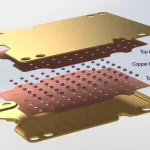
Phase transition cooling and jet impingement systems offer innovative solutions to overcome the limitations of conventional heat sink designs in PCB thermal management. Phase transition cooling uses the latent heat of a working fluid that evaporates and condenses within a sealed system, such as a heat pipe or vapor chamber. This method enhances heat dissipation efficiency by effectively transferring heat away from localized hotspots compared to passive cooling methods.
Jet impingement cooling involves directing high-velocity fluid jets onto specific PCB areas to remove heat. This approach allows precise control over cooling zones, making it ideal for high-power applications with uneven heat distribution. Computational Fluid Dynamics (CFD) tools are frequently used during the design phase to simulate and optimize the thermal performance of jet impingement systems.
While traditional solutions like a skived fin heat sink in PCB designs are effective, these advanced techniques provide greater thermal resistance reduction. However, they require careful integration into the PCB design to ensure compatibility with manufacturing processes and cost-effectiveness.
Wide Bandgap Semiconductors and Their Thermal Challenges
Wide bandgap semiconductors (e.g., GaN and SiC) are transforming high-power applications with their superior electrical performance and thermal conductivity. However, they also pose unique thermal challenges due to their high power density and compact designs. Standard heat sink solutions often struggle to manage the thermal loads generated by these materials.
To address these issues, designers are increasingly utilizing embedded heat pipes and board-mounted vapor chambers. These solutions effectively spread heat across the PCB, reducing thermal resistance and minimizing localized hotspots. Metal-core PCBs and advanced thermal interface materials (TIMs) further improve heat dissipation by offering higher thermal conductivity compared to traditional FR-4 substrates.
Thermal simulation software like CFD plays a crucial role when working with wide bandgap semiconductors. These tools help model heat flow accurately, allowing engineers to pinpoint thermal bottlenecks and optimize cooling component placement.
Thermal Vias and Multi-Layer PCB Design
Thermal vias are vital for advanced PCB thermal management, especially in multi-layer designs. These copper-plated holes transfer heat from surface-mounted components to internal or external thermal planes, significantly reducing Z-axis thermal resistance. A dense array of thermal vias is effective in preventing localized hotspots in high-density layouts.
Multi-layer PCBs enhance heat dissipation further by incorporating thicker copper layers (e.g., 2-4 oz copper) and strategically placed thermal vias. For example, combining thermal vias with a custom aluminum extrusion heat sink achieves optimal heat dissipation efficiency. This solution is particularly advantageous for compact designs where space constraints limit larger cooling systems.
| Technique | Key Advantages |
|---|---|
| Thermal Vias | Reduces Z-axis thermal resistance, prevents hotspots |
| Embedded Heat Pipes | Efficient heat spreading across PCBs |
| Vapor Chambers | Enhanced cooling for high-power areas |
For successful implementation, designers must consider Design for Manufacturing (DFM) principles when adding thermal vias. This includes optimizing via placement, size, and plating thickness to balance thermal performance with production costs.
- Use thermal vias to connect heat-generating components to external cooling systems.
- Incorporate advanced TIMs to improve heat transfer efficiency.
- Apply CFD tools to validate thermal designs before production.
Comparing Heat Sinks to Alternative Solutions
Heat Sink vs Thermal Adhesives: When to Use Each
Heat sinks are essential in PCB thermal management, particularly for high-power applications that require effective heat dissipation. They function by increasing the surface area for heat transfer, often using materials like aluminum extrusion or skived fin designs to enhance thermal conductivity. On the other hand, thermal adhesives offer a lightweight, space-efficient solution, bonding components directly to dissipative surfaces and eliminating the need for mechanical fasteners.
Thermal adhesives are ideal for applications where weight and space are limited, such as compact consumer electronics or drones. However, their thermal resistance is generally higher compared to a well-designed heat sink, making them less effective for addressing localized hotspots in densely packed PCB layouts. For applications that demand high performance without significant compromises, combining thermal adhesives with a thin board mounted vapor chamber can offer an effective middle ground between efficiency and compact design.
| Parameter | Heat Sink | Thermal Adhesive |
|---|---|---|
| Thermal Conductivity | High | Moderate |
| Space Requirements | Moderate to High | Low |
| Cost | Varies (Material Dependent) | Low |
| Ease of Integration | Medium | High |
Cost, Performance, and Reliability Considerations
When evaluating heat sinks against alternative solutions, cost and long-term reliability are crucial factors. Heat sinks, including custom designs from manufacturers like Ecothermgroup, can be tailored to meet specific performance requirements, providing excellent heat dissipation. However, they may increase production costs and require careful design optimization to integrate seamlessly into PCB layouts.
Alternatives such as thermal vias or embedded heat pipes offer cost-effective solutions, especially in space-constrained applications. For example, thermal vias are commonly used in 6-layer PCB designs to connect heat-generating components to copper pour planes, improving heat transfer. Despite their benefits, these alternatives may not match the reliability of passive heat sinks in managing sustained thermal loads.
- Heat sinks are best suited for high-power density applications like LED drivers and power converters.
- Thermal vias are a cost-effective option but are limited by PCB stack-up and layout constraints.
- Embedded heat pipes work well for localized cooling needs without adding bulky components.
Emerging Technologies for PCB Thermal Management
Advances in PCB thermal management are introducing new solutions beyond traditional heat sinks. Active cooling methods, such as liquid-cooled heat sinks, are becoming popular for compact designs with high power densities. Additionally, phase-change materials and board mounted vapor chambers are being incorporated to handle transient thermal spikes.
Thermal simulation tools, including CFD software, play a vital role in evaluating these new technologies. By simulating heat dissipation and identifying potential hotspots early in the design process, engineers can make informed decisions about implementing advanced solutions. Rapid prototyping heat sinks, paired with design optimization, also allow for quick testing and iteration of various configurations.
As these technologies evolve, manufacturers like Ecothermgroup continue to innovate, providing custom heat sink designs and complementary solutions for complex thermal challenges. This ensures PCB designers can achieve the right balance of performance, reliability, and cost, even for demanding high-power applications.
Conclusion: Effective Thermal Management Strategies
Summarizing PCB Thermal Solutions
Managing heat in high-power PCBs requires more than standard heat sinks. Combining multiple strategies enhances heat dissipation and overall efficiency. Advanced materials like high thermal conductivity prepregs and dielectrics reduce thermal resistance compared to traditional FR-4 substrates. Thick copper layers, typically ranging from 2 oz to 4 oz, improve heat spreading and minimize Joule heating, making them ideal for high-current applications.
Innovative heat sink designs further boost cooling performance. Custom aluminum extrusions and skived fin heat sinks are tailored for high flux scenarios, improving efficiency and lowering thermal resistance. For compact designs, embedded heat pipes and board-mounted vapor chambers effectively cool hotspots. These passive solutions can be paired with active methods, such as forced air or integrated fans, to handle higher thermal demands.
Thermal vias and via farms remain essential for transferring heat from surface-mounted components to internal copper planes or external heat sinks. Optimized PCB layouts, which strategically place high-power components near edges, help prevent hotspots and ensure even heat distribution.
| Thermal Strategy | Key Advantage |
|---|---|
| Thick Copper Layers | Enhanced heat spreading |
| Skived Fin Heat Sink | Improved heat dissipation efficiency |
| Embedded Heat Pipes | Localized hotspot cooling |
| Thermal Vias | Effective vertical heat transfer |
Future Trends in High-Power PCB Cooling
Advancements in PCB cooling are increasingly driven by simulation tools like computational fluid dynamics (CFD) software, enabling engineers to design and optimize thermal solutions earlier in the process. This complements the growing focus on design for manufacturability (DFM) and rapid prototyping to meet both thermal and production requirements.
New materials are set to revolutionize thermal management. Research into phase-changing materials and nano-coatings shows promise for enhancing thermal conductivity and heat dissipation. Hybrid cooling systems combining passive solutions with active methods, such as liquid cooling integrated with heat sinks, are also gaining attention for their ability to manage extreme thermal loads.
Partnering with experts like Ecothermgroup provides access to tailored thermal management solutions. Their expertise in custom heat sink design and advanced materials ensures effective solutions for evolving PCB challenges.
- Utilization of CFD software for thermal design
- Breakthroughs in phase-changing materials
- Hybrid systems combining passive and active cooling
- Collaborations with expert heat sink manufacturers
Effective thermal management in high-power PCBs relies on integrating advanced materials, innovative heat sink designs, and strategic layouts. By adopting emerging trends and leveraging specialized expertise, engineers can maintain reliable performance and durability in demanding applications.
People Also Ask
What is the role of a heat sink in PCB thermal management?
A heat sink in PCB thermal management helps dissipate heat generated by high-power components, preventing overheating and ensuring consistent performance. It transfers heat away from the components to the surrounding environment through conduction and convection.
How can heat sink design be optimized for high-density PCB applications?
Optimizing heat sink design for high-density PCBs involves using materials with high thermal conductivity, increasing surface area, and employing techniques like thermal vias or advanced thermal interface materials to minimize thermal resistance.
What are some limitations of using standard heat sinks in PCBs?
Standard heat sinks can struggle with high power density applications due to limited heat dissipation capacity. They may also increase PCB size and weight, making them less suitable for compact designs or applications requiring higher thermal efficiency.
What advanced techniques can be used beyond standard heat sinks for PCB thermal management?
Advanced techniques include phase transition cooling, jet impingement cooling, liquid cooling systems, and optimized PCB stackups with thermal vias. These methods deliver superior thermal performance for compact, high-power designs compared to standard heat sinks.
How do heat sinks compare to thermal adhesives in PCB thermal management?
Heat sinks provide higher heat dissipation capacity, while thermal adhesives are better suited for compact designs and can eliminate the need for mechanical mounting. The choice depends on the PCB’s power density, space constraints, and thermal requirements.
What factors influence the efficiency of heat sinks in PCB designs?
Several factors impact heat sink efficiency, including material thermal conductivity, surface area, airflow, and thermal interface design. Proper integration with thermal vias and optimized PCB layouts also play a key role in performance.
Why is thermal management crucial in high-power PCBs?
Effective thermal management prevents overheating, which can degrade component performance, shorten lifespan, and lead to system failure. Solutions like heat sinks ensure reliable operation in high-power applications.
What are the benefits of using thermal vias in combination with heat sinks for PCBs?
Thermal vias enhance heat dissipation by transferring heat from critical components to the heat sink or other cooling layers within the PCB. Combining these approaches improves thermal conductivity and reduces hot spots in high-power designs.