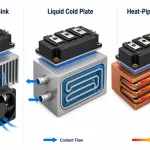
High-Performance Board Level Heat Sinks: Solving Heat Dissipation in High-Density PCBs
As electronic devices become smaller and more powerful, managing heat dissipation in high-density PCBs is increasingly challenging. PCB heat sinks provide an effective way to improve thermal management, helping prevent performance issues caused by overheating. This article examines how advanced board-level heat sinks can enhance reliability and efficiency in modern circuit designs.
Takeaway
- Recognizing the importance of heat sinks in preventing PCB overheating and maintaining optimal performance is crucial for engineers and designers.
- Understand the different types of PCB heat sinks, including active and passive options, and their uses based on specific heat dissipation needs.
- Design efficient heat sinks by focusing on key factors like material choice, thermal conductivity, and geometry to maximize performance.
- Consider custom heat sink solutions that align with unique PCB layouts and thermal requirements for improved functionality and integration.
- Stay updated on emerging trends in PCB heat sink technology, such as new materials and advanced cooling methods, to remain competitive in the industry.
Introduction to PCB Heat Sinks
Role of Heat Sinks in PCB Thermal Management
PCB heat sinks are essential for controlling heat generated by high-power components on compact printed circuit boards. As electronics become smaller, components like power transistors, surface-mounted devices (SMDs), and BGA packages produce significant heat that must be effectively dissipated to maintain performance and prevent failure. Heat sinks serve as passive thermal management tools, moving heat away from components and into the surrounding environment.
Materials such as extruded aluminum and copper are widely used for heat sinks due to their excellent thermal conductivity. Aluminum is lightweight and cost-effective, making it suitable for consumer electronics, while copper offers superior heat dissipation for high-performance applications. Thermal interface materials (TIM), like thermal pads, are often added between components and heat sinks to enhance thermal transfer.
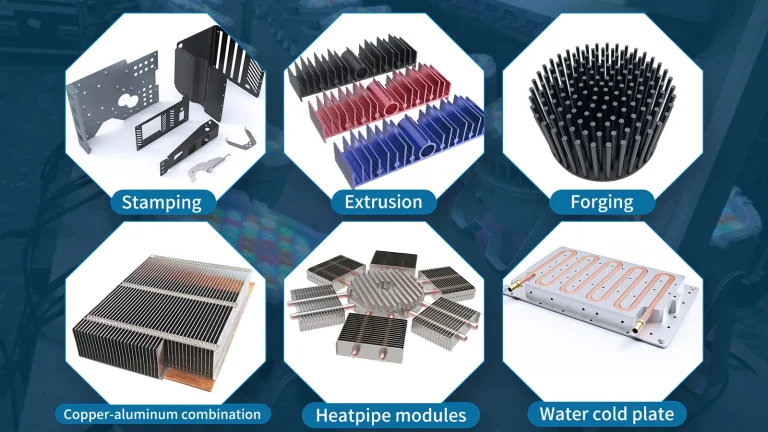
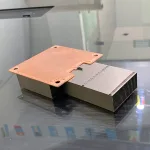
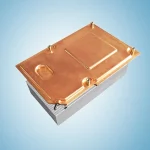
Innovative designs like stamped heat sinks and SMD heat sinks are tailored for specific needs. Stamped heat sinks are compact and ideal for low-profile devices, while board-level heat sinks are designed for densely packed PCBs that require precise cooling. These heat sinks help maintain optimal operating temperatures for devices like TO-220/TO-218 packages, ensuring reliability and extending device lifespan.
Challenges in High-Density PCB Heat Dissipation
High-density PCBs pose unique heat dissipation challenges due to limited space and tightly packed components. This layout restricts airflow, reducing the effectiveness of passive cooling. Additionally, increasing power density in modern electronics makes thermal management more complex, requiring advanced solutions like customized heat sinks and thermal vias.
One approach involves using thermal vias to channel heat from surface-mounted components to internal copper layers or external heat sinks. Another method includes incorporating thick copper traces to boost heat conduction across the board. These techniques are often enhanced with tools such as Computational Fluid Dynamics (CFD) simulations, which model airflow and optimize heat sink designs. Open-source tools like OpenFOAM are frequently used for refining cooling strategies in high-performance applications.
Emerging manufacturing trends are addressing these challenges. Metal-core PCBs, for example, integrate heat sinks directly into the board structure, minimizing thermal resistance. Quick-mounting options like solder pins and mounting clips also simplify installation during wave soldering, improving thermal management efficiency.
| Challenge | Solution |
|---|---|
| Limited airflow in high-density designs | Use thermal vias and advanced heat sink designs |
| High power density | Integrate thick copper traces and thermal pads |
| Complex mounting and assembly | Employ solder pins and mounting clips |
By using these solutions, manufacturers like Ecothermgroup provide specialized thermal management systems that boost the performance and durability of high-density PCBs. Their expertise in extruded aluminum heat sinks and custom designs ensures reliable heat dissipation, even in highly demanding applications.
Types of PCB Heat Sinks
Passive Heat Sinks vs. Active Heat Sinks
When choosing PCB heat sinks, understanding the distinction between passive and active options is essential. Passive heat sinks rely on natural convection, valued for their simplicity and reliability. These are commonly used in applications where noise and moving parts are undesirable, such as small devices or low-power systems. Active heat sinks, on the other hand, include components like fans to boost heat dissipation through forced convection. This makes them well-suited for densely packed PCBs with high heat loads, such as those involving power transistors or BGA cooling.
Ecothermgroup provides a variety of passive and active solutions to meet diverse thermal management demands in high-performance PCBs. The decision between these options typically depends on the specific thermal requirements and the space limitations of the PCB design.
Material Choices for Heat Sink Design
The material used in PCB heat sinks significantly affects their performance. Common choices include aluminum and copper, each offering unique benefits. Aluminum heat sinks are lightweight and cost-efficient, making them ideal for applications with moderate cooling needs. These are frequently used in extruded aluminum designs, known for their versatility and ease of manufacturing.
Copper heat sinks, by contrast, deliver superior thermal conductivity, making them the preferred choice for high-density and high-power applications. While more expensive, they excel in environments requiring efficient heat dissipation. Adding thermal interface materials (TIM), such as thermal pads or pastes, can further optimize heat transfer between the heat sink and the PCB.
| Material | Advantages |
|---|---|
| Aluminum | Lightweight, cost-efficient |
| Copper | Superior thermal conductivity |
For high-density PCBs, incorporating board-level heat sinks made from materials like copper can greatly enhance thermal performance. This process is often supported by advanced design tools and simulations, such as those offered by Ecothermgroup, to ensure optimal results in practical applications.
Designing High-Performance Heat Sinks
Thermal Resistance Calculation Techniques
Thermal resistance is a critical factor in designing efficient PCB heat sinks, as it determines how effectively the heat sink can transfer heat away from key components. Engineers calculate thermal resistance using the formula:
Rth = (Tjunction – Tambient) / Power
This formula represents the temperature difference between the heat source (such as a power transistor or BGA package) and the surrounding environment, divided by the power output in watts. Lower thermal resistance values indicate better heat dissipation. Many engineers use thermal analysis software or calculators to streamline these calculations and fine-tune designs for specific components and heat loads.
Material selection is another essential aspect of thermal resistance. Aluminum and copper are the most commonly used materials in PCB heat sinks. Aluminum offers good thermal conductivity at a lower cost and weight, while copper provides superior heat dissipation but is heavier and more expensive. Choosing between these materials involves balancing thermal performance and budget considerations.
| Material | Thermal Conductivity (W/m·K) |
|---|---|
| Aluminum | 205 |
| Copper | 385 |
Design Optimizations for Single-Layer Copper PCBs
Incorporating heat sinks into single-layer copper PCBs is a cost-effective way to manage heat dissipation in high-density boards. By attaching extruded aluminum or stamped heat sinks directly to the PCB surface, designers can enhance thermal management without significantly increasing production costs. This method works particularly well for surface-mounted devices (SMDs) and TO-220 or TO-218 packages, which generate concentrated heat during operation.
Optimizing the geometry of the heat sink is key to improving its performance. Wider fin spacing is better for natural convection cooling, while higher fin density is ideal for forced convection systems. Using thermal interface materials (TIMs), such as thermal pads or greases, further minimizes thermal resistance by improving contact between the heat sink and PCB components.
- Wider fin spacing for natural airflow
- High fin density for forced convection
- Effective use of thermal pads or grease
Additionally, mounting options such as clips, solder pins, or wave soldering can ensure secure attachment and long-term thermal stability. Brands like Ecothermgroup offer tailored solutions to meet various PCB layouts and heat dissipation needs.
CFD Simulation for Heat Sink Design
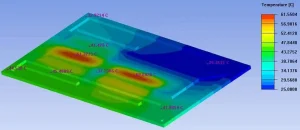
Computational Fluid Dynamics (CFD) simulation is a valuable tool for optimizing heat sink designs in high-density PCB applications. By analyzing airflow and heat dissipation patterns, engineers can identify potential hotspots and refine designs to enhance efficiency. Open-source tools like OpenFOAM are commonly used for these simulations, providing cost-effective yet reliable analysis capabilities.
For example, in a high-power PCB design featuring SMD heat sinks and BGA cooling, CFD analysis can evaluate the effects of forced airflow on thermal performance. Engineers can experiment with different fan placements, airflow rates, and heat sink geometries virtually, reducing reliance on physical prototypes and speeding up the design process.
Integrating thermal vias into multi-layer PCBs is another technique that pairs well with CFD simulation. These vias transfer heat from surface-mounted components to internal layers or directly to the heat sink, improving overall dissipation. Combining these strategies creates a comprehensive approach to addressing thermal challenges in modern electronic designs.
Custom Heat Sink Solutions
Tailoring Heat Sinks for High-Density Boards
High-density PCBs require custom heat sink solutions to ensure efficient thermal management. Standard heat sinks often fall short in meeting the demands of compact layouts, high-power components, and localized hotspots. Custom designs address these challenges by optimizing fin geometry, material selection, and mounting methods for specific applications. For example, Ecothermgroup creates bespoke solutions that integrate smoothly with densely packed boards while delivering excellent heat dissipation performance.
Designing heat sinks for high-density boards may include active cooling mechanisms or advanced thermal interface materials (TIMs) like thermal pads or pastes. These components improve heat transfer efficiency and reduce thermal resistance between the PCB and heat sink. Additionally, techniques like vertical or horizontal fin alignment are utilized to maximize airflow in tight spaces, ensuring efficient heat dissipation under both natural and forced convection conditions.
Mounting solutions are another critical aspect. High-performance heat sinks often include features like solder pins, mounting clips, or wave soldering compatibility to ensure secure integration with PCBs. This enhances operational stability and mitigates thermal cycling effects. Addressing these design elements allows custom solutions to significantly enhance the reliability and lifespan of electronic devices.
Material Flexibility and Quick Turnarounds
Material selection is key to the performance of custom PCB heat sinks. Aluminum is popular for its lightweight properties and cost-effectiveness, while copper excels in applications demanding high thermal conductivity. Both materials can be adapted for manufacturing techniques such as extrusion, stamping, or CNC machining to achieve precise geometries. Ecothermgroup leverages these materials to create solutions suited to complex layouts, including SMD heat sinks and BGA cooling modules.
Quick turnaround times are critical for industries requiring rapid prototyping or production scaling. Advanced manufacturing processes like photochemical etching enable faster production of intricate heat sink designs, ensuring compatibility with high-density boards. This adaptability supports innovation across sectors such as telecommunications, automotive electronics, and industrial IoT.
The table below highlights the benefits of aluminum and copper for heat sink applications:
| Material | Key Benefits |
|---|---|
| Aluminum | Lightweight, cost-effective, suitable for large production volumes |
| Copper | Superior thermal conductivity, ideal for high-power applications |
Ecothermgroup’s expertise ensures custom heat sink solutions that balance performance, cost, and production speed, making them a trusted partner for PCB manufacturers looking to optimize thermal management in high-density designs.
- Uses advanced TIMs for enhanced heat transfer
- Customizes fin geometries for specific layouts
- Delivers quick prototypes using advanced manufacturing techniques
- Offers custom mounting options for secure PCB integration
Future Trends in PCB Heat Sink Technology
Advanced Materials for Thermal Management
The materials used in PCB heat sinks continue to evolve, driving improved thermal performance in high-density electronics. Aluminum and copper remain widely used for extruded aluminum and copper heat sinks due to their efficient heat dissipation properties. However, advanced composites and specialized prepregs are emerging as promising alternatives. These materials outperform traditional FR-4 substrates, offering better thermal conductivity and reliability, especially in compact designs where effective heat management is crucial.
Embedded heat sinks, which are integrated directly into the PCB structure, are also becoming more popular. This approach reduces the overall height of the PCB assembly, making it suitable for space-constrained applications like SMD heat sinks and BGA cooling. Additionally, thermal interface materials (TIMs), such as thermal pads and phase-change materials, are being refined to reduce thermal resistance between components and heat sinks, ensuring efficient heat transfer.
| Material | Thermal Conductivity (W/mK) |
|---|---|
| Aluminum | 205 |
| Copper | 385 |
| Advanced Prepregs | Up to 20 (varies) |
| FR-4 | 0.3-0.4 |
With companies like Ecothermgroup driving innovation, the adoption of hybrid materials that combine metals and composites is expected to rise. These materials strike a balance between thermal performance, weight, and cost, making them a valuable solution for modern electronics.
Integration of Metal-Core PCBs
Metal-core PCBs (MCPCBs) are emerging as a go-to solution for managing heat in high-power and high-density applications. By incorporating aluminum or copper cores within the PCB, MCPCBs enhance heat dissipation for components such as power transistors and TO-220 or TO-218 packages. These designs are particularly beneficial in industries like automotive and LED lighting, where heat-related issues can impact performance and reliability.
A major benefit of MCPCBs is their ability to evenly distribute heat across the board, reducing hotspots and extending the lifespan of surface-mounted devices. Advanced manufacturing techniques, such as wave soldering and mounting clips with solder pins, are evolving to support these specialized boards, ensuring they integrate smoothly into existing production processes.
- Enhanced thermal conductivity for high-density designs
- Suitable for compact applications with limited airflow
- Compatible with standard manufacturing processes
As technology evolves, the combination of MCPCBs with active cooling solutions, such as heat sinks equipped with fans, may become essential for devices operating at higher power densities. These innovations, coupled with computational fluid dynamics (CFD) tools like OpenFOAM for thermal analysis, will allow engineers to develop tailored cooling solutions for specific needs.
With the growing demand for advanced board-level heat sinks, companies like Ecothermgroup are at the forefront of delivering cutting-edge thermal management solutions that meet the needs of modern electronics.
People Also Ask
What is a PCB heat sink, and why is it important?
A PCB heat sink helps dissipate heat generated by electronic components on a printed circuit board (PCB). This prevents overheating, which can damage components, reduce performance, and shorten the device’s lifespan.
What are the main types of PCB heat sinks?
The main types of PCB heat sinks include bonded-fin heat sinks, extruded heat sinks, and integrated heat sinks, such as those used with metal-core PCBs. Each type offers specific advantages depending on the thermal needs and design of the board.
How does integrating a heat sink into a single-layer copper PCB improve thermal management?
By integrating a heat sink into a single-layer copper PCB, thermal management improves due to copper’s high thermal conductivity. This method enhances heat dissipation while remaining cost-effective, making it suitable for high-density applications.
What factors should be considered when designing a high-performance PCB heat sink?
Important factors include thermal resistance, airflow design, material selection (such as aluminum or copper), and the heat dissipation needs of the components. Computational tools like CFD simulations can also help optimize the design for better efficiency.
How do custom heat sink solutions benefit high-density PCBs?
Custom heat sink solutions are tailored to specific PCB designs and thermal demands, ensuring effective heat dissipation for high-density boards. They allow for flexibility in materials, shapes, and sizes to meet the requirements of complex devices.
What are the common materials used for PCB heat sinks, and why?
Aluminum and copper are widely used for PCB heat sinks because of their excellent thermal conductivity. Aluminum is lightweight and affordable, while copper provides better heat dissipation but is heavier and more expensive.
How can CFD simulations improve PCB heat sink performance?
CFD simulations optimize heat sink designs by modeling airflow and heat dissipation. This helps engineers identify thermal bottlenecks and improve the cooling system’s overall performance.
What are the emerging trends in PCB heat sink technology for high-density applications?
Emerging trends include advanced materials like graphene and metal-core PCBs, along with innovations in integrated heat sinks. These developments aim to tackle the growing heat dissipation challenges in high-density and high-power PCBs.