Vapor Chamber Heat Sink Manufacturing: Reliable Two-Phase Cooling for Aerospace & Defense
Efficient thermal management poses a significant challenge in aerospace and defense, where high-performance systems must function under extreme conditions. Vapor chambers and heat sinks provide dependable two-phase cooling solutions, ensuring systems maintain optimal performance and durability in tough environments. This article examines the manufacturing processes behind these cutting-edge technologies and their role in supporting mission-critical systems.
Takeaway
- Vapor chambers are sophisticated cooling devices that use phase change mechanisms to improve heat dissipation, making them ideal for high-performance systems.
- Combining vapor chambers with heat sinks enhances thermal conductivity, minimizes hotspots, and promotes even heat distribution across critical components.
- The production of vapor chamber heat sinks involves precise methods like vacuum brazing, sintered wick structures, and rigorous quality checks to ensure reliability in demanding conditions.
- Aerospace and defense sectors depend on vapor chamber heat sinks to cool vital systems such as avionics, radar equipment, and high-power electronics operating under extreme conditions.
- Advancements include smaller vapor chamber designs and the use of innovative materials like graphene coatings to address the need for lightweight, high-performance cooling solutions.
- The demand for vapor chamber heat sinks in aerospace and defense is expected to grow rapidly due to increasing thermal management challenges in compact, high-powered systems.
- Partnerships between manufacturers and defense contractors are driving innovation, ensuring vapor chamber heat sinks meet strict durability and reliability standards for military and aerospace applications.
Introduction to Vapor Chambers and Heat Sinks
What Are Vapor Chambers?
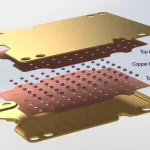
Vapor chambers are advanced thermal management components that use phase-change cooling to efficiently dissipate heat. They rely on the high thermal conductivity of materials like copper and aluminum, combined with internal wicking structures such as sintered copper powder or copper mesh wick, to move heat away from high-density areas. By converting liquid to vapor and back, vapor chambers evenly distribute temperature across their surfaces, reducing thermal resistance and eliminating hot spots. This makes them ideal for applications requiring precise thermal control, such as aerospace electronics and military-grade systems.
The manufacturing process uses techniques like vacuum brazing and hermetic sealing to ensure reliability under extreme conditions. These chambers are often integrated into hybrid cooling systems, combining passive and active elements like heat sinks or liquid loops for optimal performance. Their ability to manage high heat flux density with exceptional heat spreading efficiency has made them essential in modern aerospace and defense technologies.
Overview of Heat Sinks and Their Role
Heat sinks are mechanical devices designed to enhance heat dissipation from high-power components. They typically consist of a base plate, often made from aluminum extrusion or copper, and fins that increase surface area for better heat transfer to the surrounding air. When paired with vapor chambers, heat sinks deliver significant performance improvements, especially in applications with high thermal design power (TDP) requirements.
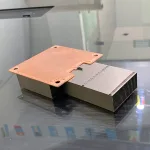
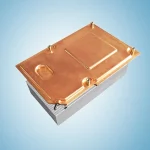
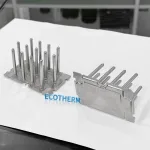
In aerospace and defense, skived fin integration is a common design approach where fins are cut directly from the base material, improving thermal conductivity and durability. Adding a vapor chamber base to a heat sink significantly reduces thermal resistance (Rth) and improves isothermal properties, making it ideal for high-performance systems like radar modules, IGBT thermal management, and AI server cooling. Below is a comparison of vapor chamber heat sinks and traditional heat sinks:
| Feature | Vapor Chamber Heat Sink | Traditional Heat Sink |
|---|---|---|
| Thermal Efficiency | High | Moderate |
| Weight-to-Performance Ratio | Optimized | Higher weight |
| Hot Spot Elimination | Excellent | Limited |
| Durability in Extreme Conditions | Military-grade | Standard |
Relevance in Aerospace and Defense Applications
The aerospace and defense sectors demand thermal solutions that offer reliability, efficiency, and lightweight properties. Vapor chambers and heat sinks are ideally suited to meet these requirements. For example, in unmanned aerial vehicles (UAVs) and remote telecom base stations, their low weight and high thermal performance ensure stable operation under harsh environmental conditions. Similarly, military systems like radar electronics and space platforms benefit from their ability to handle intense heat loads while maintaining structural integrity.
Ecothermgroup specializes in manufacturing high-performance vapor chamber heat sinks designed to meet the rigorous demands of aerospace and defense. By combining advanced materials like copper and aluminum with cutting-edge manufacturing techniques, their solutions deliver outstanding heat spreading efficiency and durability. Whether managing the TDP of AI servers or improving cooling in military-grade electronics, vapor chambers and heat sinks continue to set the standard for thermal management in mission-critical applications.
How Vapor Chambers Enhance Heat Sink Performance
Two-Phase Cooling Mechanism
Vapor chambers use a two-phase cooling process to improve thermal management efficiency. This process involves the liquid inside the chamber evaporating upon contact with high-temperature surfaces, absorbing heat. The vapor spreads uniformly across the chamber, promoting rapid thermal dissipation and preventing hot spots. As the vapor condenses back into liquid, it flows back to the heat source via a wick structure, enabling continuous cooling without the need for active components. This phase-change process reduces thermal resistance (Rth) more effectively than traditional heat sink designs, making vapor chambers ideal for aerospace electronics and defense equipment where reliability under extreme conditions is essential.
Ecothermgroup incorporates advanced wicking materials like copper mesh and sintered copper powder into its vapor chamber designs to enhance fluid movement and increase heat flux density. These features are vital for applications such as IGBT thermal management and AI server cooling, where maintaining consistent temperature gradients is crucial.
Improved Thermal Conductivity and Heat Spreading
Vapor chambers outperform conventional heat sinks in thermal conductivity and heat spreading. Unlike aluminum extrusion bases or standard copper heat spreaders, vapor chambers distribute heat evenly across their surface using an isothermal approach. This allows them to handle high TDP (Thermal Design Power) scenarios, such as those in military-grade systems and remote telecom base stations, without compromising performance or longevity.
When paired with skived fin integration or hermetic sealing, vapor chambers further enhance heat dissipation, ensuring durability against vibration and mechanical stress. For aerospace applications, Ecothermgroup employs vacuum brazing techniques to ensure robust assembly and maintain structural integrity under extreme thermal loads. The following table highlights key thermal performance improvements:
| Feature | Traditional Heat Sink | Vapor Chamber |
|---|---|---|
| Thermal Conductivity | 200 W/mK (Copper) | 400 W/mK+ |
| Heat Spreading Efficiency | Moderate | High |
| Hot Spot Elimination | Low | Excellent |
| Thermal Resistance (Rth) | Higher | Lower |
Weight Reduction and Design Flexibility
One major advantage of vapor chambers is their ability to reduce weight while maintaining high-performance thermal management. This is especially important for aerospace and defense systems where the weight-to-performance ratio is critical for design optimization. Vapor chambers are often made with lightweight materials like aluminum for their bases while using copper for the wicking structure to balance weight and conductivity.
Ecothermgroup specializes in producing custom vapor chamber assemblies tailored to specific industry needs, such as compact designs for avionics or ruggedized solutions for military applications. Their expertise ensures systems meet stringent standards like MIL-STD for reliability and durability. Vapor chambers also offer design flexibility, enabling integration into passive and active cooling systems based on application requirements.
- Improved performance in weight-sensitive environments
- Custom configurations for aerospace-grade electronics
- Smooth integration with current thermal management systems
By combining exceptional heat spreading efficiency with lightweight construction, vapor chambers provide a scalable solution for advanced cooling in high-heat density systems, ensuring reliability across varied applications.
Manufacturing Process of Vapor Chamber Heat Sinks
Material Selection and Properties
Material choice is a crucial part of manufacturing vapor chambers and heat sinks, especially for demanding aerospace and defense applications. Copper is commonly selected for its excellent thermal conductivity, allowing efficient heat management and spreading of high heat flux density. In weight-sensitive designs, aluminum vapor chambers are increasingly preferred, offering a good balance between heat performance and reduced weight. These materials must meet strict standards for durability, thermal resistance (Rth), and structural integrity under extreme conditions.
Military-grade vapor chambers often use advanced coatings to resist corrosion and improve long-term reliability. Ecothermgroup utilizes these material advantages to create durable solutions capable of handling TDP requirements for AI server cooling, IGBT thermal management, and aerospace electronics.
| Material | Key Property |
|---|---|
| Copper | High thermal conductivity |
| Aluminum | Lightweight with moderate thermal efficiency |
Wicking Structures and Their Importance
Wicking structures are essential for vapor chambers, enabling consistent phase-change cooling. These include sintered copper powder and copper mesh wicks, which facilitate capillary movement of the working fluid for rapid heat transfer and uniform temperature distribution across the chamber surface. The choice of wicking material directly impacts the heat sink’s ability to eliminate hot spots and maintain stable performance.
For applications like remote telecom base stations or military systems operating under harsh conditions, precision-engineered wicks are crucial. Ecothermgroup combines skived fin designs with sintered wicks to optimize heat dissipation while maintaining compact dimensions suitable for space-limited setups.
- Sintered copper powder: Ideal for high-density heat dissipation
- Copper mesh wick: Lightweight and efficient
- Skived fin integration: Enhanced thermal performance
Precision Assembly and Testing
The assembly of vapor chamber heat sinks requires meticulous precision to ensure hermetic sealing, which prevents fluid leakage and ensures consistent phase-change cooling throughout the product’s lifespan. During production, the chamber is vacuum-sealed, filled with the ideal fluid amount (typically water), and subjected to comprehensive testing to confirm thermal resistance and heat spreading capabilities.
Testing processes include thermal cycling, durability assessments, and performance evaluation under simulated aerospace and defense conditions. For high-reliability systems such as military-grade applications, Ecothermgroup applies advanced quality control methods to ensure smooth integration with active and passive cooling systems. These steps verify hot spot elimination and consistent TDP management, ensuring the final product meets the demanding standards of aerospace electronics and IGBT thermal management.
| Process | Purpose |
|---|---|
| Hermetic Sealing | Prevent fluid leakage |
| Thermal Testing | Validate heat spreading efficiency |
| Durability Checks | Ensure reliability under extreme conditions |
Applications in Aerospace and Defense
High-Performance Systems in Aerospace
Vapor chambers and heat sinks are essential for efficient thermal management in high-performance aerospace systems. Modern spacecraft and aircraft increasingly rely on compact and lightweight designs, driving the need for solutions with exceptional heat spreading and low thermal resistance. Vapor chambers, with thermal conductivity up to 200 times greater than solid copper, are ideal for dissipating heat in tight spaces while maintaining optimal weight-to-performance ratios.
In avionics, where thermal design power (TDP) requirements are stringent, vapor chamber heat sinks ensure uniform temperature distribution across critical components. This is particularly important in radar electronics, satellite modules, and AI-based navigation systems, where eliminating hot spots is crucial. Ecothermgroup has successfully integrated vapor chambers with aluminum extrusion bases and skived fin structures to enhance heat dissipation in aerospace-grade electronics.
| Aerospace Application | Vapor Chamber Benefit |
|---|---|
| Avionics | Uniform heat spread for critical components |
| Satellite modules | Lightweight cooling for compact designs |
| Radar systems | Hot spot elimination under high TDP |
Mission-Critical Defense Equipment
In the defense sector, vapor chambers are vital for cooling mission-critical equipment such as power-intensive radar systems, IGBTs (Insulated Gate Bipolar Transistors), and advanced communication systems. These systems demand efficient heat management to ensure reliable operation in challenging conditions. Vapor chambers outperform traditional heat pipes by spreading heat over larger areas and handling higher power densities, allowing consistent performance.
The military-grade reliability of vapor chamber heat sinks is enhanced by manufacturing features such as hermetic sealing to prevent contamination and sintered copper powder or copper mesh wick structures for better phase-change cooling. These designs ensure vapor chambers withstand thermal cycling, high mechanical shock, and extreme temperature variations, making them ideal for ruggedized defense systems deployed in remote locations.
- Improved thermal stability for defense electronics
- Enhanced durability for field-deployed equipment
- Support for high-heat flux components in compact systems
Handling Extreme Environments and High Heat Flux
Aerospace and defense systems often operate in extreme environments like high heat, microgravity, and rapid thermal cycling. Vapor chambers excel in these conditions with their passive cooling and ability to handle high heat flux densities. Unlike active cooling systems, vapor chambers avoid mechanical parts, reducing failure risks while ensuring consistent performance over long durations.
For remote telecom base stations supporting defense communications or aerospace electronics in orbit, vapor chambers integrated with heat sinks provide robust solutions. Advanced manufacturing techniques, such as combining aluminum bases with sintered copper wick structures, further boost efficiency to meet demanding industry standards.
| Extreme Condition | Vapor Chamber Advantage |
|---|---|
| Microgravity | Reliable heat transfer without moving parts |
| Thermal cycling | Durable thermal resistance under fluctuating temperatures |
| High mechanical shock | Hermetically sealed for long-term reliability |
The adaptability of vapor chambers and heat sinks to extreme conditions highlights their importance in aerospace and defense applications. By leveraging advanced materials and manufacturing processes, brands like Ecothermgroup provide lightweight, efficient, and reliable cooling solutions tailored to the unique demands of these industries.
Emerging Trends and Market Outlook
Adoption of Aluminum Vapor Chambers
The aerospace and defense industries are increasingly turning to aluminum vapor chambers for their impressive weight-to-performance ratio and cost advantages. Traditional copper vapor chambers are known for their excellent thermal conductivity but can be impractical for weight-sensitive applications. Aluminum variants address this by being significantly lighter while still offering sufficient thermal properties for high-performance systems. This shift reflects the growing need for lightweight solutions in aerospace electronics, where reducing weight enhances fuel efficiency and payload capacity.
Although aluminum vapor chambers have slightly lower thermal conductivity compared to copper, advances in manufacturing techniques—such as sintered copper powder and copper mesh wick integration—are improving their heat flux density and isothermal properties. For example, Ecothermgroup has developed hybrid designs that combine aluminum extrusion bases with copper wicking structures, balancing weight reduction with strong thermal performance.
Projected Growth in Aerospace and Defense
The global market for vapor chambers and heat sinks is projected to grow significantly between 2024 and 2030, driven by the increasing use of advanced thermal management systems in aerospace and defense. Analysts predict a compound annual growth rate (CAGR) of over 7% for two-phase cooling solutions like vapor chambers, especially in regions heavily investing in military-grade electronics and satellite systems.
This market growth is propelled by the demand for enhanced thermal resistance (Rth) and efficient heat spreading in high-power applications such as AI server cooling, remote telecom base stations, and IGBT thermal management. Trends in miniaturization and higher power densities are also pushing manufacturers toward innovation. For example, military-grade reliability standards have led to the development of hermetically sealed vapor chambers, which maintain consistent performance under extreme temperatures and harsh conditions.
| Key Market Drivers | Impact on Growth |
|---|---|
| Increased demand for lightweight aerospace systems | Boosts adoption of aluminum vapor chambers |
| Rising power densities in modern electronics | Drives need for advanced heat dissipation |
| Growing focus on sustainability | Encourages energy-efficient manufacturing |
Innovations in Lightweight and High-Power Designs
Recent advancements in vapor chamber manufacturing are tackling the dual challenges of reducing weight and managing high power density. Innovations like skived fin integration and improved hermetic sealing techniques are enabling heat sinks to handle higher TDPs while maintaining durability and performance. These features are especially critical for aerospace systems that must reliably perform under extreme conditions.
Another key trend is the use of phase-change cooling systems that incorporate hybrid materials. By combining aluminum bases with advanced wicking structures, manufacturers are achieving exceptional levels of heat spreading efficiency, which is vital for eliminating hot spots in compact, high-performance electronics. In defense applications such as avionics and weapon systems, these advancements ensure thermal stability and operational reliability in demanding environments.
- Improved thermal performance through hybrid material integration
- Development of recyclable components for sustainability
- Focus on passive cooling solutions to reduce energy consumption
Looking ahead, companies like Ecothermgroup are set to play a leading role, leveraging their expertise in creating lightweight, high-performance vapor chambers designed for the unique needs of aerospace and defense. This promising trajectory highlights the ongoing innovation driving next-generation thermal management solutions in these sectors.
People Also Ask
What are vapor chambers, and how do they differ from traditional heat sinks?
Vapor chambers are advanced heat spreaders that use two-phase cooling to transfer heat efficiently. Unlike traditional heat sinks, which rely only on conduction, vapor chambers use a sealed structure with a working fluid that evaporates and condenses to manage high heat flux effectively.
How do vapor chambers enhance the performance of heat sinks in aerospace and defense applications?
Vapor chambers improve heat sink performance by distributing heat more evenly across the base, which reduces thermal resistance. This is especially important in aerospace and defense, where high-power density and reliable operation in extreme conditions are critical.
What materials are commonly used in manufacturing vapor chamber heat sinks for aerospace and defense?
Common materials include copper and lightweight aluminum, valued for their excellent thermal conductivity and weight advantages. For aerospace applications, aluminum is often preferred to meet strict weight requirements while maintaining high thermal performance.
What role do wicking structures play in vapor chamber functionality?
Wicking structures enable the return of condensed liquid to the heat source within the vapor chamber, ensuring the two-phase cooling process operates continuously. This design is essential for reliable performance in high-heat flux environments.
What are the main applications of vapor chamber heat sinks in aerospace and defense industries?
Vapor chamber heat sinks are used to cool high-performance electronics, radar systems, avionics, and mission-critical defense equipment. Their ability to handle extreme heat levels makes them ideal for these demanding applications.
How is the manufacturing process of vapor chamber heat sinks tailored for aerospace and defense requirements?
Manufacturing involves precision sealing, careful material selection, and stringent quality control to ensure reliability in harsh conditions. Aerospace and defense applications demand lightweight designs and rigorous testing to meet strict performance and safety standards.
What are the emerging trends in vapor chamber technology for aerospace and defense?
Emerging trends include the use of lightweight materials like aluminum, advanced manufacturing techniques for improved reliability, and integration with cutting-edge electronics to manage increasing thermal demands. These innovations aim to address evolving challenges in aerospace and defense sectors.
Why are vapor chambers considered more efficient than traditional cooling methods for high-heat applications?
Vapor chambers distribute heat more uniformly and handle higher heat loads due to their two-phase cooling process. This makes them far more efficient for high-power density applications compared to traditional cooling methods such as fin-based heat sinks.