Advancements in Liquid Cooling Technology
Advancements in Electronic Device Cooling and Liquid Cooling Technology
With the rapid development of communication technologies, the thermal power of electronic components has been steadily increasing, with power consumption rising by approximately 30% to 50% per product generation. The heat flux density of chips is continuously increasing, directly impacting heat dissipation efficiency and device reliability. At the same time, traditional air cooling methods, due to their low heat dissipation efficiency, high noise levels, high energy consumption, and large spatial footprint, are struggling to meet the demands of high-power devices. This has made liquid cooling technology one of the key solutions for addressing high-density thermal management challenges.
The Rise of Liquid-Cooled Data Centers
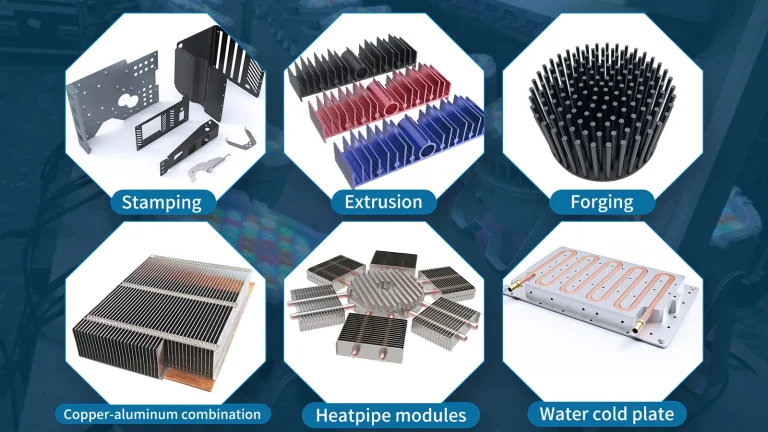
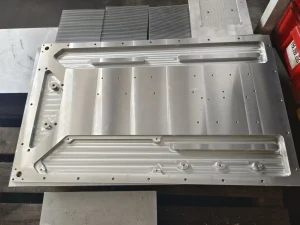
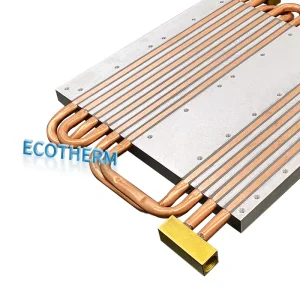
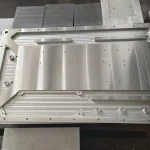
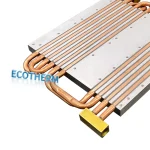
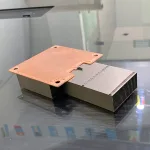
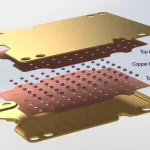
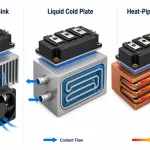
Driven by the growing demand for efficient heat dissipation in data centers, liquid cooling technology has gradually become a mainstream solution. Liquid-cooled data centers, particularly those employing indirect liquid cooling systems, have emerged to provide superior cooling solutions. Liquid cooling plates, as the core components of two-phase or single-phase liquid cooling systems, effectively solve the heat problems generated by electronic components through a strong convective heat transfer mechanism. These cooling plates make direct contact with the surface of the electronic components, transferring heat to the working fluid via thermal conduction, which is then carried away through convective heat transfer, thereby efficiently lowering the temperature of chips and devices.
Chip Heat Dissipation and Device Reliability
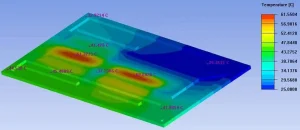
The heat dissipation of chips is directly related to the performance and lifespan of the device. According to relevant research, the failure rate of electronic components in the communications sector is exponentially related to temperature: for every 10°C increase in temperature, the failure rate doubles. Therefore, proper heat management is critical. Compared to traditional air cooling, liquid cooling technology not only provides superior heat dissipation performance but also features a shorter heat transfer path, more effectively controlling temperature rise and preventing overheating-induced failures.
Advantages of Liquid Cooling Technology
Liquid cooling technology, especially indirect liquid cooling, has gradually become an important cooling method in data centers due to its high heat dissipation capacity, noise reduction, energy efficiency, and environmental friendliness. Compared to traditional air cooling, liquid cooling technology can:
Enhance Heat Dissipation Efficiency
Liquid cooling systems efficiently conduct and remove heat, making them suitable for the cooling demands of high heat flux density devices.Reduce Energy Consumption
Due to the higher heat exchange efficiency of liquid cooling systems, the cooling demands of the data center are reduced, thus lowering overall energy consumption.
Reduce Noise Pollution
Liquid cooling eliminates the high noise issues inherent in traditional air cooling systems, providing a quieter operating environment for equipment.Save Space
Liquid cooling systems occupy less space compared to air cooling systems, thus improving space utilization within the data center.
Green Energy Efficiency and Environmental Adaptability of Liquid Cooling Technology
With the increasing global focus on environmental protection and energy conservation, liquid cooling technology has emerged as a key direction for green and energy-efficient retrofitting in data centers, especially suited for high-power, high-heat flux density devices. Liquid cooling systems can significantly reduce energy consumption in data centers, lower the failure rates and maintenance costs associated with overheating, and improve the overall economic efficiency of the data center.
Policy and Technological Requirements
In accordance with new technological developments and policy requirements, the design and application of liquid cooling systems need to consider the following aspects:
Environmental Regulations
The working fluid used in liquid cooling systems must comply with environmental standards to ensure that the equipment does not cause pollution over extended periods of operation.Energy Efficiency Standards
Liquid cooling systems must meet international and regional energy consumption standards, improving the overall system energy efficiency and reducing carbon emissions.Adaptability and Compatibility
Liquid cooling technology must be compatible with various high-power devices, ensuring efficient operation under varying temperature and humidity conditions.System Intelligence
With the advancement of the Internet of Things (IoT) technologies, liquid cooling systems are progressively integrating intelligent monitoring and control functions, enabling adaptive adjustments and fault warnings to enhance system reliability and operational efficiency.
The application of liquid cooling technology in data centers not only provides efficient heat dissipation solutions but also aligns with modern demands for green energy efficiency and environmental protection. As device power consumption and heat flux density continue to increase, liquid cooling technology will further develop to address the thermal dissipation and energy efficiency challenges currently faced by data centers, becoming a crucial technology for supporting high-performance computing environments in the future.