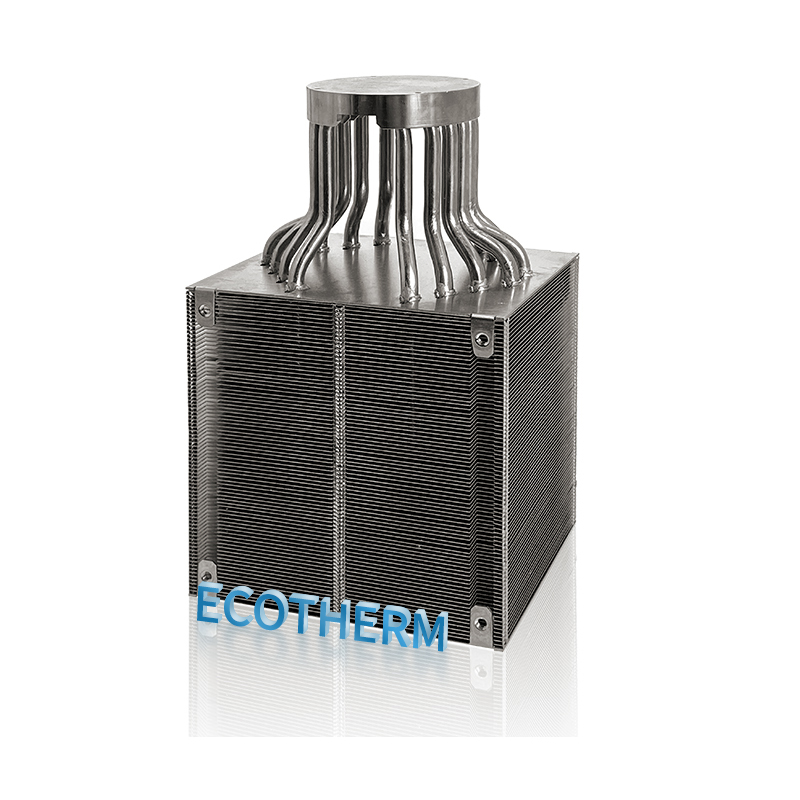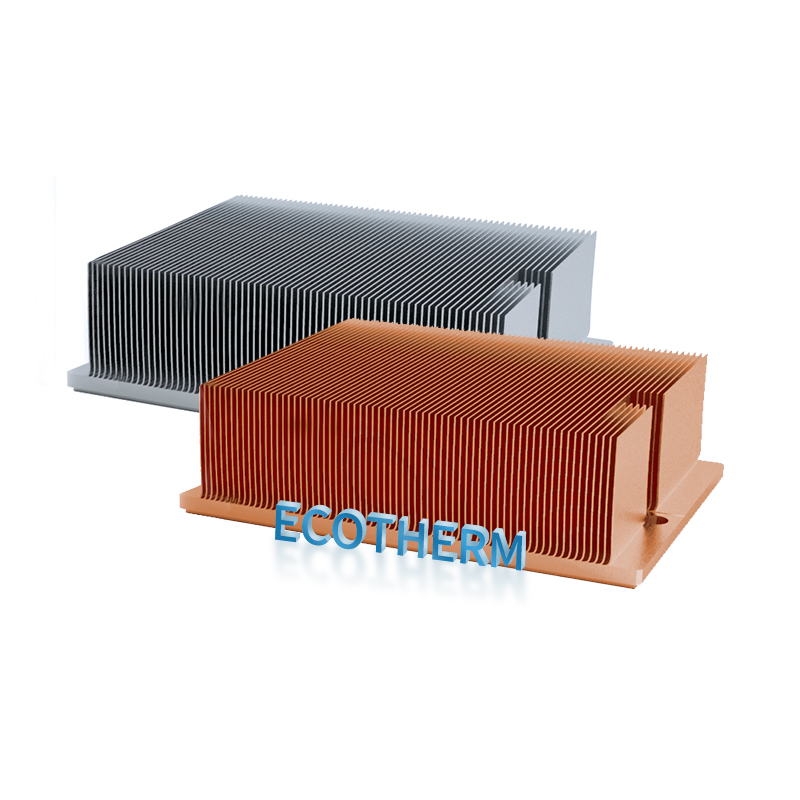

GPU Vapor Chamber Heatsink with Pass-Through Fins: Engineering High-TDP Solutions
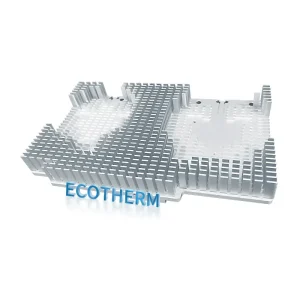
As GPU and AI accelerator power consumption exceeds 350W, traditional heat pipe modules face thermal bottlenecks. The integration of a GPU vapor chamber heatsink with high-density zippered fins represents the pinnacle of air-cooling technology. This product page provides a data-driven engineering analysis of why this specific hybrid module is the ultimate choice for high-performance graphics cards and server PCIe accelerators.
Why Choose a “Vapor Chamber + Pass-Through Heatsink Fins” Design?
The thermal architecture of modern high-end GPUs relies heavily on airflow management. A “vapor chamber + pass-through heatsink fins” design is revolutionary because it solves the chassis-level heat recirculation problem.
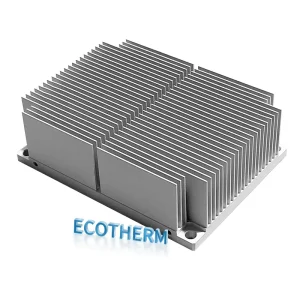
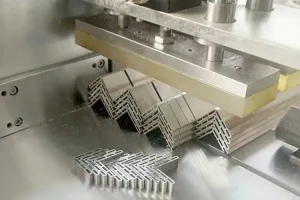
The Pass-Through Advantage: Traditional coolers trap exhausted hot air against the graphics card PCB. By utilizing a shortened PCB combined with pass-through (flow-through) zippered fins, the secondary fan pushes air directly through the heatsink and upward into the chassis exhaust path.
Aerodynamic Data: Engineering simulations show that pass-through fin designs reduce localized aerodynamic impedance by up to 30%. This prevents hot air from recirculating around the GPU memory (VRAM) and VRM zones, lowering overall ambient chassis temperature by approximately 4°C to 6°C in dense server setups.
Thermal Performance vs. Reference Design Graphics Card (e.g., RTX 3090)
The dual-fan, flow-through design was popularized by high-end consumer hardware, such as the “vapor chamber + pass-through heatsink fins” RTX 3090 reference models. As a direct manufacturer, we engineer custom solutions that meet or exceed these reference design thermal metrics for B2B clients.
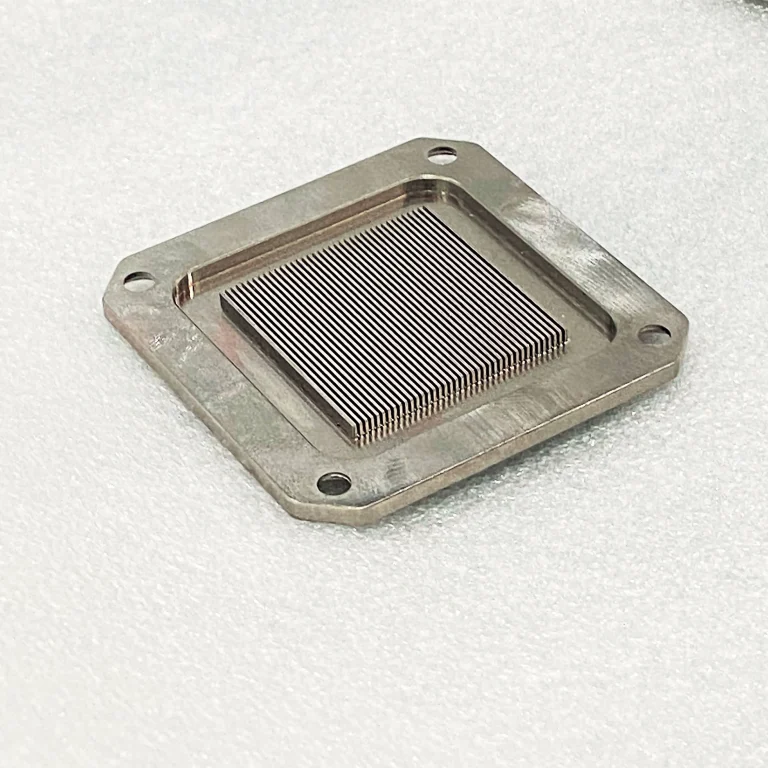
TDP Capacity: Our custom GPU vapor chambers utilize a highly porous sintered copper wick structure, enabling rapid two-dimensional phase-change heat transfer. This module is engineered to comfortably dissipate thermal design power (TDP) loads of 350W to 450W without thermal throttling.
Delta-T Reduction: When applied to a reference design graphics card, the VC spreads the concentrated heat of the GPU die instantly across the entire zipper fin array, eliminating the 10°C-15°C temperature delta typically found at the edges of traditional heat pipe arrays.
VC Heatsink vs. Traditional Copper Base: A Data-Driven Comparison
Why upgrade to a VC heatsink instead of a solid copper block? The answer lies in thermal conductivity and weight management.
Thermal Conductivity Data: Solid C1100 copper has a thermal conductivity of roughly 400 W/m·K. A properly designed vapor chamber exhibits an effective thermal conductivity of 5,000 to 10,000 W/m·K.
Weight Reduction: High-performance GPUs suffer from PCB bending due to massive copper coolers. A vapor chamber is hollow (containing a vacuum and working fluid). Replacing a 10mm thick solid copper base with a 3mm vapor chamber reduces the base weight by up to 40% while delivering superior heat spreading, ensuring structural integrity for rack-mounted equipment.
Customizing the Vapor Chamber Pass-Through Heatsink Fins Graphics Card Cooler
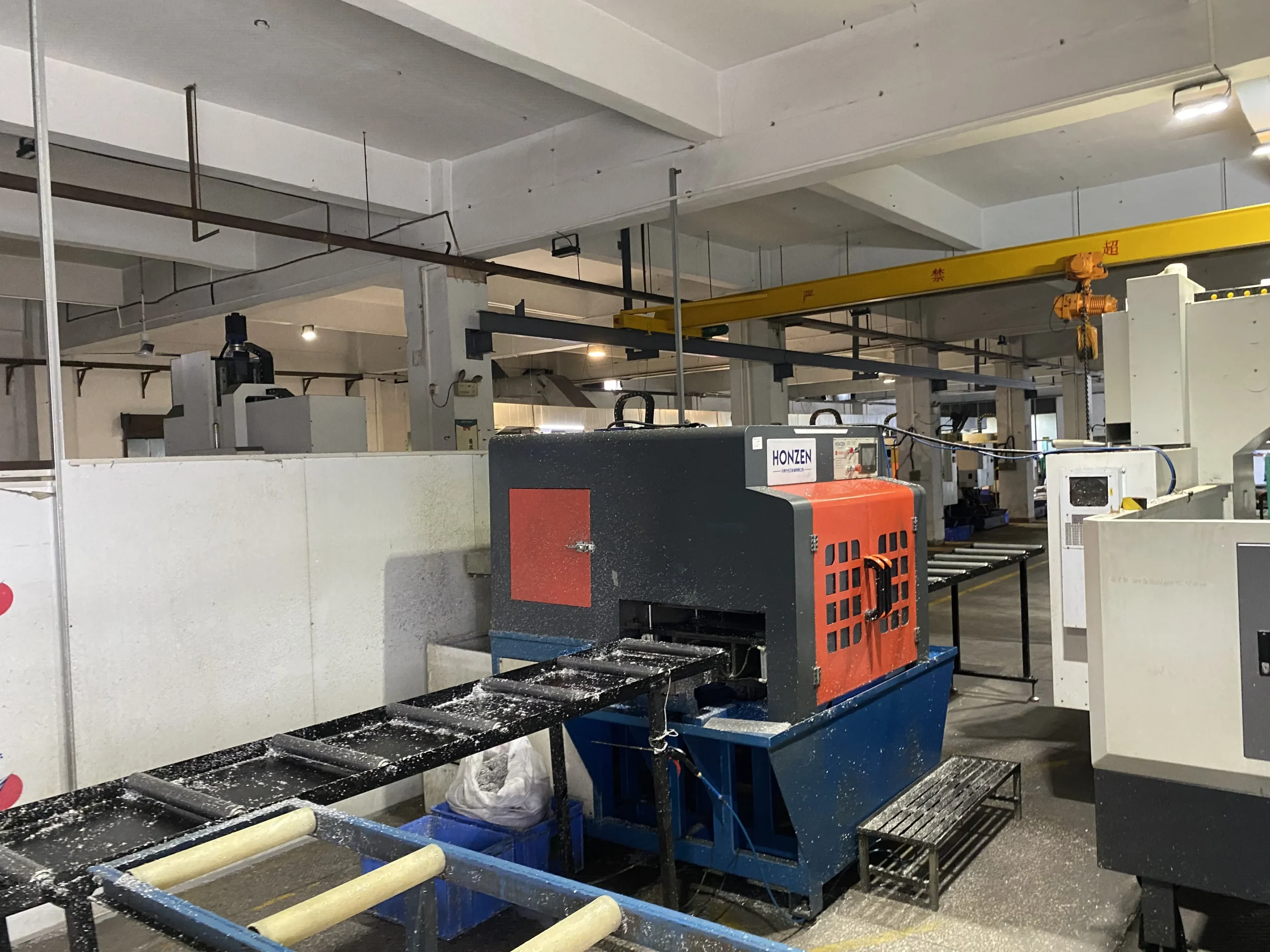
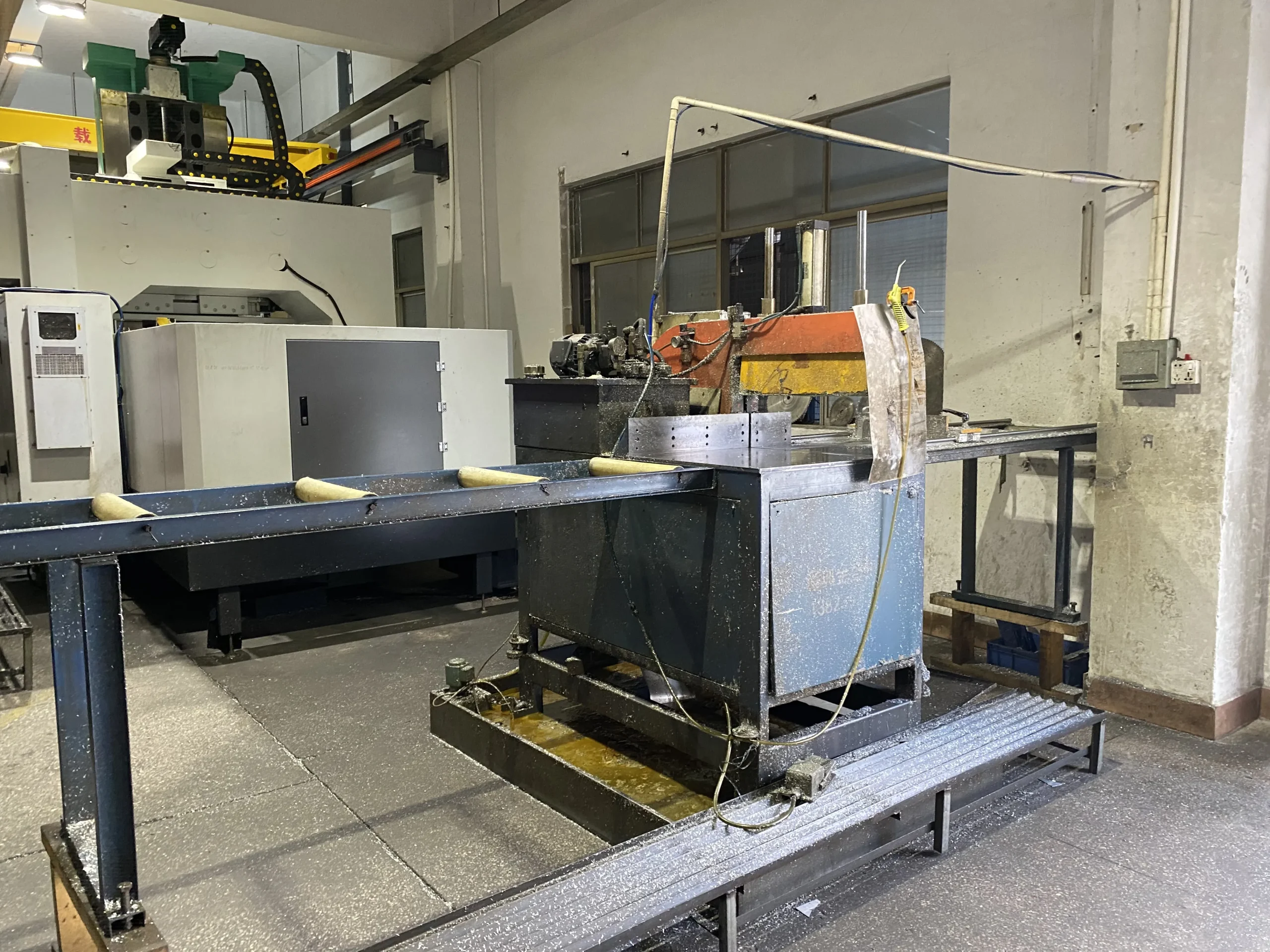
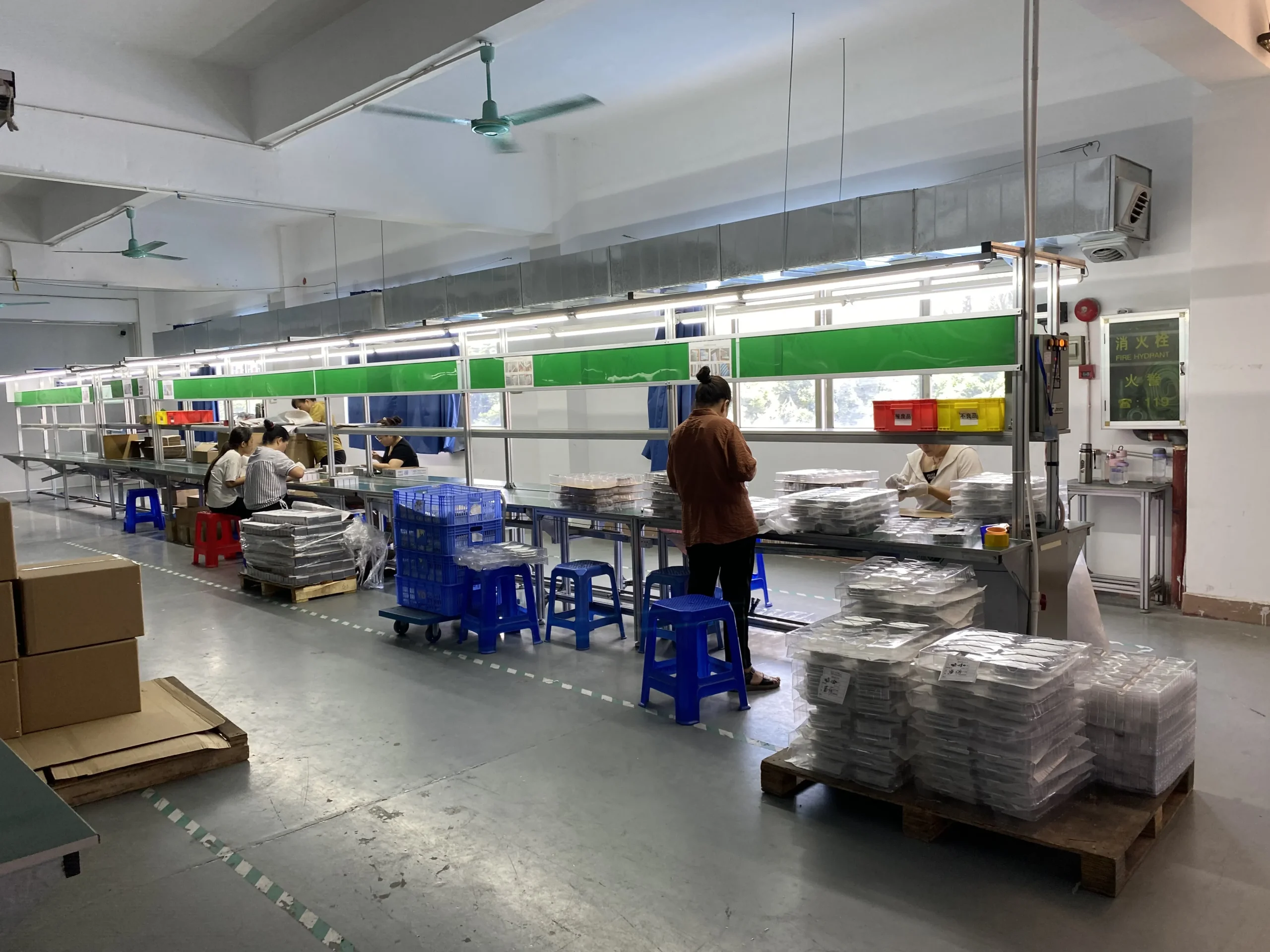
For OEMs and system integrators, off-the-shelf coolers are insufficient. We offer full DFM (Design for Manufacturing) customization for vapor chamber pass-through heatsink fins graphics card cooling modules.
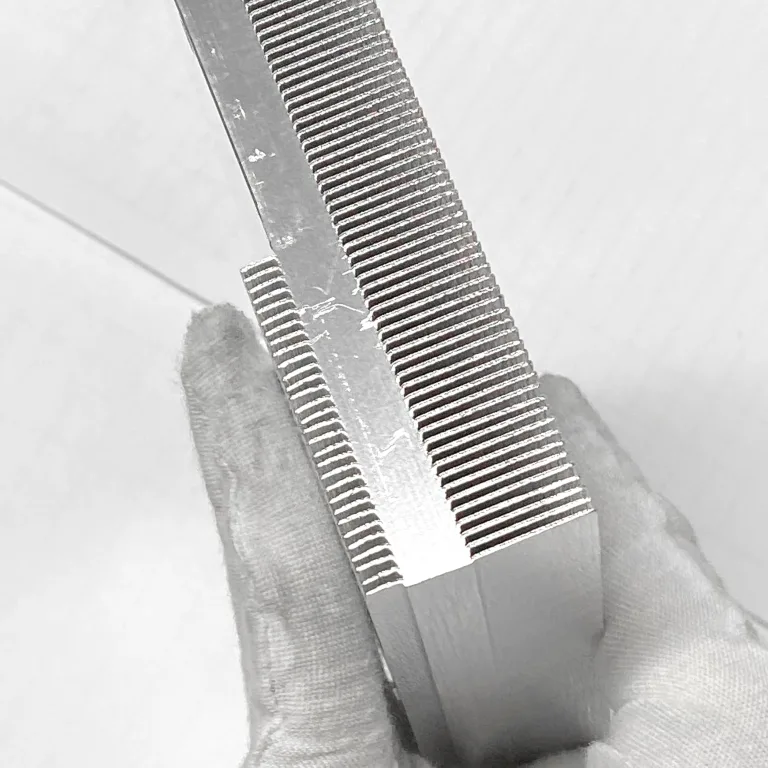
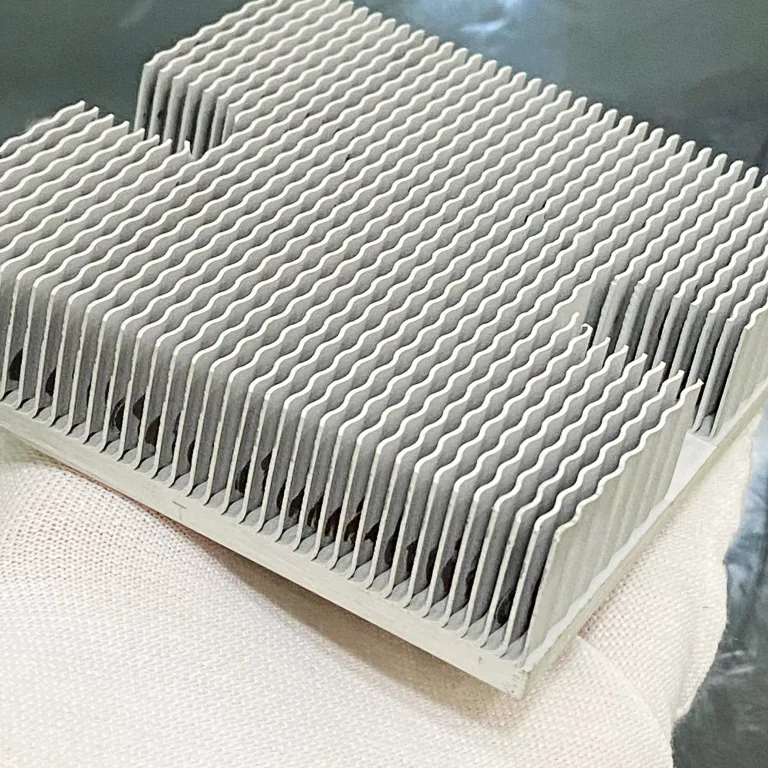
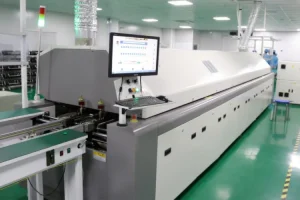
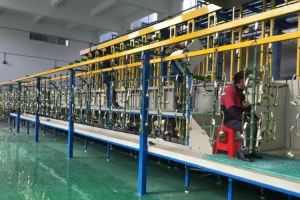
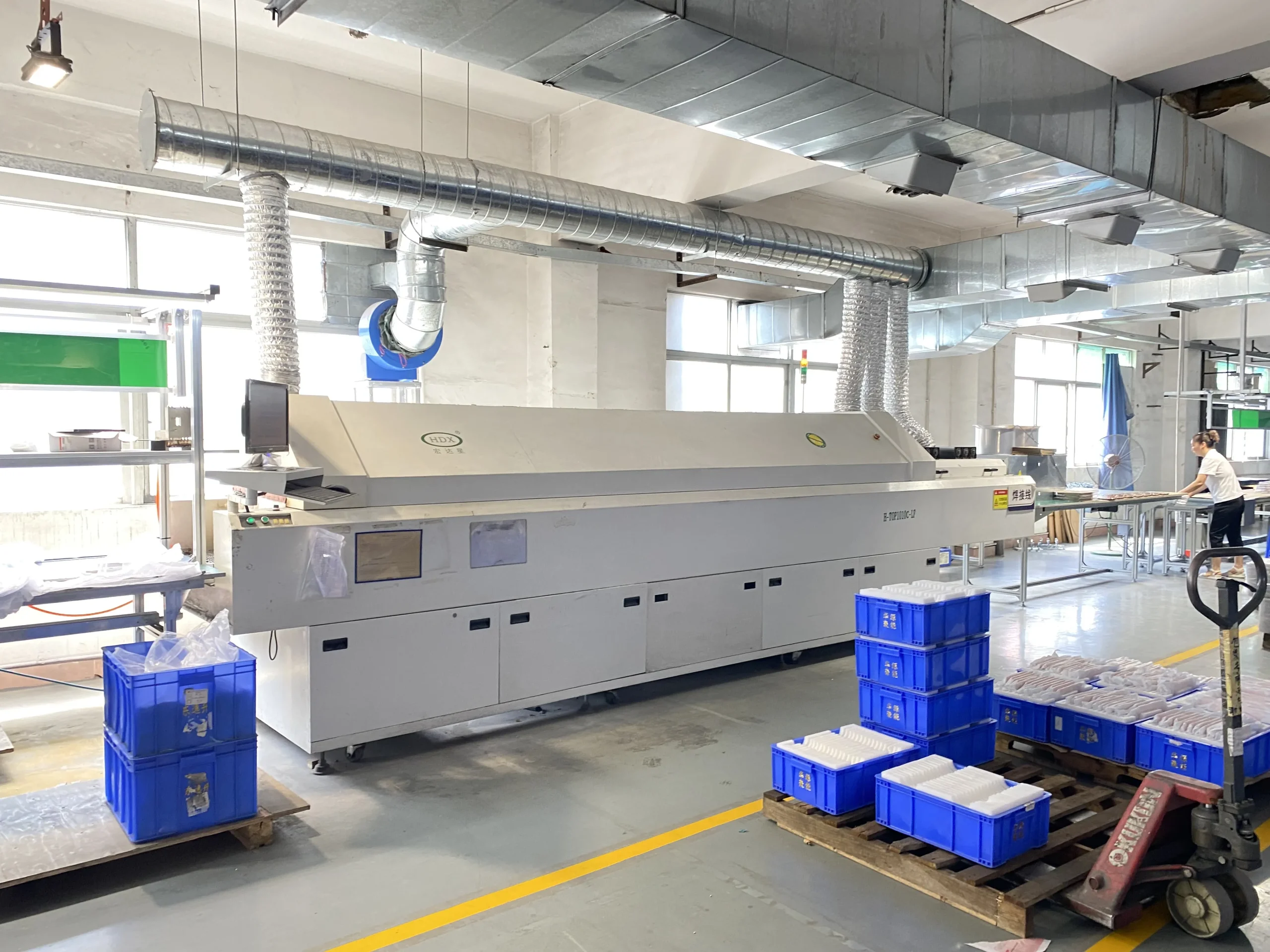
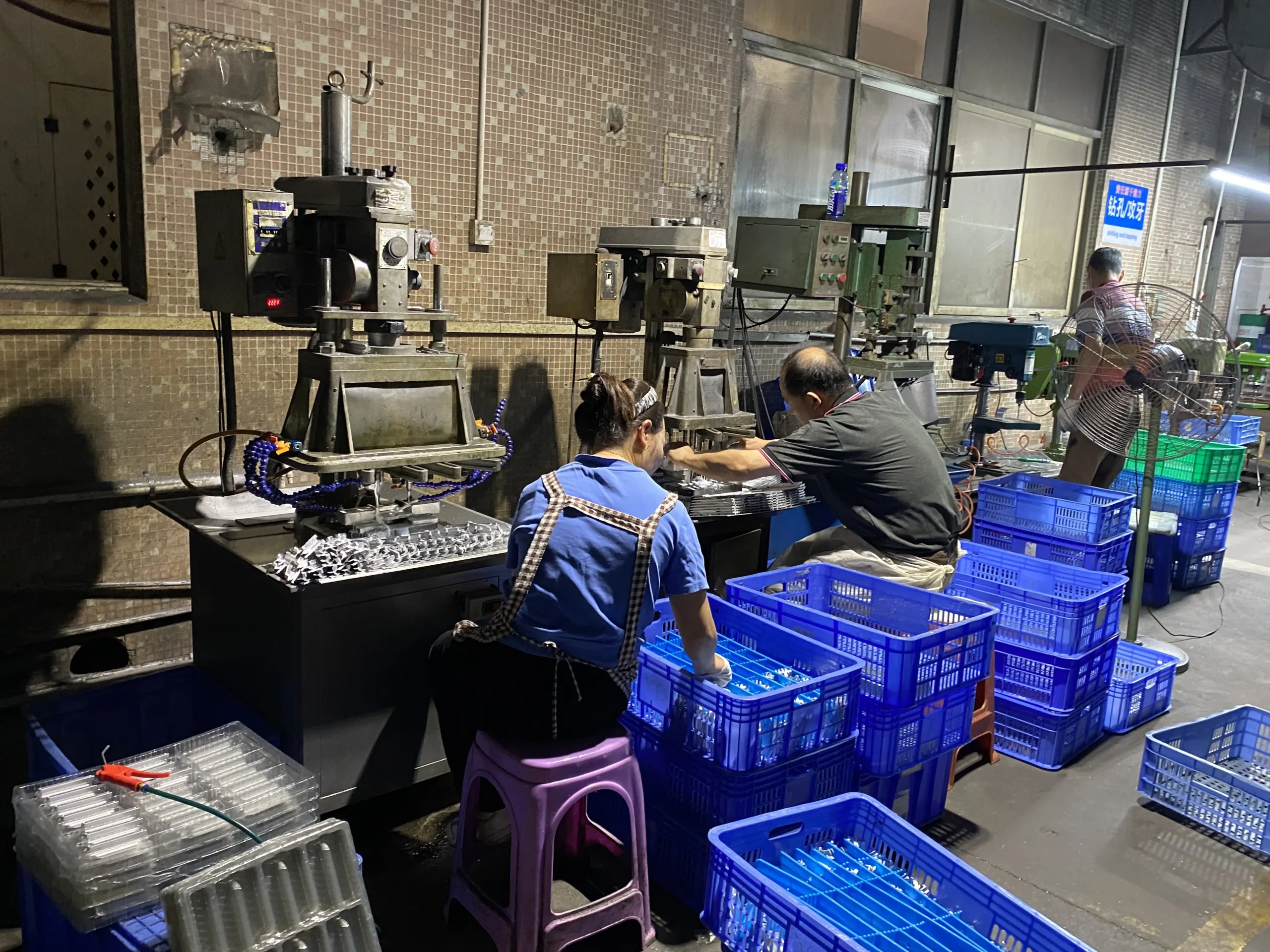
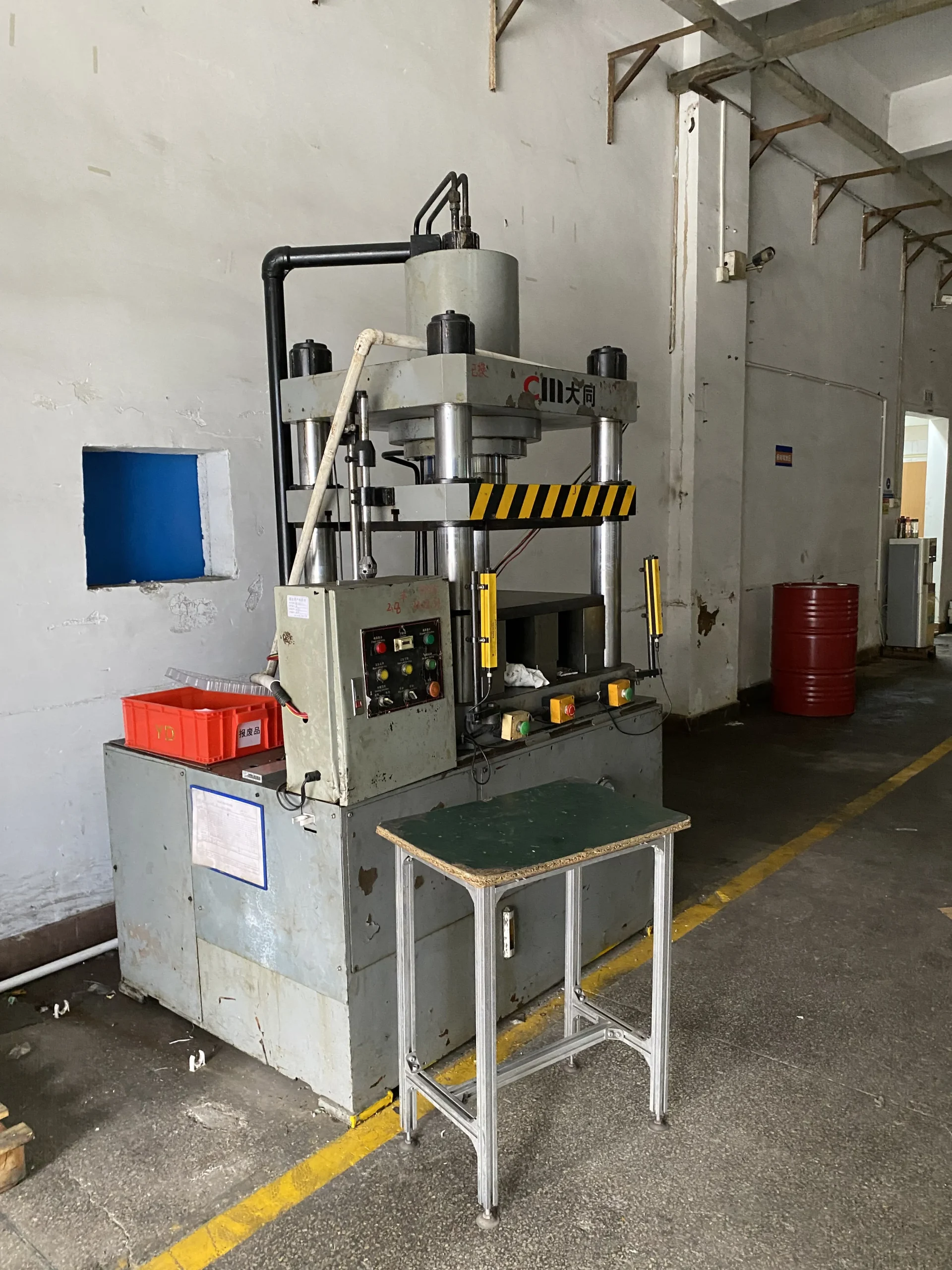
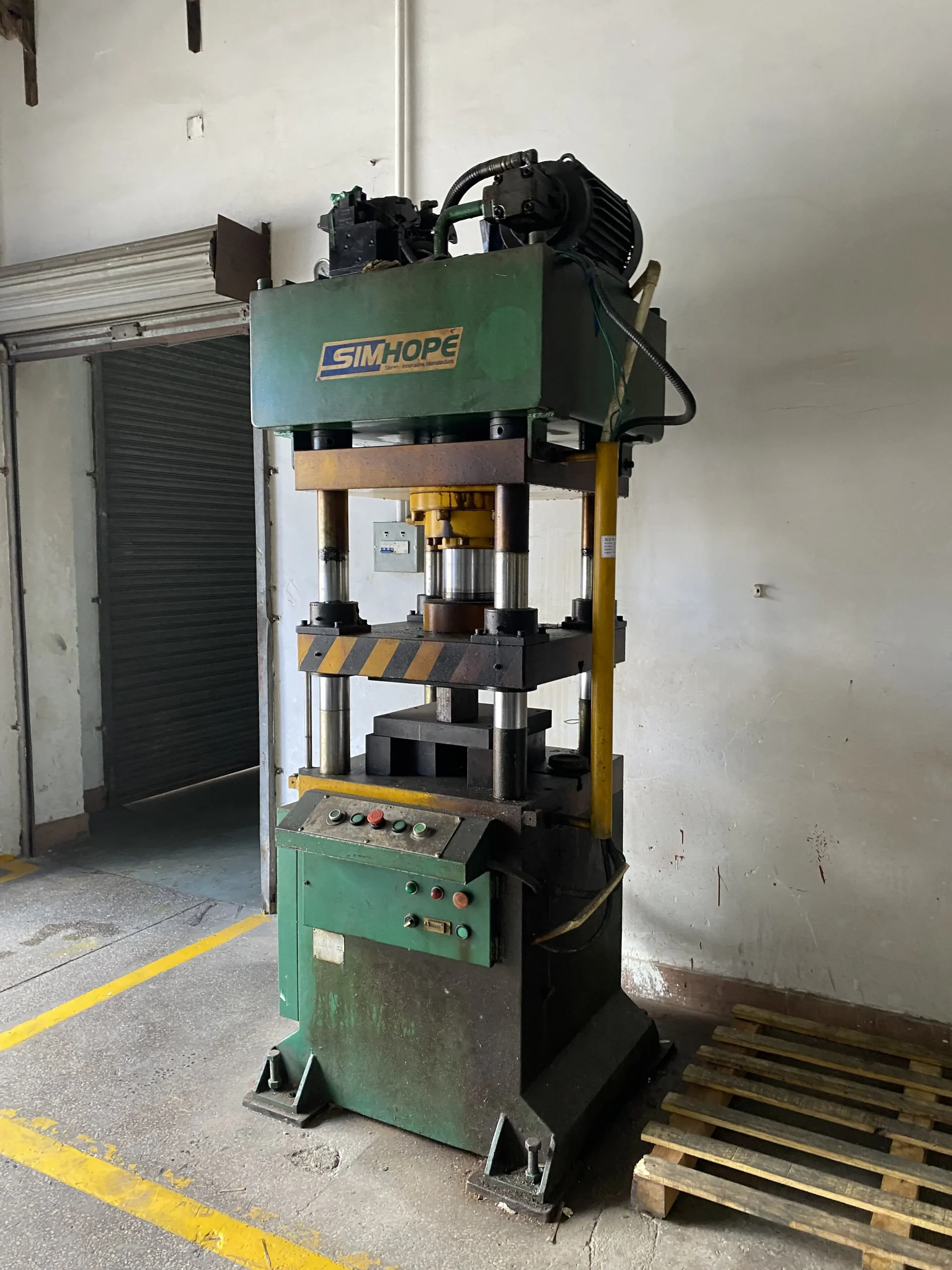
Manufacturing Precision: To ensure zero thermal interface resistance, the aluminum or copper zippered fins are soldered to the vapor chamber using precise reflow soldering. We guarantee a surface flatness tolerance of ±0.05 mm on the GPU contact area.
Customization Options: Fin pitch (down to 1.2mm for high-pressure server fans), fin height, vapor chamber shape (stepped designs for VRAM clearance), and mounting hardware can all be tailored to your specific CAD drawings.
Frequently Asked Questions (FAQ)
How does a "vapor chamber + pass-through heatsink fins" reference GPU cooler improve airflow?
It exhausts hot air directly into the system’s natural airflow path rather than trapping it against the PCB.
By utilizing a shorter PCB, the rear section of the heatsink has no obstruction underneath. A fan pushes cold air entirely through the fin stack and out the other side. This flow-through dynamic aligns perfectly with chassis exhaust fans, significantly reducing thermal recirculation and lowering systemic temperatures.
What is the maximum TDP a GPU vapor chamber heatsink can handle?
Our customized VC + zipper fin modules can comfortably handle 350W to 450W TDP.
The limit depends on the overall surface area of the zippered fins and the airflow (CFM) provided by the fans. However, the vapor chamber itself is capable of spreading extremely high heat flux (>50 W/cm²), making it ideal for the latest generation of dense AI accelerators and high-end GPUs.
Can you customize this VC heatsink for non-reference enterprise PCIe cards?
Yes, we provide full custom manufacturing for enterprise and OEM applications.
As a direct thermal manufacturer, we can adapt the dimensions of the vapor chamber, create stepped bases to cool adjacent VRAM and VRM components simultaneously, and adjust the zipper fin density to match the high-static-pressure fans used in 1U or 2U enterprise servers.
How do pass-through heatsink fins graphics cards prevent GPU sagging?
They utilize lightweight vapor chambers and integrated structural brackets.
Massive solid copper heatsinks cause severe PCB bending. A vapor chamber is mostly hollow, slashing the base weight by up to 40%. Additionally, our zippered fins are interlocked for high structural rigidity, and we can integrate custom CNC-machined anti-sag brackets directly into the heatsink assembly.
What is the flatness tolerance of the VC heatsink contact area?
We guarantee a strict machining flatness tolerance of ±0.05 mm.
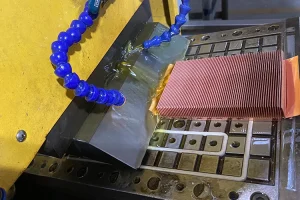
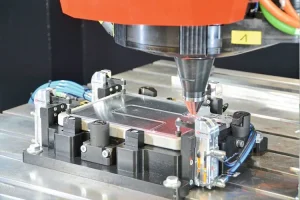
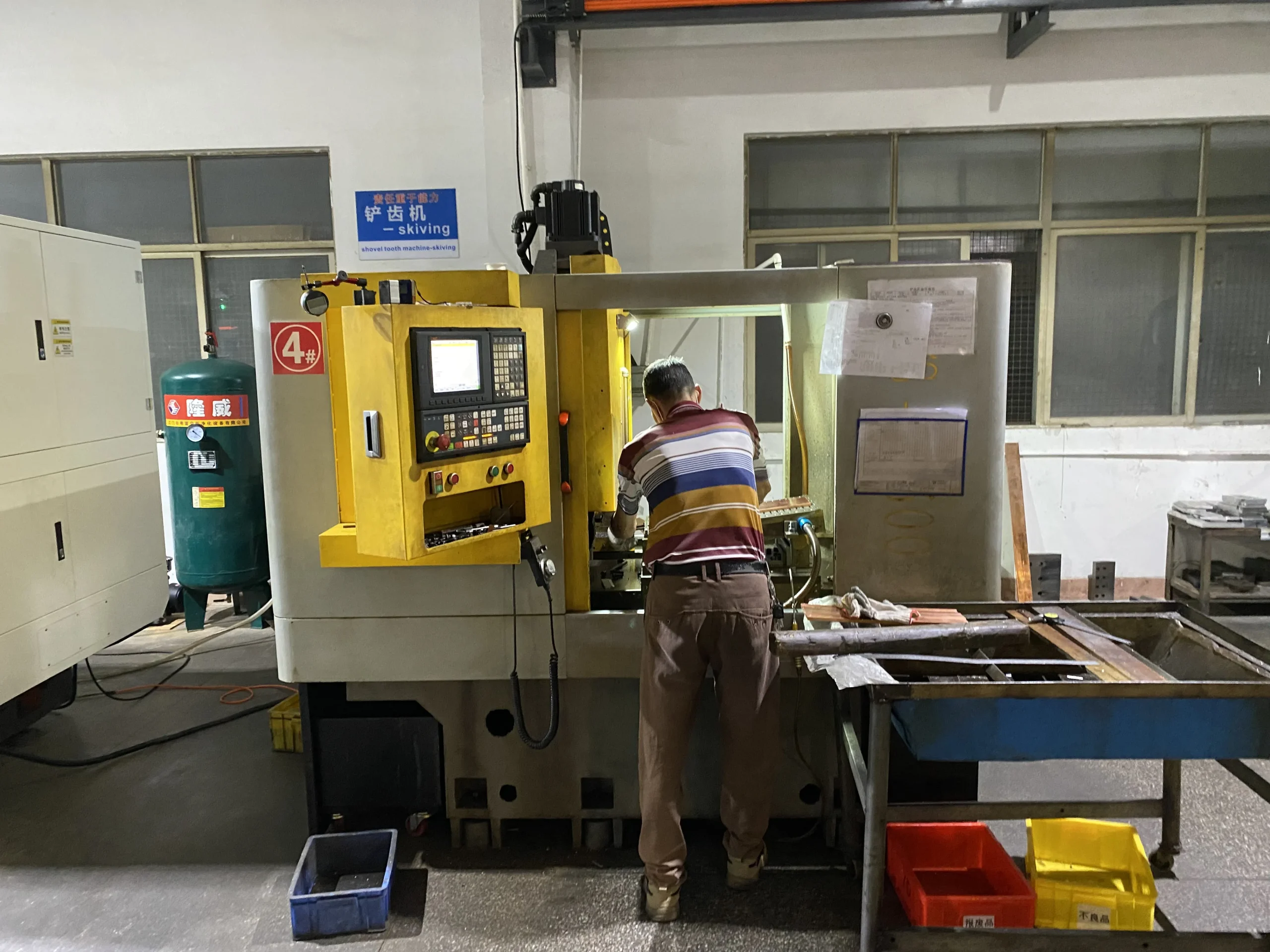
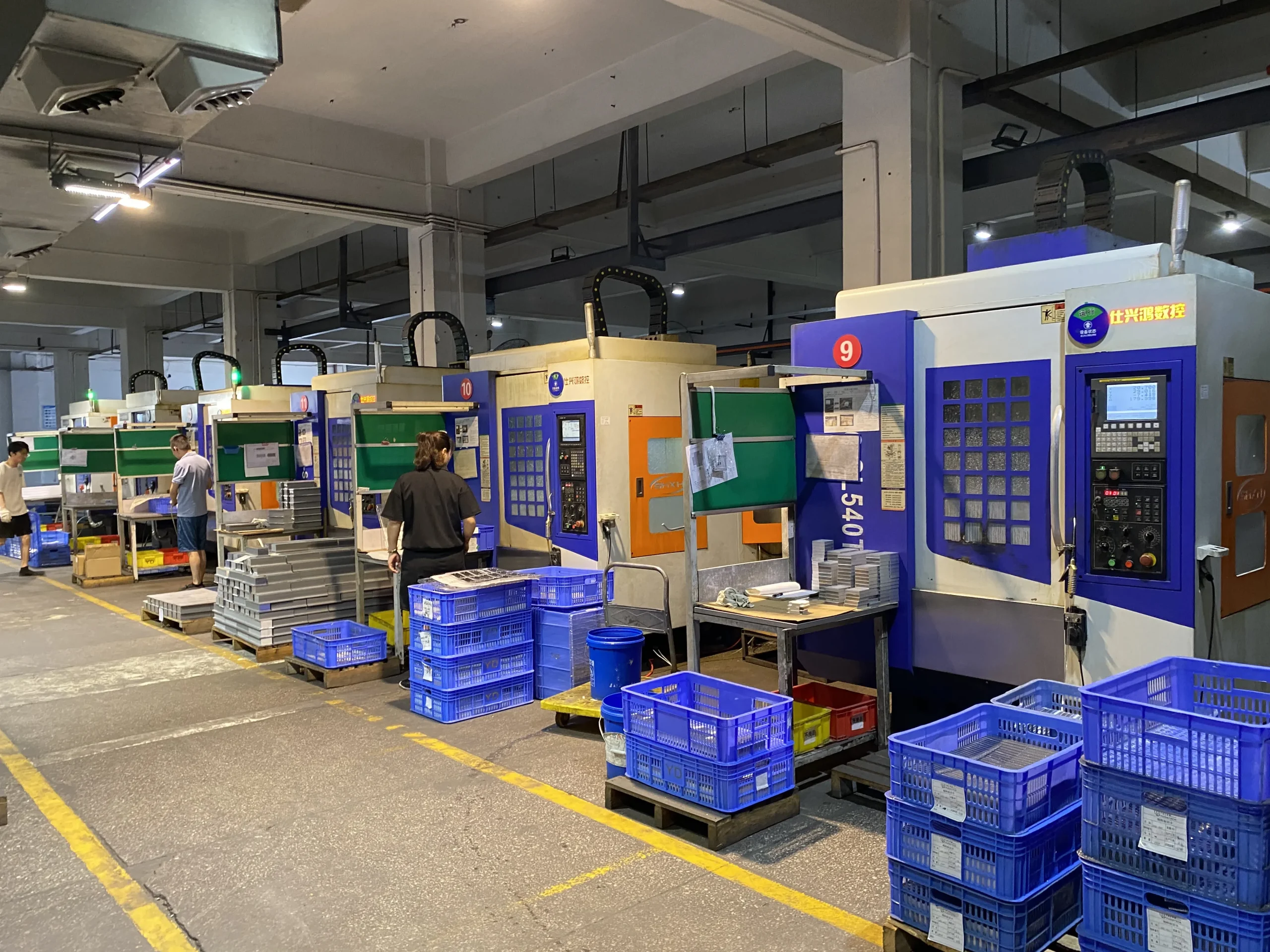
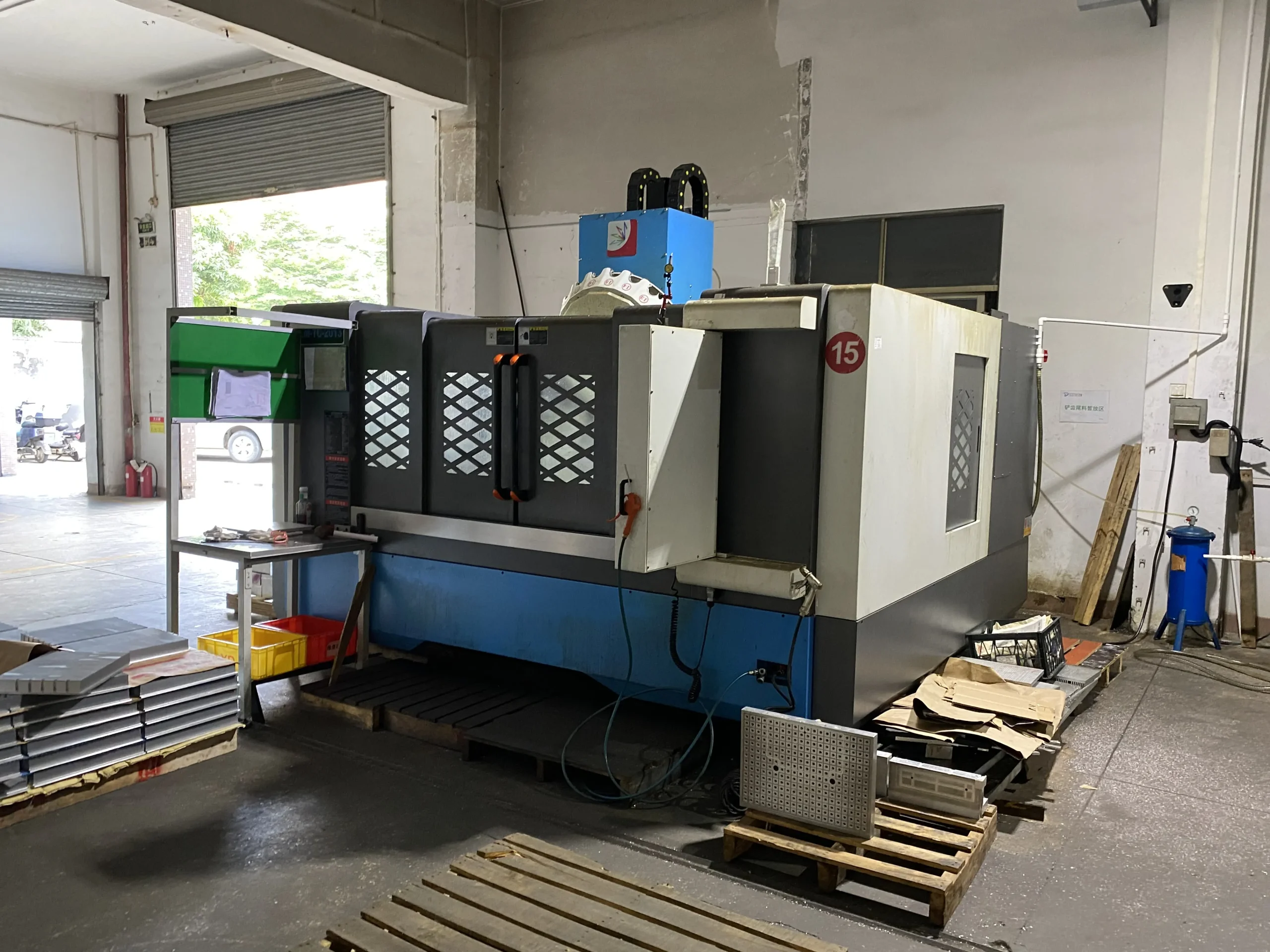
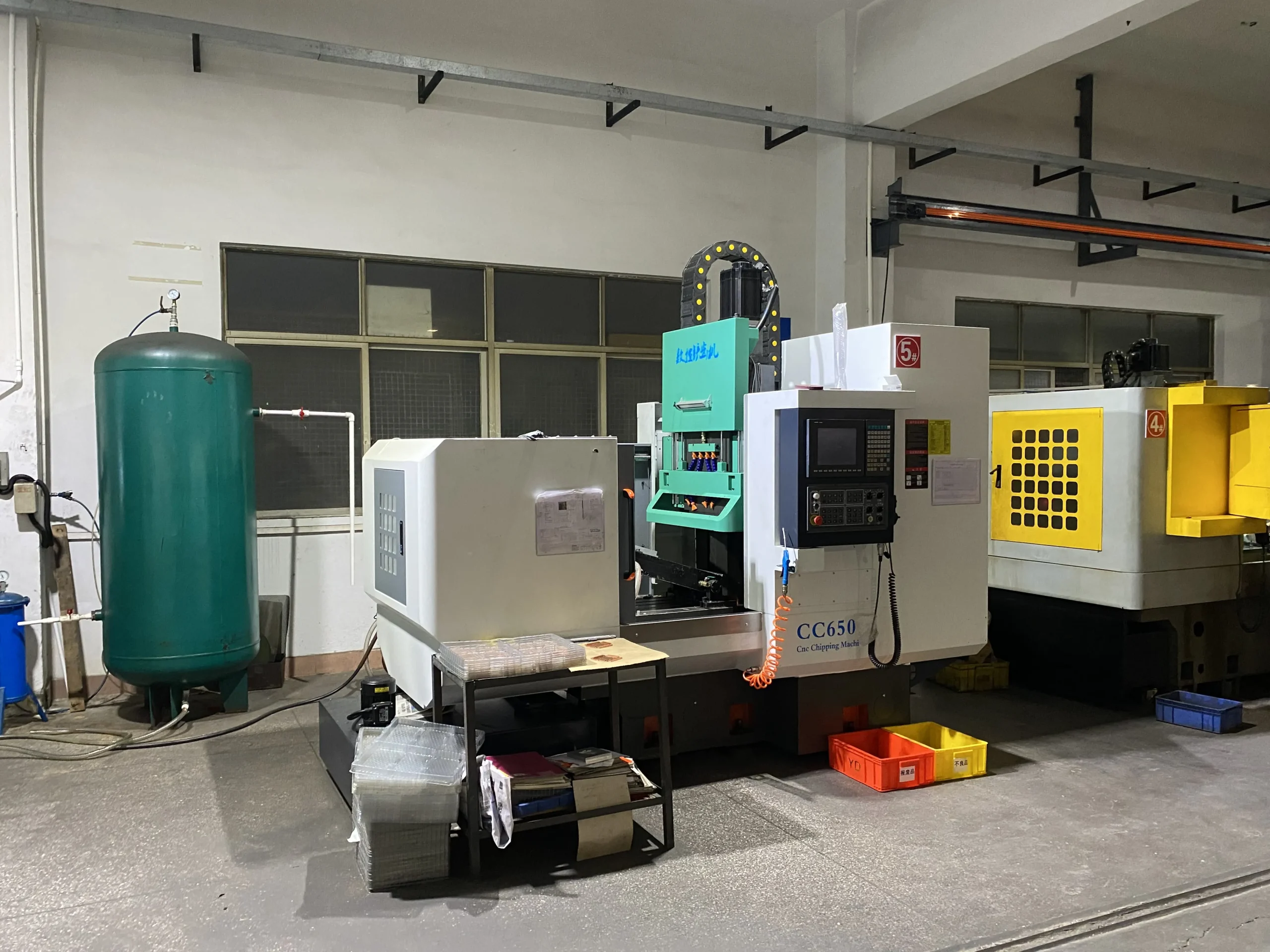
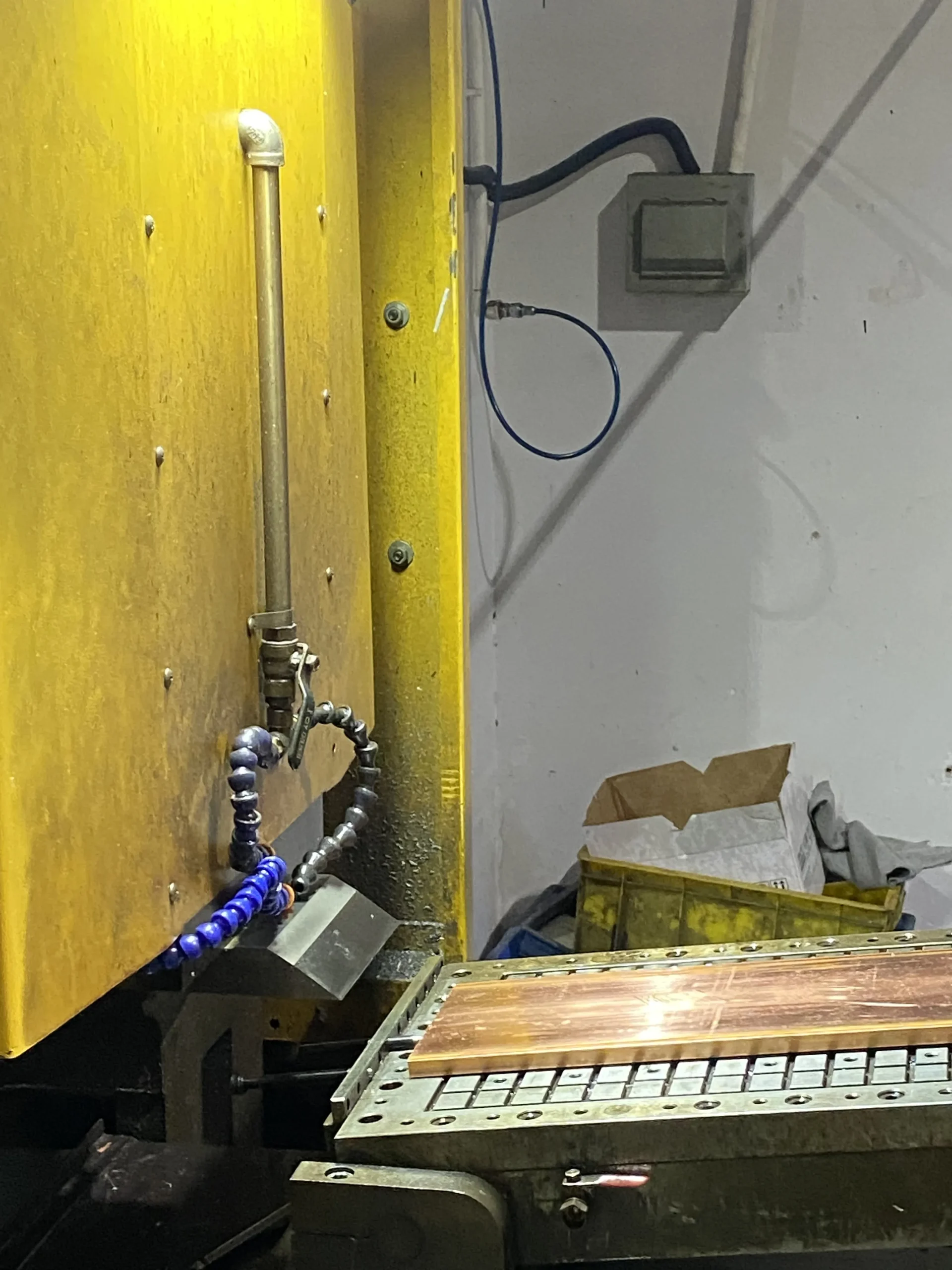
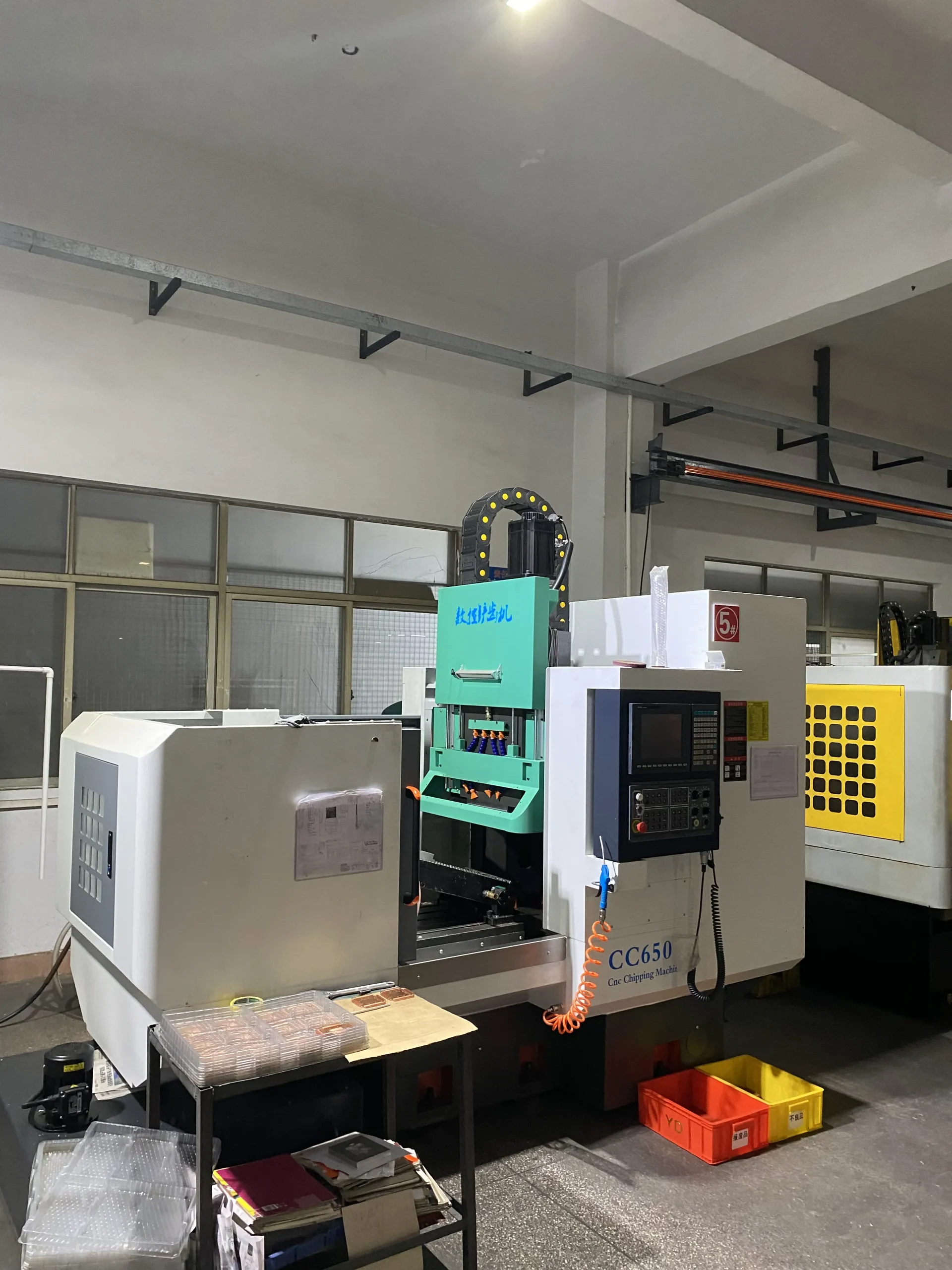
Direct contact with bare GPU silicon requires extreme precision. Any microscopic gaps create thermal resistance. After the vapor chamber is sealed and the fins are soldered, the contact pedestal is precision CNC-milled to ensure perfect coplanarity, maximizing the efficiency of the thermal paste or phase-change material.
What is the lifespan of the vapor chamber inside the graphics card cooler?
Designed for over 70,000 hours (approx. 8 years) of continuous operation.
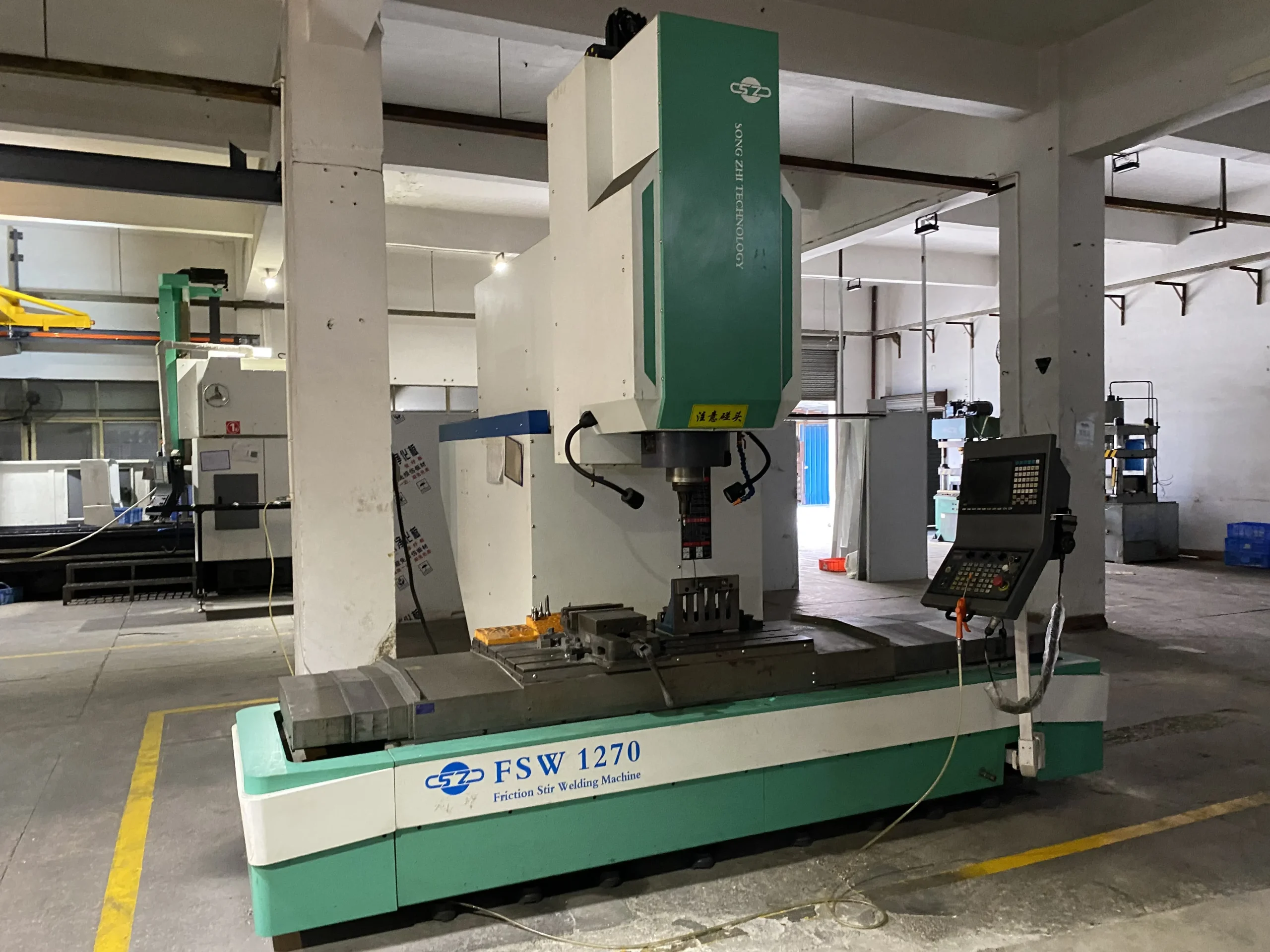
Our vapor chambers are constructed from high-purity copper and hermetically sealed using vacuum brazing or diffusion bonding. Assuming the GPU operates within standard thermal limits (<95°C), the internal vacuum and capillary wick structure will not degrade, providing reliable, maintenance-free cooling for the life of the hardware.