Server Immersion Cooling vs Cold Plate Liquid Cooling: Which Is Better for AI Servers?
As AI servers grow in capability, efficiently managing their heat has become a significant challenge for businesses. Two leading solutions, server immersion cooling and cold plate liquid cooling, provide innovative ways to address this issue. But which option is the better fit? This article compares these methods to help you decide what works best for your AI infrastructure.
Takeaway
- AI servers produce significant heat due to their high computational requirements, making advanced cooling methods like immersion cooling and cold plate cooling essential for performance and energy efficiency.
- Server immersion cooling involves submerging entire servers in a non-conductive liquid, ensuring even heat dissipation, quieter operation, and lower energy use compared to traditional air cooling.
- Cold plate liquid cooling uses direct-contact plates attached to heat-generating components, circulating coolant to efficiently remove heat, making it ideal for targeted cooling of specific parts.
- Immersion cooling is well-suited for dense AI workloads and data centers prioritizing energy efficiency and low maintenance but requires specialized infrastructure and higher initial costs.
- Cold plate cooling is more cost-effective for integrating into existing setups and offers precise cooling for specific components, though it may struggle with cooling entire systems under extreme demands.
- The decision between immersion cooling and cold plate cooling depends on factors like workload intensity, budget, scalability, and long-term operational goals for AI servers.
- For high-performance AI servers, immersion cooling is gaining traction as a sustainable and efficient option, despite its higher upfront investment.
Introduction to AI Server Cooling
Why AI Servers Require Advanced Cooling
AI servers are driving technological progress, but their growing computational power brings significant cooling challenges. These systems, powered by high-performance GPUs and CPUs, often operate under heavy workloads, generating substantial heat. Traditional air cooling systems struggle to keep up with the thermal demands of AI servers, especially in high-density data centers. This has led to the rise of advanced cooling solutions, such as server immersion cooling and cold plate liquid cooling.
Efficient cooling is essential for maintaining performance and avoiding hardware failures. Tasks like deep learning and neural network training push servers to their thermal limits. For instance, rack power densities can exceed 50kW, surpassing the capabilities of standard air cooling. As a result, many organizations are adopting liquid cooling methods, known for their superior thermal conductivity and energy efficiency.
Overview of Liquid Cooling Methods
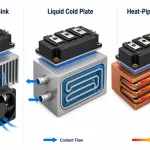
Liquid cooling has become the preferred approach for managing the heat produced by AI servers. The two main methods are server immersion cooling and cold plate liquid cooling, also called direct-to-chip cooling. Each option has distinct benefits and is suitable for different setups, depending on factors like infrastructure, scalability, and budget.
Cold plate liquid cooling is a proven technique that uses metal plates with coolant channels to draw heat away from critical components like CPUs and GPUs. This method integrates well with existing server designs, making it a practical solution for retrofitting traditional data centers. It offers a balance of cost-efficiency and thermal performance, making it a popular choice for organizations upgrading their cooling systems.
Server immersion cooling, on the other hand, involves submerging servers in dielectric fluids, enabling even heat removal from all components. This method delivers exceptional cooling performance, with potential Power Usage Effectiveness (PUE) values as low as 1.02 in optimized setups. However, it requires more extensive infrastructure changes, such as specialized tanks and fluid handling systems, making it better suited for high-density AI applications or new data center projects.
| Cooling Method | Key Features |
|---|---|
| Cold Plate Liquid Cooling | Direct heat removal, cost-effective, compatible with existing layouts |
| Server Immersion Cooling | Uniform cooling, extreme efficiency, requires specialized infrastructure |
Both methods play a vital role in modern AI server cooling strategies. While cold plate cooling is valued for its adaptability and ease of integration, immersion cooling stands out for its superior thermal performance in high-power environments. Brands like Ecothermgroup are leading the way in delivering innovative solutions tailored to these advanced cooling needs.
What Is Server Immersion Cooling?
How Immersion Cooling Works
Server immersion cooling is an advanced method for data center cooling that submerges servers in a non-conductive dielectric fluid. This fluid efficiently absorbs heat from components like CPUs and GPUs, eliminating the need for traditional air-based cooling methods such as fans. Unlike cold plate liquid cooling, which targets specific chips, immersion cooling provides comprehensive thermal management for the entire server.
The process involves sealing servers in specialized tanks filled with dielectric fluid. As the hardware operates, heat transfers from the components to the fluid. The warmed fluid circulates through a heat exchanger, where it is cooled and returned to the tank. This continuous cycle maintains stable temperatures, even during high computational demands typical of AI server workloads.
Ecothermgroup offers immersion cooling systems that support power densities exceeding 200 kW per rack, making them ideal for high-density AI and GPU server applications. These systems represent a move toward more efficient and sustainable cooling solutions for data centers.
Advantages of Immersion Cooling for AI Servers
Immersion cooling provides several benefits, especially for AI servers requiring exceptional thermal performance. One key advantage is its ability to handle ultra-high-density workloads. Traditional air cooling systems have difficulty managing heat from racks operating at 20–50 kW, while immersion cooling can accommodate densities between 100–200 kW.
Additionally, immersion cooling delivers superior energy efficiency. With Power Usage Effectiveness (PUE) values as low as 1.03–1.08, it outperforms cold plate liquid cooling, which typically achieves PUE values of 1.08–1.15. This results in lower operating costs and reduced environmental impact.
Another benefit is its silent operation. Since server fans are unnecessary, immersion cooling systems operate without noise, creating a more comfortable environment for on-site technicians. The uniform cooling provided by the dielectric fluid also reduces thermal hotspots, extending the lifespan of server components.
However, there are trade-offs to consider. Immersion cooling requires a significant initial investment in specialized tanks and infrastructure. Maintenance can also be more complex compared to hybrid systems like cold plate liquid cooling, which integrate more easily into existing setups. Despite these challenges, immersion cooling is often the best choice for hyperscale data centers running AI workloads.
| Aspect | Immersion Cooling | Cold Plate Liquid Cooling |
|---|---|---|
| Cooling Coverage | Entire server | Specific components (e.g., CPUs, GPUs) |
| Power Density Support | Up to 200 kW per rack | Typically 20–50 kW per rack |
| PUE Range | 1.03–1.08 | 1.08–1.15 |
| Infrastructure Cost | High | Moderate |
| Maintenance Complexity | High | Moderate |
- Supports ultra-high-density AI server cooling
- Reduces energy consumption with industry-low PUE
- Eliminates the need for server fans, reducing noise
- Minimizes thermal hotspots for extended hardware life
What Is Cold Plate Liquid Cooling?
How Cold Plate Cooling Works
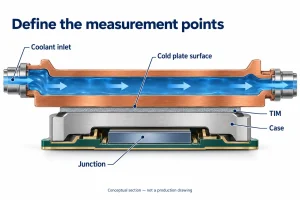
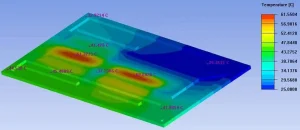
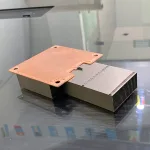
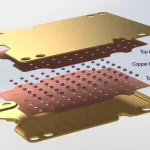
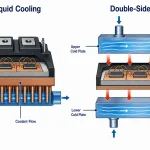
Cold plate liquid cooling, also known as direct-to-chip cooling, is a highly efficient method designed to handle heat from high-density server components like CPUs, GPUs, and accelerators. It uses a cold plate—a flat, thermally conductive surface—placed directly on heat-producing components. Liquid coolant flows through channels inside the cold plate, absorbing and transporting heat away from the hardware.
Unlike server immersion cooling, which submerges entire servers in dielectric fluid, cold plate cooling targets specific components, making it a great choice for rack-level setups. The system connects cold plates through insulated tubing, often leading to a centralized heat exchanger or external cooling unit. This targeted approach works especially well for AI server cooling, where processors generate significant heat during demanding tasks like machine learning and neural network computations.
Ecothermgroup highlights cold plate cooling as a scalable and energy-efficient solution gaining popularity in modern data centers. By minimizing thermal resistance between components and coolant, this method ensures effective heat dissipation. It proves particularly useful for GPU server cooling, where lower operating temperatures directly impact performance.
Benefits of Cold Plate Cooling for AI Servers
Cold plate liquid cooling offers several advantages for AI servers, making it a strong contender against immersion cooling in the immersion cooling vs cold plate debate. Key benefits include:
- Targeted Cooling: Direct liquid cooling focuses on specific components, helping GPUs and CPUs maintain optimal temperatures.
- Efficiency: Reducing dependence on air-based systems, cold plate setups often achieve lower Power Usage Effectiveness (PUE) ratings, improving energy efficiency.
- Scalability: This cooling method integrates smoothly with existing rack-level configurations, meeting high-density server needs without major infrastructure changes.
- Maintenance: Unlike immersion systems, cold plate setups simplify hardware replacement and maintenance without dealing with dielectric fluids.
- Compatibility: These systems align with standard liquid-cooled server rack designs, making them ideal for retrofitting in traditional data centers.
Industry studies indicate cold plate systems can cut cooling energy consumption by up to 30% compared to conventional air-cooled setups. For AI server cooling, where workloads are intense, this energy savings translates to cost efficiency and environmental benefits.
| Feature | Cold Plate Liquid Cooling |
|---|---|
| Cooling Method | Direct-to-chip cooling with liquid circulated through cold plates |
| Target Components | CPUs, GPUs, and accelerators |
| Maintenance | Simpler hardware access compared to immersion systems |
| Energy Efficiency | Reduces cooling energy consumption by up to 30% |
| Scalability | Works with rack-level configurations |
Cold plate liquid cooling offers a balanced solution between traditional air cooling and server immersion cooling, providing reliable, efficient, and scalable options for AI and high-performance computing environments.
Comparing Server Immersion Cooling and Cold Plate Cooling
Energy Efficiency and Performance
Server immersion cooling stands out in energy efficiency, especially for AI server setups requiring high computational power. It achieves impressive Power Usage Effectiveness (PUE) values, often below 1.1, by cooling entire systems uniformly. This is critical for AI workloads, where GPUs generate significant heat during training and inference processes. By submerging components in thermally conductive dielectric liquid, immersion cooling reduces heat dissipation inefficiencies and provides effective thermal management.
Cold plate liquid cooling, also called direct-to-chip cooling, focuses on specific hot spots like CPUs and GPUs. While efficient, it doesn’t offer the uniform heat removal of immersion cooling. However, it remains more energy-efficient than traditional air cooling and can adequately handle moderate-density AI server needs. For data centers aiming to balance performance with easy implementation, cold plate cooling is an appealing choice.
Cost Implications and Maintenance
Cost is a key factor when choosing between these cooling methods. Server immersion cooling involves a higher upfront investment in specialized tanks, dielectric fluids, and infrastructure adjustments. Maintenance can also be more complex since submerged components require more time for servicing. Despite this, the long-term energy savings and reduced reliance on air conditioning can make it cost-effective for high-density server environments.
Cold plate cooling is easier to implement in existing data centers, integrating seamlessly with rack-mounted servers without requiring major system changes. Maintenance is straightforward, as components remain accessible for repairs or upgrades. However, operational costs may be higher due to pumps and piping systems needed to circulate the liquid.
| Aspect | Server Immersion Cooling | Cold Plate Liquid Cooling |
|---|---|---|
| Initial Investment | High | Moderate |
| Maintenance Complexity | High | Low |
| Energy Efficiency | Very High | High |
| Ease of Retrofitting | Low | High |
Scalability and Use Cases
Scalability is an important consideration for data centers choosing between immersion and cold plate cooling. Immersion cooling is ideal for large-scale, high-density deployments such as AI training clusters and GPU server systems. Its ability to manage extreme heat loads makes it a strong option for future-proofing data centers expecting increased AI workloads. Ecothermgroup has been leading the way in developing innovative immersion cooling solutions tailored to AI-specific environments.
Cold plate cooling, however, is better suited for smaller or incremental deployments. Its compatibility with existing liquid-cooled server racks allows data centers to adopt the technology without major structural changes. This makes it a practical choice for retrofitting older facilities to handle moderate AI workloads or hybrid cooling systems. Additionally, the well-established vendor ecosystem for cold plate solutions ensures easy access to parts and technical support.
- Immersion cooling is ideal for high-density AI clusters needing uniform cooling.
- Cold plate cooling works well for retrofitting older data centers with moderate AI workloads.
- Both methods outperform traditional air cooling in energy efficiency and thermal control.
The choice between server immersion cooling and cold plate cooling depends on workload density, budget, and scalability needs. For cutting-edge AI server cooling, immersion cooling delivers unmatched performance, while cold plate systems offer a flexible and cost-effective alternative.
Which Cooling Solution Is Best for AI Servers?
Factors to Consider When Choosing a Cooling Method
Deciding between server immersion cooling and cold plate liquid cooling for AI servers involves assessing key factors like cooling efficiency, cost, scalability, and compatibility with your current setup. While both are designed to meet the high thermal demands of AI server cooling, each comes with unique advantages and challenges.
Server immersion cooling submerges entire servers in a dielectric fluid, delivering exceptional thermal efficiency. This approach eliminates hotspots and supports high-density server cooling, with rack-level liquid cooling capacities reaching up to 200 kW per rack. It’s an excellent choice for GPU server cooling in large-scale AI clusters. However, immersion cooling often requires significant changes to data center infrastructure, such as specialized tanks and fluids. Maintenance can also be more intricate, as it involves removing entire servers for servicing.
Cold plate liquid cooling, particularly direct-to-chip cooling, focuses on high-heat components like CPUs and GPUs. It integrates well with existing data center setups and liquid cooled server racks, making it a cost-effective option for gradual upgrades. Though its cooling capacity is typically lower than immersion cooling, it offers high scalability and easier implementation in traditional server environments. Additionally, cold plate systems usually have lower upfront costs since they don’t require a complete infrastructure overhaul.
| Feature | Server Immersion Cooling | Cold Plate Liquid Cooling |
|---|---|---|
| Cooling Efficiency | High (200 kW per rack) | Moderate |
| Setup Complexity | High | Low |
| Scalability | Limited | High |
| Cost | Higher upfront | Cost-effective |
| Compatibility | Requires redesign | Compatible with existing racks |
Final Recommendations
The choice between immersion cooling and cold plate liquid cooling depends on your data center’s goals and limitations. For hyperscale AI server environments where maximum thermal efficiency and high-density configurations are essential, server immersion cooling is the superior option. It excels at AI server cooling by supporting ultra-high power densities and eliminating thermal hotspots.
For data centers focusing on cost-efficiency, scalability, and seamless integration with existing infrastructure, cold plate liquid cooling provides a practical alternative. Its direct liquid cooling method effectively manages heat for critical components without requiring a complete overhaul of the server cooling system.
Ultimately, the right solution balances your operational priorities, budget, and technical needs. Working with experts like Ecothermgroup can help you implement tailored cooling solutions that keep your AI servers running efficiently while optimizing energy use and long-term performance.
People Also Ask
What is server immersion cooling, and how does it work?
Server immersion cooling involves submerging servers in a non-conductive liquid that absorbs heat directly from the hardware. This method eliminates traditional air cooling and provides efficient thermal management for high-performance systems, such as AI servers.
How does cold plate liquid cooling differ from server immersion cooling?
Cold plate liquid cooling uses plates in contact with heat-generating components, circulating liquid through the plates to remove heat. Unlike immersion cooling, it doesn’t submerge the entire server in liquid, making it simpler but potentially less effective for managing extreme heat loads.
Why is cooling important for AI servers?
AI servers produce significant heat due to their high computational demands. Effective cooling solutions, such as server immersion cooling or cold plate liquid cooling, are essential to maintain performance, prevent overheating, and enhance energy efficiency in AI data centers.
What are the energy efficiency benefits of server immersion cooling?
Server immersion cooling is highly energy-efficient as it eliminates the need for air conditioning and minimizes energy loss by transferring heat directly to a liquid medium. This leads to lower operational costs and a reduced carbon footprint for data centers.
Which cooling solution offers better scalability for AI servers?
Server immersion cooling is often viewed as more scalable for AI servers because it can handle higher thermal loads and support denser server configurations. Cold plate cooling may require additional infrastructure upgrades to scale effectively.
Are there any maintenance challenges associated with server immersion cooling?
Yes, maintaining server immersion cooling can be more complex due to the need to manage and periodically replace specialized cooling liquids and ensure hardware compatibility. However, it reduces reliance on air filters and fans, simplifying some maintenance tasks.
What factors should I consider when choosing between server immersion cooling and cold plate liquid cooling for AI servers?
Consider factors like the heat load of your AI servers, available space, energy efficiency goals, budget, and long-term maintenance needs. Immersion cooling is often better for high-density, high-performance setups, while cold plates may be simpler for smaller-scale systems.
Is server immersion cooling more cost-effective than cold plate liquid cooling?
Server immersion cooling can offer greater cost-effectiveness over time due to its energy efficiency and reduced reliance on traditional HVAC systems. However, its initial setup costs are typically higher compared to cold plate liquid cooling, which may have a lower upfront cost.