AI Server Liquid Cooling vs Air Cooling: What Changes for Custom Heat Sinks?
As AI servers become more advanced, managing heat effectively is crucial for ensuring performance and reliability. This article looks at how AI server liquid cooling stacks up against traditional air cooling and explores its influence on the design and customization of heat sinks. Understanding these factors can help businesses make informed decisions about cooling solutions for their high-performance systems.
Introduction to ai server liquid cooling
As artificial intelligence (AI) technologies continue to grow, the computational demands placed on AI servers are increasing rapidly. These systems, often powered by GPUs and AI accelerators, produce significant amounts of heat due to their high processing capabilities. Traditional air cooling methods often fall short in meeting the thermal needs of high-density servers, especially in AI-focused data centers. This is where AI server liquid cooling offers a breakthrough, providing superior thermal management and allowing these systems to perform at their best.
AI server liquid cooling, particularly direct-to-chip cooling, is far more effective at transferring heat than air cooling. While air cooling uses fans to move heat away from components, liquid cooling employs a coolant—commonly water or dielectric fluid—to directly absorb and carry heat away from high-power components like GPUs or CPUs. This approach is especially vital for AI workloads, where thermal efficiency has a direct impact on performance and energy expenses.
Why AI server liquid cooling is gaining momentum
Liquid cooling is becoming essential in AI server environments due to the limitations of air cooling. Air systems typically manage up to 15–25 kW of heat per rack, which is inadequate for modern AI servers handling high-density workloads. Liquid cooling, by contrast, can handle much higher heat densities, making it ideal for GPU-heavy applications and high-performance computing (HPC) setups. Additionally, liquid cooling systems can cut cooling energy use by up to 40%, offering significant cost savings for AI data centers.
Another major benefit is the scalability of liquid cooling. As AI servers incorporate more GPUs and accelerators into compact spaces, liquid cooling ensures efficient heat removal without the need for excessive airflow or larger infrastructure. This scalability aligns with the trend of deploying high-density racks in AI data centers.
Comparing liquid cooling and air cooling for AI servers
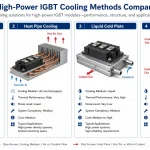
| Feature | Liquid Cooling | Air Cooling |
|---|---|---|
| Thermal Efficiency | High (4–5x more effective) | Moderate |
| Cooling Capacity | Handles >25 kW per rack | Limited to 15–25 kW per rack |
| Energy Consumption | Up to 40% lower | Higher |
| Scalability | Highly scalable for high-density racks | Limited |
| Initial Investment | High | Low |
Custom heat sinks in liquid cooling systems
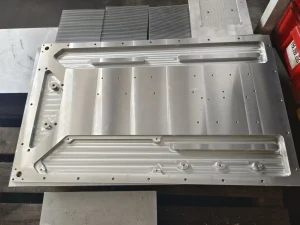
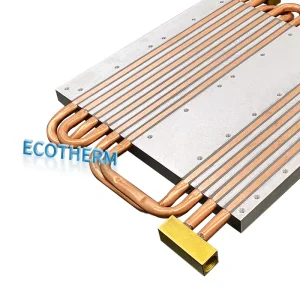
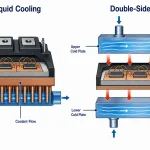
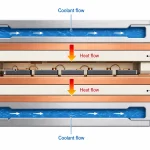
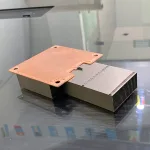
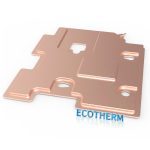
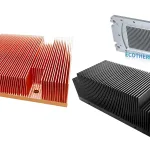
Custom heat sinks are a key component of liquid cooling setups for AI servers. Unlike traditional air-cooled heat sinks that depend on surface area and airflow, liquid-cooled heat sinks are designed for direct thermal transfer. These components, often referred to as liquid cold plates, are engineered to move heat from critical components like GPUs or CPUs directly into the coolant. Advanced designs, such as microchannel cold plates, improve heat transfer efficiency by increasing contact with the cooling medium.
- Improved thermal conductivity: Liquid cold plates use materials like copper or aluminum for efficient heat transfer.
- Tailored designs: Customization ensures compatibility with specific AI server configurations.
- Enhanced reliability: Liquid cooling reduces thermal stress on components, extending their lifespan.
Brands like Ecothermgroup specialize in creating custom thermal management components, including liquid cold plates and heat sinks, to address the specific needs of AI servers. These solutions are critical to the success of liquid cooling systems, ensuring optimal performance and energy efficiency.
Key Concepts to AI Server Liquid Cooling
AI server liquid cooling is a growing area of interest for many. Gaining a clear understanding of key concepts and best practices can lead to better outcomes in this field.
Several factors come into play when exploring AI server liquid cooling. First, it’s important to grasp the basics. Next, applying effective strategies can make a noticeable impact.
Understanding the Basics
This section highlights essential elements of the basics. Knowing these principles allows you to implement them more effectively in your setup.
Practical Applications
This section explores practical applications. With a solid understanding of these ideas, you can better tailor them to your specific needs.
Best Practices to AI Server Liquid Cooling
Understanding the Basics
AI server liquid cooling is rapidly becoming the preferred choice for high-density server environments due to its superior thermal management capabilities. Unlike air cooling, which relies on fans to dissipate heat, liquid cooling uses a coolant to directly absorb and transport heat away from critical components such as GPUs, CPUs, and accelerators. This method is particularly effective for managing localized hotspots created by the high thermal loads of AI workloads.
One key aspect of liquid cooling is the use of custom heat sinks designed specifically for AI servers. These heat sinks often incorporate technologies such as microchannel structures, which maximize surface area for heat transfer, and liquid cold plates, which ensure efficient thermal conduction. Additionally, direct-to-chip cooling systems are commonly used to target specific high-power components, reducing the risk of thermal bottlenecks and ensuring consistent performance across the server.
An advantage of liquid cooling is its ability to reduce overall energy consumption in AI data centers. By operating at lower delta temperatures, liquid-cooled systems reduce the workload on chillers and improve energy efficiency. For example, Ecothermgroup has developed advanced cold plate designs optimized for liquid cooling systems, delivering reliable thermal management for AI servers while minimizing operational costs.
Practical Applications
Implementing AI server liquid cooling requires adherence to best practices to ensure reliability and performance. Leak prevention is a critical consideration, as liquid cooling systems introduce risks not present with air cooling. Using sealed designs and corrosion-resistant materials for custom heat sinks is essential for minimizing failure risks. Additionally, regular maintenance schedules should be established to inspect for leaks and ensure the integrity of coolant pathways.
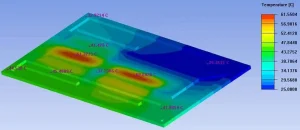
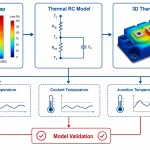
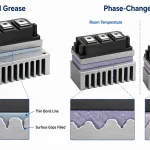
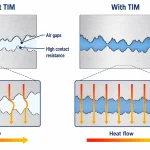
Thermal interface materials (TIMs) used in liquid-cooled systems must be carefully selected. High-conductivity TIMs are necessary to maintain efficient heat transfer between components and the cooling system, while durable TIMs are required to withstand the continuous cycling of liquid systems without degradation. Advanced thermal simulations during the design phase can help identify potential hotspots and optimize heat sink configurations to ensure uniform thermal dissipation.
For data centers transitioning from air cooling to liquid cooling, it’s essential to assess compatibility with existing infrastructure. Factors like rack density, power consumption, and cooling system scalability play a significant role in determining the feasibility of liquid cooling solutions. High-density racks benefit most from liquid cooling due to their compact design and high thermal loads, making this approach ideal for AI workloads and HPC environments.
| Cooling Method | Advantages |
|---|---|
| Air Cooling | Low initial cost, simple installation |
| Liquid Cooling | Superior thermal management, energy efficiency |
- Use corrosion-resistant materials for custom heat sinks.
- Perform regular maintenance to prevent leaks.
- Select high-conductivity thermal interface materials for liquid cooling systems.
- Optimize cold plate designs to target high-power components.
- Conduct thermal simulations to identify and resolve hotspots.
Implementation to ai server liquid cooling
Understanding the Basics
The implementation of AI server liquid cooling revolves around its ability to manage the heat generated by high-density computing hardware. As AI workloads become more demanding, traditional air cooling systems struggle to dissipate the heat produced by GPUs and CPUs effectively. Liquid cooling, particularly direct-to-chip liquid cooling, uses cold plates to extract heat directly from processors, providing superior thermal management.
Water, as a cooling medium, has a thermal conductivity approximately 3,300 times greater than air. This allows modern liquid cooling systems to handle racks exceeding 25 kW, far beyond the capabilities of air cooling. For instance, GPUs like the NVIDIA H100 can generate over 700W of heat per unit, necessitating advanced cooling solutions to maintain performance and prevent thermal throttling.
Transitioning to liquid cooling often requires modifications to custom heat sinks. Unlike the fin structures used in air-cooled systems, liquid-cooled systems integrate cold plates with microchannels. These cold plates come into direct contact with heat-generating components, ensuring efficient heat transfer. Ecothermgroup’s expertise in cold plate design emphasizes durability and performance under high coolant pressures, making them an excellent partner for implementing AI server liquid cooling solutions.
Practical Applications
AI server liquid cooling finds its primary applications in data centers housing high-density, high-power racks. This technology is particularly vital for AI training systems, HPC servers, and GPU-accelerated workloads, where maintaining optimal thermal environments is critical. Direct-to-chip liquid cooling (DLC) is a preferred choice for managing the extreme heat densities of these systems.
Hybrid cooling systems are also gaining traction. These combine liquid cooling for high-power components, such as GPUs and CPUs, with air cooling for less heat-intensive parts like SSDs and power supplies. Such setups strike a balance between cost-effectiveness and performance. However, one challenge with liquid cooling is the lack of traditional airflow, which can lead to thermal imbalances in secondary components. Addressing this issue often involves incorporating targeted micro-cooling solutions or designing hybrid architectures.
| Cooling Method | Key Features |
|---|---|
| Direct-to-Chip Liquid Cooling | Uses cold plates for direct heat transfer; supports high-density racks over 25 kW |
| Air Cooling | Relies on fans and airflow; limited to lower power densities |
| Hybrid Cooling | Combines liquid cooling for high-power components and air cooling for others |
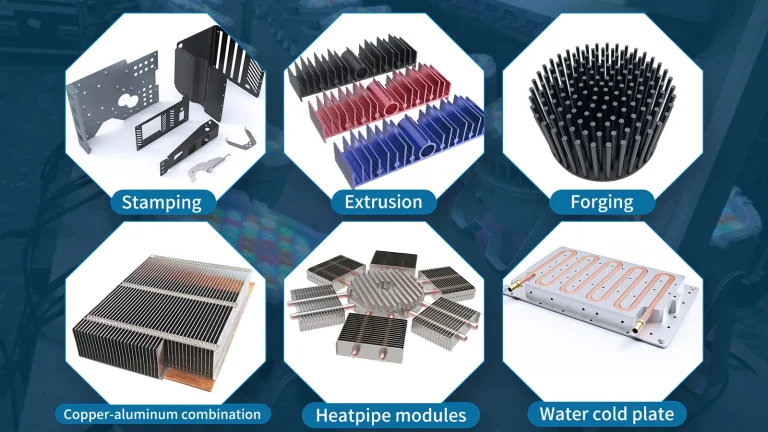
When implementing liquid cooling for AI servers, custom thermal components like liquid cold plates, skived heat sinks, and vapor chambers become essential. These components are tailored to specific hardware configurations, ensuring compatibility and optimal thermal performance. Ecothermgroup’s custom heat sink solutions offer an edge in designing efficient cooling systems for AI workloads.
- Improved energy efficiency: Liquid cooling can reduce cooling energy use by up to 90%.
- Enhanced system reliability: Maintains stable temperatures for high-power GPUs.
- Supports scalability: Ideal for expanding AI data center operations.
Ultimately, the shift to AI server liquid cooling represents not just a technological upgrade but a necessary adaptation to the growing demands of AI and HPC systems. By integrating advanced thermal management components and leveraging expertise from trusted providers like Ecothermgroup, organizations can ensure optimal performance and energy efficiency in their data centers.
Common Challenges to AI Server Liquid Cooling
AI server liquid cooling is becoming essential for managing the high heat levels generated by AI systems, especially in data centers with high-density servers. However, shifting from traditional air cooling to liquid cooling presents several challenges, particularly when designing custom heat sinks and thermal management components. Below, we outline the most common obstacles and considerations.
1. Integration with Custom Heat Sink Designs
One of the key challenges in adopting liquid cooling for AI servers is integrating custom heat sinks, such as liquid cold plates, into existing server setups. Unlike air cooling systems that use fans and standard heat sinks, liquid cooling involves more intricate thermal management designs, including precisely engineered cold plates. These need to be customized to the specific thermal requirements of GPUs, CPUs, and accelerators used in AI workloads. For instance, a GPU cold plate must address uneven heat distribution across the chip to ensure effective cooling.
Manufacturers like Ecothermgroup offer custom liquid cold plates designed for high-performance computing (HPC) environments. However, creating these components involves balancing factors like flow rate, material compatibility, and thermal conductivity, making the process more complex than traditional air cooling systems.
2. Maintenance and Leak Management
Liquid cooling brings the risk of leaks, which can cause hardware damage or downtime. Regular maintenance is crucial to maintain the integrity of cooling loops, particularly in high-density server environments where accessing individual components can be challenging. Using high-quality seals and corrosion-resistant materials, such as copper or aluminum alloys, helps reduce these risks but increases manufacturing complexity and costs.
3. Installation Space and Retrofitting
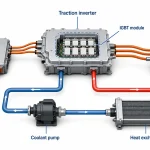
Retrofitting existing data centers for liquid cooling can be logistically challenging. Liquid-cooled systems often require additional components, such as pumps, reservoirs, and heat exchangers, which may not fit into standard rack layouts. Direct-to-chip cooling systems also need precise alignment of cold plates with processors, increasing installation time and complexity.
| Challenge | Impact |
|---|---|
| Custom Heat Sink Integration | Requires precise engineering and tailored designs for GPUs and CPUs |
| Leak Management | Risk of hardware damage; requires high-quality materials |
| Retrofitting | Space constraints and additional infrastructure requirements |
4. Cost Considerations
While liquid cooling is more effective at dissipating heat than air cooling, it involves higher upfront costs. Designing and manufacturing custom thermal components, such as microchannel cold plates, requires specialized expertise and equipment. Additionally, operational costs may rise due to the need for skilled personnel to manage and maintain the system.
5. Energy Consumption and Sustainability
Although liquid cooling is generally more energy-efficient than air cooling, it still presents sustainability challenges. Pumps and heat exchangers consume energy, and some coolants may have environmental implications. Data centers must weigh the energy efficiency benefits against the environmental impact of adopting liquid cooling solutions.
- Ensure compatibility between liquid cooling systems and existing server designs.
- Invest in high-quality materials to minimize maintenance and leak risks.
- Plan retrofitting projects with space and infrastructure requirements in mind.
By addressing these challenges, companies like Ecothermgroup help data centers maximize the advantages of AI server liquid cooling while improving thermal performance and minimizing operational risks.
People Also Ask
Why is liquid cooling becoming more popular for AI servers?
AI servers generate much more heat due to high-power-density workloads, making traditional air cooling less effective. Liquid cooling provides better thermal management, improved energy efficiency, and meets the growing demands of AI systems.
How does liquid cooling impact the design of custom heat sinks for AI servers?
Liquid cooling often requires custom heat sinks designed to enhance thermal transfer to the cooling medium, such as liquid channels or direct-to-chip cooling blocks. These designs differ from air-cooled heat sinks, which prioritize airflow and surface area.
What are the main differences between air cooling and liquid cooling for data centers?
Air cooling uses fans and airflow to dissipate heat but struggles with high-density systems. Liquid cooling uses fluids to absorb and transfer heat more efficiently, enabling better performance and energy savings in AI-focused data centers.
What role does liquid cooling play in reducing energy costs for AI servers?
Liquid cooling helps lower energy costs by improving thermal efficiency and reducing dependence on extensive air conditioning systems. This allows data centers to manage heat more effectively, especially in high-power-density setups common with AI workloads.
What are the key benefits of liquid cooling over air cooling for AI applications?
Liquid cooling delivers superior thermal management, supports higher server density, and boosts energy efficiency. These advantages are essential for meeting the intense computational demands of AI applications.
What challenges might arise when implementing liquid cooling in AI servers?
Challenges include higher initial costs, risks of leaks, and the need for specialized infrastructure and maintenance. Careful planning and expert installation can help address these issues.
Can liquid cooling be retrofitted into existing AI data centers?
Yes, liquid cooling can be retrofitted, but it requires significant modifications, including new heat sinks, plumbing systems, and cooling loops. The process may involve downtime and added expenses, but it can improve overall efficiency.
Is immersion cooling a type of liquid cooling, and how does it benefit AI servers?
Yes, immersion cooling is a form of liquid cooling where servers are placed in a thermally conductive non-conductive liquid. It offers excellent heat dissipation and is especially useful for high-performance AI servers requiring dense processing power.