Data Center Liquid Cooling Solutions Explained: Benefits, Types & Use Cases
As data centers expand in size and complexity, traditional cooling methods often fall short in managing increasing heat output and energy demands. Data center liquid cooling solutions provide a more efficient and sustainable approach to address these challenges, helping maintain optimal performance while reducing environmental impact. This article examines the advantages, types, and real-world applications of liquid cooling technologies in today’s data centers.
Introduction to Data Center Liquid Cooling Solutions
Data center liquid cooling solutions are revolutionizing how facilities handle rising thermal demands from high-performance computing (HPC) and dense server setups. Traditional air cooling systems often struggle with rack densities over 20 kW, while liquid cooling systems can efficiently manage up to 100 kW per rack or more. By using the superior thermal conductivity of liquids—roughly 3,500 times greater than air—these systems ensure efficient thermal management and reduce energy consumption.
Ecothermgroup and other innovators are advancing technologies like rear-door heat exchangers, direct-to-chip cooling, and immersion cooling. These solutions not only enhance energy efficiency but also support sustainability goals by lowering power usage effectiveness (PUE) and reducing water waste through closed-loop designs.
Why Liquid Cooling is Gaining Popularity
With the growth of AI, machine learning, and other compute-intensive applications, effective cooling systems are more important than ever. Liquid cooling meets these challenges by providing:
- Higher energy efficiency and reduced costs
- Scalability for high-density environments
- Improved sustainability with minimal environmental impact
These advantages make liquid cooling a key solution for modern data centers aiming to balance performance with environmental responsibility.
Comparison: Liquid Cooling vs Air Cooling
| Feature | Liquid Cooling | Air Cooling |
|---|---|---|
| Thermal Efficiency | High | Moderate |
| Rack Density Support | Up to 100 kW+ | 20-30 kW |
| Energy Consumption | Low | High |
| Sustainability | Excellent | Limited |
While air cooling works for low to medium-density setups, liquid cooling is the preferred choice for future-ready data centers with advanced computational needs.
Types of Data Center Liquid Cooling Solutions
Direct-to-Chip Cooling
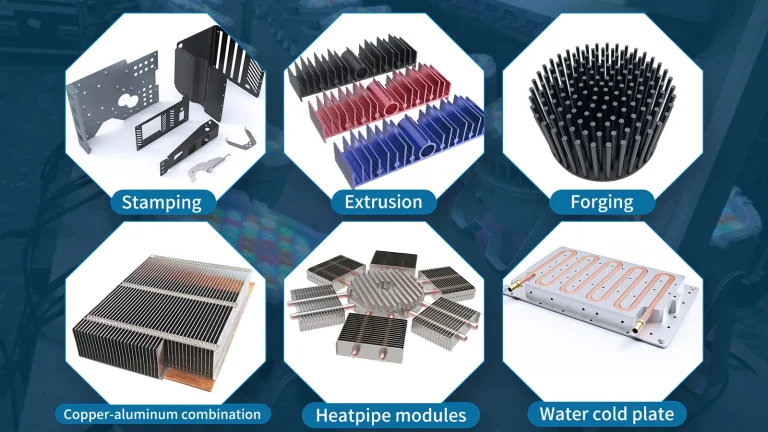
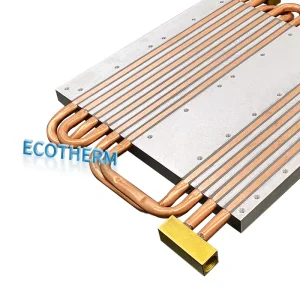
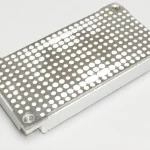
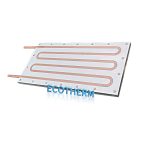
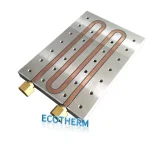
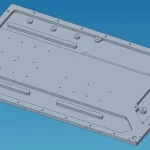
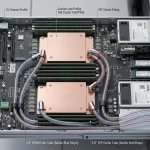
Direct-to-chip cooling is an efficient method that delivers liquid coolant directly to heat-generating components like CPUs, GPUs, and memory modules. It uses cold plates placed on the chips to absorb heat and transfer it to the liquid flowing through the system. Compared to traditional air-based cooling, direct-to-chip cooling handles higher thermal loads, making it ideal for high-density data centers and high-performance computing (HPC) environments.
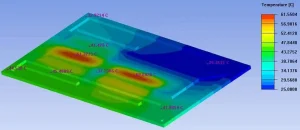
This method also reduces energy consumption. Studies show it can lower cooling power needs by up to 40%, improving overall power usage effectiveness (PUE). Additionally, it minimizes hotspots, ensuring consistent server performance. However, precise installation and leak prevention are crucial, as coolant leaks could damage sensitive equipment.
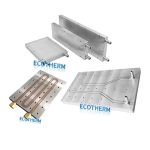
Brands like Ecothermgroup offer advanced direct-to-chip cooling systems designed for modern data centers, featuring efficient cold plates and modular setups for scalable deployment.
Immersion Cooling
Immersion cooling involves submerging servers in a non-conductive liquid that absorbs and dissipates heat. This approach eliminates fans and air cooling, resulting in quieter operations and lower energy usage. Immersion cooling is especially effective for ultra-high-density environments and workloads like AI, machine learning, and HPC, which generate substantial heat.
There are two main types: single-phase and two-phase. In single-phase systems, the liquid absorbs heat and circulates to an external heat exchanger. In two-phase systems, the liquid evaporates upon heat absorption and condenses back into liquid for reuse. While immersion cooling offers excellent thermal management, it requires specialized infrastructure and careful consideration of fluid properties and material compatibility.
- Single-phase immersion cooling: Simpler design, lower maintenance.
- Two-phase immersion cooling: Higher efficiency but more complex and costly.
As facilities prioritize sustainability and energy efficiency, adoption is increasing, with companies like Ecothermgroup offering reliable immersion cooling solutions.
Rear-Door Heat Exchangers
Rear-door heat exchangers (RDHx) combine liquid cooling with traditional air management. Mounted on the back of server racks, these systems use liquid-cooled panels to absorb heat from exhaust air before it re-enters the data center. This makes them ideal for retrofitting existing facilities and allows incremental upgrades to liquid cooling.
Rear-door heat exchangers reduce reliance on room-level cooling systems, lowering operational costs. They also provide a scalable solution for facilities transitioning to higher-density workloads without requiring a complete infrastructure overhaul.
| Feature | Rear-Door Heat Exchangers |
|---|---|
| Best Use Case | Retrofitting existing data centers |
| Cooling Efficiency | Moderate to high |
| Installation Complexity | Low to medium |
| Scalability | High |
For organizations seeking improved thermal management without major disruptions, rear-door heat exchangers from providers like Ecothermgroup offer an effective and affordable solution.
Benefits of Liquid Cooling for Data Centers
Energy Efficiency and Cost Savings
Data center liquid cooling solutions are far more energy-efficient than traditional air-based systems. Liquid’s superior thermal conductivity allows it to absorb and transfer heat up to 3,500 times more effectively than air. This efficiency enables operators to cool high-density workloads while using less power, leading to lower operational costs. For example, direct-to-chip cooling systems reduce energy consumption by focusing on critical heat-generating components like CPUs and GPUs.
Liquid cooling systems also improve Power Usage Effectiveness (PUE), a key efficiency metric for data centers. Industry data from sources such as Vertiv show that hybrid systems, which combine liquid cooling with traditional air systems, can cut overall costs by up to 30%. Over time, the energy savings often outweigh the higher initial investment in liquid cooling technologies.
Improved Performance for High-Density Racks
Modern data centers increasingly use high-density rack setups to meet growing computational demands, especially in high-performance computing (HPC) environments. Liquid cooling systems, including immersion and cold plate cooling, effectively manage the heat generated by these intensive operations.
For example, direct-to-chip cooling systems use a closed-loop design to dissipate heat directly at the chip level, ensuring that processors and other key components remain at optimal temperatures. This targeted approach not only boosts hardware reliability but also supports faster processing speeds and greater workload capacity. According to Araner, data centers using advanced liquid cooling report 20-30% better performance compared to those relying solely on air-based cooling.
Rack-level cooling solutions, such as rear-door heat exchangers, further improve thermal management by cooling the air exiting the racks, reducing the burden on central cooling systems. These technologies are especially useful for facilities handling diverse workloads, as they ensure consistent thermal performance across racks with varying densities.
Sustainability and Environmental Benefits
Adopting liquid cooling systems helps data centers align with sustainability goals by lowering their carbon and water footprints. Unlike traditional cooling methods that rely heavily on water for evaporative processes, closed-loop liquid cooling systems use significantly less water. For instance, immersion cooling eliminates water usage entirely by submerging components in non-conductive cooling liquids.
Liquid cooling also enables better use of waste heat. Some data centers repurpose this heat for secondary applications, such as district heating or powering nearby industrial operations, contributing to a circular energy economy. According to the U.S. Department of Energy, these practices can reduce greenhouse gas emissions while enhancing overall sustainability.
| Aspect | Benefit |
|---|---|
| Energy Efficiency | Reduces power consumption and improves PUE |
| Performance | Supports high-density workloads and HPC environments |
| Sustainability | Minimizes water usage and enables waste heat recovery |
- Direct-to-chip cooling enhances component reliability.
- Rear-door heat exchangers optimize airflow management.
- Closed-loop systems prevent water wastage.
Use Cases of Data Center Liquid Cooling Solutions
High-Performance Computing (HPC)
High-performance computing (HPC) environments require exceptional cooling efficiency to manage the intense heat generated by processors running at full capacity. Data center liquid cooling solutions, such as direct-to-chip cooling and immersion cooling, play a vital role in handling thermal loads in HPC systems, which often exceed 30 kW per rack. These technologies target heat at its source, maintaining stable performance even during heavy workloads.
For instance, direct-to-chip cooling uses cold plates to extract heat directly from CPUs and GPUs. This method reduces energy loss and lowers cooling power consumption by up to 50% compared to traditional air-based systems. Immersion cooling, where servers are submerged in a thermally conductive liquid, further boosts efficiency by eliminating the need for air handling units. These solutions enable HPC facilities to scale operations while ensuring optimal thermal management.
AI and Machine Learning Workloads
Artificial intelligence (AI) and machine learning (ML) workloads rely heavily on GPU-intensive architectures, which generate significant heat. Liquid cooling systems for data centers are increasingly used to support these workloads across industries like autonomous vehicles, healthcare, and financial analytics. Solutions such as rear door heat exchangers and cold plate cooling systems effectively handle the heat from high-density compute nodes.
Hybrid cooling systems, which combine liquid cooling for GPUs and air cooling for less demanding components, are also gaining popularity. These setups are ideal for retrofitting existing facilities while improving energy efficiency. For example, Ecothermgroup has implemented hybrid systems that cut cooling energy consumption by 40%, meeting sustainability goals and supporting efficient AI model training and inference processes.
Enterprise Data Centers and Edge Computing
Enterprise data centers and edge computing facilities face challenges such as space limitations and the need for localized processing. Rack-level cooling solutions are especially effective in these environments, offering precise thermal management for high-density equipment in compact spaces. Liquid cooling technologies support rack densities of up to 100 kW, allowing enterprises to maximize performance without expanding their physical footprint.
Edge computing applications, including IoT networks and 5G infrastructure, benefit greatly from liquid cooling’s ability to function reliably in diverse environments. Using systems like rear door heat exchangers, edge facilities achieve consistent thermal performance with minimal infrastructure changes. Additionally, the heat recovery capabilities of liquid cooling systems support growing sustainability efforts, adding value to edge deployments.
| Use Case | Recommended Cooling Solution |
|---|---|
| High-Performance Computing | Direct-to-chip cooling, immersion cooling |
| AI and Machine Learning | Rear door heat exchangers, cold plate cooling systems |
| Enterprise Data Centers | Rack-level cooling solutions, hybrid systems |
| Edge Computing | Rear door heat exchangers, localized liquid cooling |
- High-performance computing requires liquid cooling for stable operations at high rack densities.
- AI workloads demand GPU-optimized cooling technologies like cold plates and rear door heat exchangers.
- Enterprise and edge facilities benefit from compact, efficient liquid cooling systems tailored to space constraints.
Challenges and Considerations in Liquid Cooling Integration
Installation and Infrastructure Modifications
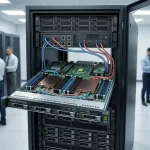
Integrating data center liquid cooling solutions often requires significant changes to existing infrastructure. Unlike traditional air-based cooling systems, liquid cooling relies on specialized components such as coolant distribution units (CDUs), pumps, and piping systems. These updates must be carefully planned to align with current data center layouts. For example, retrofitting a cold plate cooling system may involve adjustments to server racks and floor layouts to accommodate coolant lines and ensure access for maintenance.
Hybrid systems, which combine liquid cooling for high-density components with air cooling for other hardware, are commonly used during the transition from air-based systems. This approach reduces retrofitting complexity while ensuring efficient heat management. However, operators must address challenges such as floor load limitations, as liquid cooling components can add more weight compared to air cooling systems.
| Component | Potential Modification |
|---|---|
| Coolant Distribution Units (CDUs) | Installation of centralized or rack-level units |
| Piping Systems | Integration of leak-proof coolant lines |
| Server Racks | Modifications for cold plates or rear door heat exchangers |
Maintenance and Operational Complexity
While liquid cooling systems provide enhanced thermal efficiency, they also add operational complexities. Regular maintenance is essential to prevent issues such as coolant leaks, pump failures, and the degradation of thermal transfer materials. Operators should implement monitoring systems to detect anomalies early and prevent disruptions caused by overheating or coolant contamination.
Material compatibility is another critical factor. Using metals with different electrochemical properties can cause galvanic corrosion, reducing the reliability and lifespan of cooling components. Best practices recommend maintaining a registry of wetted materials and selecting corrosion-resistant options like stainless steel or compatible alloys for piping and fittings.
- Ensure joints and connections are properly sealed to avoid leaks.
- Routinely inspect and replace coolant to prevent sediment buildup.
- Train personnel to handle emergencies such as leaks or pump failures.
Total Cost of Ownership (TCO) Analysis
One of the key factors in adopting high-density data center cooling solutions is the total cost of ownership (TCO). While liquid cooling systems can lower operational costs through better energy efficiency, the initial investment is typically higher than air cooling systems. Expenses include purchasing specialized equipment, upgrading infrastructure, and training staff to manage the system.
To justify these investments, operators must evaluate long-term savings. For instance, direct-to-chip cooling technology can cut energy usage by up to 30% compared to air cooling, particularly for high-performance computing (HPC) workloads. Additionally, liquid cooling supports higher rack densities, reducing the need for additional floor space and potentially lowering real estate costs.
| Cost Factor | Air Cooling | Liquid Cooling |
|---|---|---|
| Initial Investment | Lower | Higher |
| Energy Efficiency | Moderate | High |
| Maintenance Costs | Lower | Moderate |
| Scalability for HPC | Limited | Highly Scalable |
Brands like Ecothermgroup can assist operators in conducting detailed TCO analyses and planning infrastructure upgrades tailored to specific workloads and cooling requirements.
Future Trends in Data Center Liquid Cooling
Advancements in Liquid Cooling Technologies
As computational demands grow, data center liquid cooling solutions are advancing to meet the needs of high-density environments. Direct-to-chip cooling and cold plate cooling systems are becoming more effective, offering precise thermal management at the processor level. These technologies enable data centers to handle workloads like high-performance computing (HPC) and artificial intelligence (AI) while maintaining stable temperatures.
Rear door heat exchangers are another emerging option, providing space-efficient cooling by integrating directly with server racks. Additionally, immersion cooling systems, where hardware is submerged in dielectric fluids, are gaining popularity for their ability to evenly dissipate heat across components. Industry reports show that facilities using immersion cooling have achieved energy savings of up to 40% compared to traditional air cooling methods.
Modular liquid cooling systems are also making an impact. These solutions simplify integration and scalability, allowing data centers to transition from air cooling to liquid-ready setups more easily. Ecothermgroup, a leader in thermal management, is driving innovation in this area with products designed for both efficiency and reliability.
Integration with Sustainability Goals
Liquid cooling systems are increasingly valued for their role in sustainability. By cutting energy consumption and enabling heat reuse, they support data centers in meeting environmental, social, and governance (ESG) goals. For example, facilities using liquid cooling can redirect waste heat to nearby buildings or industrial processes, reducing overall energy waste.
Studies indicate that liquid cooling can lower energy usage by 30-50% compared to traditional air-based systems. This aligns with global efforts to adopt greener operations, especially as data centers account for a growing share of global energy consumption. Ecothermgroup is at the forefront of building sustainable cooling solutions that balance performance with environmental responsibility.
| Cooling Method | Energy Efficiency Improvement |
|---|---|
| Direct-to-Chip Cooling | 30-40% |
| Immersion Cooling | Up to 50% |
| Rear Door Heat Exchangers | 20-30% |
Growing Adoption in Emerging Markets
The adoption of liquid cooling systems is expanding rapidly in emerging markets such as India, Southeast Asia, and parts of South America. These regions are seeing increased data center construction driven by demand for cloud computing and digital services. High-density cooling solutions, including liquid cooling, are being prioritized to address challenges like limited space and high energy costs.
Governments and enterprises in these markets are focusing on future-proofing new facilities. This includes designing data centers with liquid-ready infrastructure, enabling operators to adopt advanced cooling technologies seamlessly. Such planning minimizes long-term costs and avoids disruptive retrofits.
- Asia-Pacific: Significant growth in data center construction driven by cloud service providers.
- Latin America: Growing interest in energy-efficient cooling to address high electricity costs.
- Middle East: Increased adoption of HPC liquid cooling for AI and analytics workloads.
As these trends evolve, liquid cooling is set to become a cornerstone of next-generation data center infrastructure, playing a critical role in thermal management.
People Also Ask
What are data center liquid cooling solutions, and why are they important?
Data center liquid cooling solutions use liquids like water or specialized coolants to absorb and dissipate heat from IT equipment. They are essential for managing high-density workloads, improving energy efficiency, and supporting sustainability goals compared to traditional air cooling methods.
What are the main types of data center liquid cooling solutions?
The primary types of liquid cooling solutions include rear-door heat exchangers, direct-to-chip cooling, and immersion cooling. Each option offers specific advantages for addressing modern data center cooling challenges.
What are the benefits of liquid cooling for data centers compared to air cooling?
Liquid cooling delivers better thermal efficiency, supports higher rack densities, and reduces energy consumption. It also lowers the environmental impact of data centers by decreasing their carbon footprint.
What are some common use cases for data center liquid cooling solutions?
Liquid cooling is ideal for high-performance computing (HPC), artificial intelligence (AI) workloads, and data centers with high-density racks. It is also used in edge computing environments where space and cooling efficiency are critical.
How does immersion cooling work in a data center?
In immersion cooling, servers are submerged in a thermally conductive but non-electrically conductive liquid. This approach allows heat to transfer directly from the components to the liquid, providing excellent cooling performance.
What challenges should be considered when integrating liquid cooling in data centers?
Challenges can include higher initial costs, potential maintenance complexities, and the need for specialized infrastructure. However, these are often offset by long-term energy savings and enhanced performance.
Are liquid cooling solutions more sustainable than air cooling in data centers?
Yes, liquid cooling is typically more sustainable since it uses less energy and reduces dependence on large HVAC systems. It also helps data centers achieve greater efficiency and a smaller environmental footprint.
What future trends are emerging in data center liquid cooling solutions?
Emerging trends include the growing adoption of immersion cooling, innovations in coolant materials, and the integration of liquid cooling with AI-powered monitoring systems. These developments aim to improve performance, efficiency, and sustainability.