Air Cooling vs Liquid Cooling in Data Centers: Which Solution Is Better?
Efficient heat management is a critical challenge in modern data centers, as excessive temperatures can result in costly downtime and reduced performance. This article compares air cooling with data center liquid cooling solutions, helping you decide which option best fits your requirements.
Introduction to Data Center Cooling
Why Cooling Systems Are Essential
Data centers form the core of digital infrastructure, hosting servers that handle vast amounts of data nonstop. These servers produce significant heat due to demanding workloads like AI applications and HPC systems. Proper cooling is crucial to prevent overheating, which can cause hardware failures, lower efficiency, and increase operational costs. Cooling systems also help maintain stable thermal resistance, ensuring optimal chip and component performance. As heat management becomes more complex with increasing densities, advanced cooling designs such as liquid cooling loops are becoming essential for modern data center operations.
Overview of Air and Liquid Cooling
Air cooling, a traditional method, uses fans and airflow to remove heat from servers. It is cost-effective and straightforward to set up but struggles with high-density workloads above 15–20 kW per rack. Liquid cooling offers a more advanced approach, using coolant distribution units (CDUs) and closed-loop systems to manage heat directly at the chip level. This method is up to 3,000 times more thermally efficient than air cooling, making it ideal for AI and high-density data centers. Ecothermgroup highlights liquid cooling’s ability to reduce energy use while enhancing performance.
| Cooling Method | Key Features |
|---|---|
| Air Cooling | Cost-effective, suitable for moderate workloads, less efficient at high densities |
| Liquid Cooling | Highly efficient, ideal for high-density and AI workloads, higher upfront costs |
- Air cooling is simpler and widely used for small to medium data centers.
- Liquid cooling is highly effective in high-density environments and HPC systems.
Air Cooling Systems in Data Centers
How Air Cooling Works
Air cooling systems have been a key component of data center cooling for decades. These systems use the circulation of cool air to manage the heat produced by servers and other equipment. Typically, air cooling employs fans, air handlers, and ductwork to direct cool air into the data center and remove warm air. A common approach in air-cooled facilities is the hot-aisle/cold-aisle containment strategy, where server rows are arranged to separate cold air intake from hot air exhaust. This setup improves airflow efficiency and reduces energy waste.
Air cooling works by using air as a medium to transfer heat away from electronic components. While air has a lower thermal capacity than liquid, it offers a straightforward and cost-effective option for cooling data centers with moderate server heat management needs. However, as server densities and computational demands grow, the limitations of air cooling become evident, particularly when managing high-performance computing (HPC) or artificial intelligence (AI) workloads.
Advantages and Limitations of Air Cooling
Air cooling systems provide several benefits, especially in environments where simplicity, reliability, and cost control are priorities. They are easier to install and maintain compared to more complex alternatives like liquid cooling systems. Additionally, the absence of liquids eliminates concerns about leaks or the need for a coolant distribution unit (CDU).
That said, air cooling has its drawbacks. Air’s low thermal capacity makes it less effective for managing the high heat loads generated by dense server configurations or advanced chip-level cooling requirements. This inefficiency can result in higher energy costs to maintain appropriate temperatures. Moreover, air cooling systems often struggle to meet the thermal demands of modern applications like AI and machine learning, where data center liquid cooling solutions are becoming more popular.
| Aspect | Air Cooling | Liquid Cooling |
|---|---|---|
| Thermal Capacity | Low | High |
| Installation Complexity | Low | High |
| Energy Efficiency | Moderate | High |
| Maintenance | Simple | Complex |
| Cost (Upfront) | Lower | Higher |
Despite these challenges, air cooling remains a flexible and scalable solution for many businesses. It works well in facilities with lower density workloads or where budget constraints are a factor. However, as the industry moves toward more energy-efficient and performance-driven solutions, brands like Ecothermgroup are developing innovative liquid cooling technologies to address the changing needs of modern data centers.
- Cost-effective and straightforward for low-density workloads
- Less suitable for high-performance computing needs
- Increasingly complemented by liquid cooling in advanced setups
Data Center Liquid Cooling Solutions
How Liquid Cooling Works
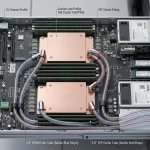
Data center liquid cooling solutions use fluids to transfer heat away from servers and other equipment, offering more efficient heat dissipation compared to traditional air cooling methods. The process typically involves a liquid cooling loop, where coolant circulates through pipes, coming into direct contact with heat-generating components or passing through a heat exchanger. The heat is then transferred to a cooling unit, such as a coolant distribution unit (CDU), where it is either dissipated into the environment or reused in secondary applications.
Two main mechanisms are used: direct-to-chip cooling, where liquid directly contacts components like CPUs or GPUs, and immersion cooling, where servers are completely submerged in a dielectric liquid. These methods reduce thermal resistance and enhance heat management, ensuring optimal performance even during high-density workloads. By reducing reliance on air cooling, liquid cooling can handle extreme thermal loads and power densities of 50-100 kW per rack, which are beyond the capabilities of air cooling systems.
Types of Liquid Cooling Systems
Liquid cooling systems for data centers are categorized based on their design and application. The main types include:
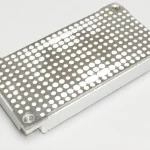
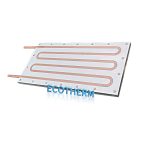
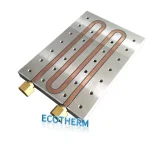
- Direct-to-Chip Cooling: Cold plates are attached to heat-generating components like processors. Coolant flows through these plates to absorb heat and carry it away.
- Immersion Cooling: Servers are submerged in a thermally conductive, non-electrically conductive liquid. This method provides uniform cooling and is ideal for high-performance computing (HPC) systems.
- Closed Loop Liquid Cooling: A sealed system where coolant circulates within a closed loop, minimizing evaporation and contamination risks.
- Hybrid Cooling Systems: Combines air and liquid cooling to optimize efficiency. High-density servers use liquid cooling, while air cooling handles less demanding equipment.
Each system has specific advantages for different use cases. For instance, immersion cooling works well for AI applications, while closed loop systems are easier to integrate into existing setups.
Benefits of Liquid Cooling
Data center liquid cooling solutions offer many advantages, making them ideal for modern facilities, especially those handling high-density or HPC workloads. Below is a table summarizing the key benefits compared to air cooling:
| Benefit | Details |
|---|---|
| Higher Efficiency | Liquid cooling achieves lower Power Usage Effectiveness (PUE), often as low as 1.03, compared to 1.35 or higher for advanced air cooling systems. |
| Improved Heat Dissipation | Handles power densities exceeding 100 kW per rack, compared to 15-20 kW for air cooling. |
| Space Savings | Eliminates large air handling units, freeing up valuable floor space for server racks. |
| Environmental Sustainability | Reduces water use by up to 98%, an important factor for regions with limited water resources. |
| Long-Term Cost Savings | Although the initial investment is higher, operational costs are lower due to improved energy efficiency. |
One critical advantage is the ability of liquid cooling to support AI and HPC workloads, which generate significant heat due to intense processing demands. This makes liquid cooling essential for organizations using technologies like machine learning and real-time data analytics.
Ecothermgroup is a leader in advanced liquid cooling solutions, offering innovative designs and chip-level cooling systems that help data centers achieve maximum efficiency while reducing environmental impact.
Looking ahead, liquid cooling is poised to dominate data center cooling, driven by stricter environmental regulations and the increasing heat output of modern hardware. As hybrid and immersion cooling technologies evolve, they will provide even more flexibility and efficiency for data center operators worldwide.
Comparing Air Cooling and Liquid Cooling
Energy Efficiency and Thermal Management
Air cooling has long been the standard for data centers due to its simplicity and ease of setup. However, as server power densities increase, air cooling often struggles to handle the heat effectively. Fans and air distribution systems have limitations in managing rising thermal loads. In contrast, liquid cooling solutions perform exceptionally well in high-density environments. Liquids transfer heat up to 3,000 times more efficiently than air, making them a superior choice for handling heat in high-performance computing (HPC) systems and AI workloads.
For example, closed-loop liquid cooling systems can directly cool components such as CPUs and GPUs at the chip level, significantly reducing the reliance on large-scale air movement. Additionally, the coolant distribution unit (CDU) in these systems offers precise thermal management, ensuring optimal temperatures for high-power servers. Research shows that liquid cooling can reduce energy consumption by up to 40% compared to traditional air cooling, supporting sustainability goals in modern data center designs.
Cost Implications
Air cooling is less expensive to install initially, but operational costs can rise due to the energy demands of fans and cooling towers. Liquid cooling, on the other hand, has higher upfront costs, particularly when retrofitting existing facilities. For instance, transitioning to liquid cooling may cost $2–3 million per megawatt of infrastructure. However, these costs are often offset over time through lower energy bills and improved efficiency.
Hybrid approaches are gaining traction, combining the lower upfront costs of air cooling with the efficiency of liquid cooling for high-density workloads. Companies like Ecothermgroup offer innovative solutions that strike a balance between initial investment and long-term savings, helping data centers achieve both cost-efficiency and performance optimization.
| Aspect | Air Cooling | Liquid Cooling |
|---|---|---|
| Installation Cost | Low | High |
| Energy Efficiency | Moderate | High (up to 40% savings) |
| Maintenance Complexity | Low | Moderate to High |
| Ideal Workload | Low to Moderate Density | High Density (HPC, AI) |
Scalability and Future-Proofing
Scalability is a key consideration in cooling infrastructure, especially as data centers handle increasing demands from AI and HPC applications. Air cooling systems are easier to scale for lower-density workloads but often fall short in meeting the thermal demands of advanced computing technologies. Liquid cooling, with its ability to manage heat directly at the chip level, is better equipped for future workloads.
Innovations such as immersion cooling and advanced liquid loop designs are shaping the future of data center cooling. These technologies offer greater efficiency and enhanced thermal control, ensuring data centers can adapt to changing industry needs. As organizations focus on sustainability and performance, liquid cooling is set to play a vital role in modernizing data center operations.
- Air cooling works well for smaller, less demanding environments.
- Liquid cooling is essential for high-density HPC and AI applications.
- Hybrid systems provide a balanced approach for mixed workloads.
Choosing the Right Cooling Solution
Factors to Consider
When selecting between air cooling and data center liquid cooling solutions, several key factors should be evaluated. One major consideration is the heat dissipation capacity. Liquid cooling systems can transfer heat up to 3,000 times more effectively than air, making them ideal for high-density workloads such as AI, HPC, and chip-level cooling. In contrast, air cooling works well in lower-density environments, typically under 15 kW per rack, where its simplicity and lower initial cost are advantageous.
Energy efficiency is another crucial factor. Liquid cooling systems often achieve PUE values as low as 1.03 to 1.08, compared to 1.35 to 1.80 for advanced air-cooling setups. This results in lower operational costs, especially for facilities running demanding workloads. Sustainability goals may also influence the decision. Liquid cooling systems consume less water and energy, aligning with eco-friendly objectives in regions facing water scarcity or strict environmental regulations.
Maintenance and infrastructure design are additional considerations. Air cooling systems are easier to maintain and require less specialized equipment, while liquid cooling involves a more complex setup, including coolant distribution units (CDUs) and liquid cooling loops. However, brands like Ecothermgroup offer advanced solutions that simplify closed-loop liquid cooling implementations, ensuring reliability and effective thermal management even in challenging environments.
Use Cases for Air vs. Liquid Cooling
Different applications determine the most suitable cooling solution. For small to mid-sized data centers with moderate power densities, air cooling is a practical choice. Its ease of installation, lower upfront costs, and compatibility with traditional raised floor designs make it an economical solution for legacy systems and general-purpose workloads.
In contrast, liquid cooling is essential for high-performance computing (HPC) systems and data centers managing significant server heat flux. Facilities handling AI workloads or advanced analytics benefit from liquid cooling’s ability to manage localized heat at the chip level efficiently, ensuring stable performance and system longevity. Modern cooling infrastructure designs also utilize liquid cooling for scalability, making it a cornerstone of next-generation data centers.
| Cooling Solution | Best Use Cases |
|---|---|
| Air Cooling | Small to mid-sized data centers, moderate workloads, and facilities under 15 kW per rack |
| Liquid Cooling | High-density AI, HPC, chip-level cooling, and facilities exceeding 15 kW per rack |
- Evaluate workload density before choosing a solution.
- Consider sustainability and energy efficiency goals.
- Consult with cooling experts such as Ecothermgroup to optimize system design.
The Future of Data Center Cooling
Emerging Technologies
The future of data center cooling is being driven by the increasing adoption of advanced technologies, particularly data center liquid cooling solutions. These systems are becoming the go-to choice for high-density workloads like AI and HPC due to their superior ability to manage server heat. Unlike air cooling, which struggles with heat management in dense environments, liquid cooling is up to 1,000 times more effective at dissipating heat. Innovations such as chip-level cooling and closed loop liquid cooling systems are shaping the path for next-generation data centers.
One notable advancement is immersion cooling, where servers are submerged in a thermally conductive, non-electrically conductive liquid. This approach removes the need for traditional air cooling setups, cutting energy costs and improving cooling efficiency. Another key innovation involves coolant distribution units (CDUs), which optimize liquid cooling loop designs and deliver precise thermal management for high-performance servers. Hybrid systems that combine air and liquid cooling are also gaining popularity, offering a balance of performance and cost-efficiency.
| Technology | Key Benefit |
|---|---|
| Chip-Level Cooling | Directly cools high-heat components like CPUs and GPUs |
| Immersion Cooling | Maximizes heat dissipation and reduces energy consumption |
| Closed Loop Liquid Cooling | Minimizes fluid loss and simplifies maintenance |
Impact on Sustainability and AI Workloads
As data centers evolve, sustainability has become a major focus. Data center liquid cooling solutions align with green initiatives, using up to 98% less water compared to traditional evaporative cooling methods. These systems also achieve Power Usage Effectiveness (PUE) ratings as low as 1.03, a significant improvement over air cooling. This makes liquid cooling a key element in environmentally conscious data center designs, especially for businesses looking to reduce their carbon footprint.
AI workloads, which require immense computational power, are accelerating the demand for efficient cooling systems. Liquid cooling effectively handles the intense heat produced by GPU clusters and AI servers, ensuring optimal performance without overheating risks. For example, direct-to-chip cooling is vital for managing the high heat generated by these workloads. Companies like Ecothermgroup are at the forefront of developing innovative cooling solutions tailored for AI and HPC systems, delivering both reliability and efficiency.
- Reduces water consumption by up to 98%
- Achieves lower PUE ratings (as low as 1.03)
- Supports high-density server racks (50 kW+)
The future of data center cooling lies in adopting liquid cooling technologies that address performance and sustainability challenges. By integrating these advanced systems, data centers can meet the growing demands of AI and HPC workloads while minimizing their environmental impact. With industry leaders like Ecothermgroup driving innovation, liquid cooling is set to become the standard for next-generation data centers.
People Also Ask
What is the primary difference between air cooling and liquid cooling in data centers?
The main difference is the medium used to remove heat. Air cooling relies on fans or air circulation, while liquid cooling uses water or other coolants, which are more effective at transferring heat from high-density equipment.
Why are data center liquid cooling solutions considered more efficient for high-performance workloads?
Liquid cooling is more efficient because liquids have better thermal conductivity than air, allowing them to transfer heat more effectively. This makes them ideal for AI and high-performance computing tasks that generate a lot of heat.
What are the cost implications of switching to liquid cooling in a data center?
Liquid cooling systems often come with higher initial costs due to specialized equipment. However, they can lower long-term operational expenses by improving energy efficiency and reducing reliance on large air conditioning systems.
Is immersion cooling the same as liquid cooling in data centers?
No, immersion cooling is a type of liquid cooling where servers are fully submerged in dielectric fluids. Traditional liquid cooling uses circulating liquids through pipes or cold plates without submerging the hardware.
Which cooling solution is better for smaller data centers: air cooling or liquid cooling?
For smaller data centers with lower heat output, air cooling is often sufficient and more affordable. However, as workloads increase, liquid cooling can offer better thermal management and efficiency.
Can liquid cooling systems be retrofitted into existing data centers?
Yes, liquid cooling systems can be retrofitted, but it requires careful planning to incorporate the necessary infrastructure, such as piping and coolant distribution, without disrupting operations.
What are the environmental benefits of data center liquid cooling solutions?
Liquid cooling typically uses less energy than air cooling, helping to lower the carbon footprint. Some systems also recycle excess heat for other applications, enhancing sustainability.
What trends are shaping the future of data center cooling technologies?
Key trends include the rise of immersion cooling, hybrid systems that combine air and liquid cooling, and using AI to optimize cooling efficiency. These advancements aim to support increasing computational demands while minimizing energy use.