Custom Heat Sinks and Liquid Cold Plates for High-Power AI Systems
As AI systems grow more powerful, managing heat becomes a critical challenge that can impact performance, reliability, and energy efficiency. This article explains how custom heat sinks and liquid cold plates enhance ai cooling, allowing high-power AI hardware to operate efficiently under demanding workloads.
What Is AI Cooling?
AI Cooling Definition
AI cooling refers to the thermal management methods used to maintain safe and efficient operating temperatures in high-power AI systems. These systems, including servers, GPUs, and accelerator cards, generate substantial heat due to intensive computing workloads. Effective ai cooling helps maintain reliability, reduce the risk of thermal throttling, and support long-term component life. Common solutions include custom heat sinks and liquid cold plates designed to remove heat efficiently from high-density electronics. Airsys North America notes that application-specific designs, such as CNC-machined aluminum or copper cold plates, can be developed to meet the unique thermal requirements of AI hardware.
Why Thermal Management Matters for AI Infrastructure
High-power AI systems require accurate and consistent thermal control. Without effective heat dissipation for AI systems, servers can overheat, leading to reduced performance and a higher risk of hardware issues. Thermal management for AI servers typically involves evaluating heat loads, selecting suitable materials, and optimizing airflow or liquid cooling paths. Custom thermal solutions may help improve energy efficiency, reduce operating noise, and support higher processing densities when properly designed for the application. According to CoreSite, advanced thermal management systems play an important role in helping data centers balance cooling requirements with equipment reliability, especially in high-density computing environments.
Applications in AI Servers, GPUs, Edge AI, and Power Electronics
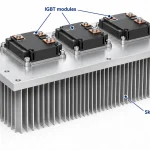
AI cooling solutions are used across a wide range of hardware platforms. In GPUs designed for AI workloads, liquid cold plates can help maintain stable operating temperatures during demanding processing tasks. Edge AI hardware often requires compact cooling solutions that fit within limited space constraints. Power electronics, including IGBT modules and inverters, can also benefit from dedicated cooling plates that help manage thermal loads. Custom heat sinks and liquid cold plates can be tailored for these applications through thermal simulation, engineering validation, and prototype-to-production manufacturing processes.
| Application | Recommended Cooling Solution |
|---|---|
| AI Servers | Custom aluminum heat sink with liquid cold plate integration |
| GPU Accelerators | Copper liquid cold plate with optimized flow channel design |
| Edge AI Devices | Compact CNC-machined heat sinks |
| Power Electronics | High-performance cooling plates for IGBT and inverter modules |
- Assess the thermal load of each AI component.
- Select materials and cooling designs based on heat transfer requirements and system constraints.
- Integrate custom heat sinks or liquid cold plates with appropriate mounting methods and flow rate considerations.
AI thermal management is not a one-size-fits-all process. Choosing the right combination of heat sink design, cold plate engineering, material selection, and thermal simulation can help support reliable operation across AI servers, GPUs, edge devices, and power electronics while addressing application-specific thermal requirements.
Selecting the Right AI Cooling Solution
Custom Heat Sinks vs Liquid Cold Plates
The right ai cooling solution depends on heat load, available space, and overall system architecture. For moderate thermal loads, custom heat sinks are often a practical and cost-effective choice. For high-power AI system cooling, particularly in dense GPU clusters, liquid cold plate cooling is frequently used because it can move heat away from critical components more effectively.
Industry guidance from data center operators and thermal engineering teams indicates that AI servers generate concentrated heat from GPUs and accelerator cards. As rack densities increase, traditional air-based cooling methods can become more difficult to scale. In these environments, custom liquid cold plates are often considered for advanced thermal management systems.
| Solution | Best Use Case |
|---|---|
| Custom heat sinks | Moderate heat loads, simpler integration, edge AI hardware cooling |
| Custom liquid cold plates | High-density computing cooling, AI servers, accelerator card cooling |
Cooling Requirements for AI Servers and Accelerator Cards
Effective ai thermal management begins with a clear understanding of the actual thermal load. AI servers, GPU cooling for AI workloads, and power electronics often require thermal design for AI equipment that addresses heat dissipation, airflow constraints, and extended operating cycles.
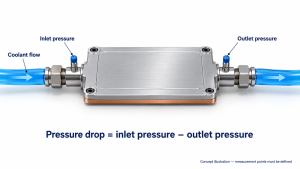
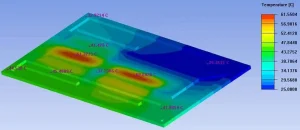
Many engineering teams use thermal simulation analysis before selecting ai hardware cooling solutions. This process helps estimate temperature distribution, pressure drop, coolant flow requirements, and potential hot spots before prototype development. Common material options include custom aluminum heat sink designs for weight-sensitive applications and copper liquid cold plate designs where higher thermal conductivity may be required.
For thermal management for AI servers, design teams typically evaluate:
- Total heat load and power density
- Available installation space
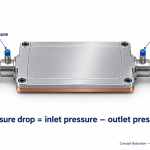
- Coolant flow rate and pressure drop targets
- Surface flatness requirements
- Future production volume and scalability
Key Selection Factors
When comparing custom thermal solution development options, buyers should share application requirements early in the process. A custom heat sink manufacturer or liquid cold plate manufacturer can review design requirements for manufacturability and recommend suitable heat sink design optimization or cold plate design engineering approaches.
For high-power electronics cooling, including thermal solutions for IGBT modules, inverter thermal management, and power semiconductor cooling, selection decisions should be based on measured thermal requirements rather than estimated performance. Temperature reductions and efficiency improvements vary by application and should be verified through testing and validation.
To request a custom heat sink quote or cold plate proposal, prepare the following information:
- Engineering drawings or 3D models
- Heat load and operating conditions
- Material preferences
- Prototype and production quantities
- Application details and reliability requirements
This structured approach supports reliable electronic cooling for AI infrastructure while helping reduce development risk from prototype through production thermal solutions.
Custom Heat Sink and Cold Plate Engineering
Custom heat sinks and liquid cold plates are key ai cooling technologies used to manage the thermal loads generated by AI servers, GPUs, and accelerator cards. For high-power ai system cooling, engineering teams often combine custom heat sinks, liquid cold plate cooling, and thermal validation methods to support reliable heat dissipation and stable operation across demanding AI workloads.
Custom Heat Sink Design Process
The design process starts with evaluating heat load, available space, airflow conditions, and component layout. In thermal management for ai servers, engineers assess whether a custom aluminum heat sink or an alternative material can meet thermal resistance requirements while fitting within the system’s physical constraints.
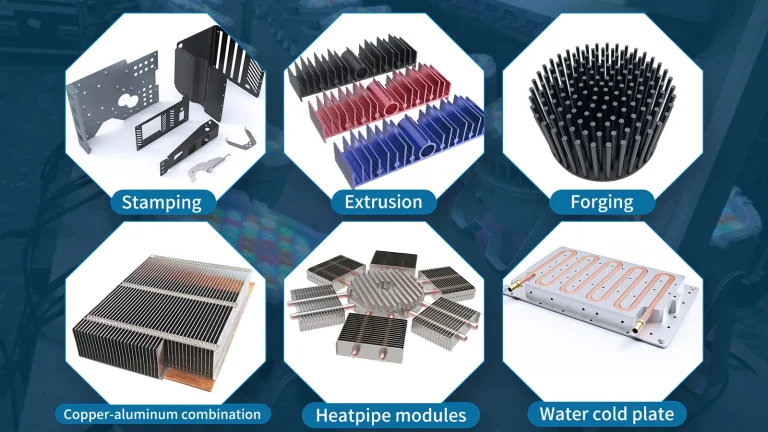
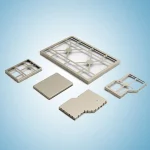
Precision CNC machining and aluminum extrusion heat sink manufacturing are commonly used to produce ai server heat sinks and high-power electronics heat sinks tailored to specific hardware requirements. Data center operators and AI hardware designers typically provide application details, drawings, expected operating conditions, and production volumes to support design-for-manufacturing reviews and project planning.
- Component heat load and power density
- Available installation space
- Material selection and weight limits
- Prototype and production volume requirements
Custom Liquid Cold Plate Design
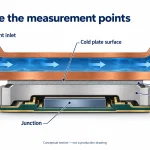
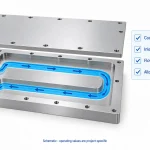
When heat density moves beyond the practical range of air-cooled solutions, custom liquid cold plates can provide an effective approach to ai thermal management. Cold plates for ai servers are often designed with internal flow channels that transfer heat directly from GPUs, processors, power semiconductors, or IGBT modules to a circulating coolant loop.
| Design Factor | Engineering Consideration |
|---|---|
| Material | Custom aluminum heat sink structures or copper liquid cold plate designs |
| Flow Rate | Should balance cooling performance and pressure-drop requirements |
| Surface Flatness | Supports efficient thermal contact with electronic components |
| Application | AI servers, inverter thermal management, and power semiconductor cooling |
For custom cold plate manufacturing projects, buyers should prepare thermal requirements, coolant specifications, pressure-drop limits, technical drawings, and expected order quantities when requesting a custom heat sink quote or cold plate engineering services.
Thermal Simulation and Design Validation
Thermal simulation analysis is an important part of custom thermal solution development. Engineers use thermal engineering design tools to evaluate temperatures, airflow effects, coolant behavior, and potential hot spots before prototype fabrication begins.
- Create a thermal model using CAD data.
- Run heat transfer and flow simulations.
- Build prototypes for testing.
- Validate results and refine the design.
For advanced thermal management systems used in high-density computing cooling, simulation helps identify potential issues early in development and supports a smoother transition from prototype to production. Testing should verify temperatures, flow performance, pressure drop, and mechanical fit. Because operating conditions vary by application, final performance should always be validated on the target AI equipment before full-scale deployment.
Materials and Manufacturing Options
Choosing the right materials and manufacturing methods is a key part of effective ai cooling for high-power AI systems. Material selection affects thermal performance, long-term reliability, and compatibility with existing server infrastructure. Custom heat sinks and liquid cold plates are commonly manufactured from aluminum or copper, with each material offering different thermal characteristics, weight profiles, and manufacturing advantages.
Aluminum vs Copper Comparison
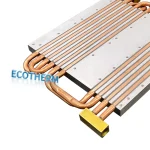
Aluminum is lightweight, corrosion-resistant, and easier to machine, making it a practical option for custom aluminum heat sink designs used in ai hardware cooling solutions. Copper offers higher thermal conductivity, which makes it well suited for copper liquid cold plate applications where efficient heat transfer is needed for AI servers and GPUs. In many high-density computing cooling environments, engineers evaluate cost, weight, machining requirements, and thermal performance before selecting a material.
| Material | Key Characteristics |
|---|---|
| Aluminum | Lightweight, cost-effective, good thermal conductivity, supports efficient CNC machining |
| Copper | High thermal conductivity, heavier weight, higher material cost, commonly used for high-heat-load components |
CNC-Machined Heat Sinks and Cold Plates
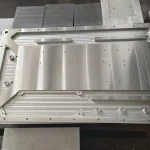
Precision CNC machining supports complex heat sink and liquid cold plate geometries that help optimize airflow and coolant pathways for thermal management for ai servers. CNC-milled fins, channels, and internal flow paths can improve heat dissipation for ai workloads and edge ai hardware cooling applications. Thermal simulation analysis performed before machining helps confirm that the design aligns with target thermal resistance, coolant flow, and pressure drop requirements.
Surface Treatments and Manufacturing Considerations
Surface treatments and coatings may improve durability, corrosion resistance, or thermal surface performance depending on the application. Anodizing aluminum and plating copper surfaces are common manufacturing processes. Additional design considerations include material thickness, coolant flow rate for liquid cold plate cooling, and surface flatness to maintain reliable thermal contact with high-power electronics. Early DFM reviews can help identify manufacturing constraints and reduce delays during production scaling for industrial electronics thermal management.
Prototype-to-Production Workflow
Developing a custom thermal solution usually follows a staged workflow that includes thermal design, simulation analysis, prototype fabrication, testing under realistic heat loads, and iterative refinement before full production. Working with a thermal management solutions supplier early in the process can help align design requirements with data center thermal management standards while reducing unnecessary revision cycles. Prototype-to-production services also support scaling from low-volume prototypes to larger manufacturing runs without compromising heat sink design optimization or cold plate design engineering requirements.
- Create a thermal model and perform simulation analysis
- Fabricate a prototype heat sink or liquid cold plate
- Conduct thermal and mechanical performance testing
- Refine the design using test and simulation data
- Scale production with quality assurance and process validation
Project Requirements and Design Constraints
Successful ai cooling projects begin with a clear understanding of heat load, space limitations, reliability targets, and operating conditions. Whether using custom heat sinks or liquid cold plates, the design must meet the thermal needs of AI servers, accelerator cards, and other high-density computing systems while fitting within existing hardware layouts.
RFQ Checklist for Custom Thermal Solutions
Thermal engineering teams can accelerate custom solution development by providing complete project details at the RFQ stage. Industry best practices and data center thermal management guidance emphasize early collaboration to reduce redesign risk and improve thermal performance for ai equipment.
- Total heat load (W)
- Material preference, such as custom aluminum heat sink or copper liquid cold plate
- Available installation space and mounting details
- Coolant flow rate and allowable pressure drop
- Surface flatness requirements
- CAD drawings, quantities, and application scenario
| Requirement | Why It Matters |
|---|---|
| Heat load | Determines the cooling capacity required |
| Flow rate | Influences liquid cold plate cooling efficiency |
| Material | Affects weight, thermal conductivity, and cost |
| Production volume | Supports planning from prototype to full production |
Quality Testing and Validation Considerations
Thermal management solutions for ai servers should be validated before production. Common practices include thermal simulation, prototype testing, leak testing for liquid cold plates, dimensional inspection, and pressure testing. Many manufacturers also perform DFM reviews to identify machining or assembly risks early.
For high-power electronics cooling, engineers typically compare measured temperatures with simulation results and verify performance under realistic GPU workloads for ai applications. Testing at expected operating loads is recommended rather than relying solely on theoretical calculations. Exact performance values should be validated for each system and cannot be assumed across different AI hardware solutions.
Limitations and When a Solution May Not Be Suitable
Not every system requires advanced thermal management. A complex cold plate design may be unnecessary when heat dissipation for ai systems is low or when maintenance access is limited. Similarly, some edge ai hardware projects may face weight, plumbing, or budget constraints.
Custom thermal solutions for IGBT module cooling, inverter thermal management, and power semiconductor cooling must also consider pump capacity, coolant compatibility, and long-term service requirements. If installation space is highly restricted or project data is incomplete, additional thermal simulation and design optimization may be needed before manufacturing can proceed.
People Also Ask
What is AI cooling and why is it important for high-power AI systems?
AI cooling refers to techniques that control heat produced by high-performance AI hardware. Effective cooling ensures consistent performance, prevents thermal throttling, and extends the lifespan of GPUs and processors in AI systems.
How do custom heat sinks improve the efficiency of AI cooling?
Custom heat sinks are designed to match the thermal characteristics of specific AI components, enhancing heat dissipation. By optimizing surface area and airflow, they minimize hotspots and maintain stable operating temperatures.
What factors should I consider when selecting an AI cooling solution?
Important factors include system power density, component layout, airflow availability, and acceptable noise levels. The choice between air and liquid cooling depends on heat load, performance targets, and the physical constraints of the hardware enclosure.
What advantages do liquid cold plates offer over traditional air cooling in AI systems?
Liquid cold plates offer higher heat transfer efficiency, especially in densely packed AI systems. They provide precise temperature control, reduce fan noise, and effectively cool components that generate concentrated heat.
Which materials are commonly used for custom heat sinks and cold plates?
Aluminum and copper are the most common due to their high thermal conductivity and ease of machining. Some advanced designs may use composite materials or nickel plating to improve performance and resistance to corrosion.
How do design constraints impact custom AI cooling solutions?
Constraints such as enclosure size, power density, and airflow limitations influence the shape, size, and type of cooling solution. Engineers must balance thermal performance with mechanical compatibility and manufacturability.
Can AI cooling solutions be scaled for future high-power systems?
Yes, modular designs in heat sinks and liquid cold plates make it possible to scale for higher power densities. Flexible architectures allow for future upgrades without major redesigns, maintaining efficiency and reliability.
Are custom cooling solutions more cost-effective than off-the-shelf options for AI hardware?
While custom solutions involve higher initial costs, they deliver improved thermal performance, lower energy consumption, and longer component life. For high-power AI systems, these benefits often outweigh the upfront investment compared to standard cooling options.