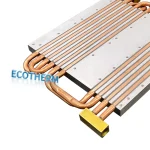
Vapor Chamber Cooling vs Heat Pipe: Which Fits Your Thermal Design?
Choosing the right thermal solution can be challenging when your device needs to stay cool, reliable, and compact. Vapor chamber cooling is often compared with heat pipes because both are designed to move heat away from hot components, but each supports different design requirements. This article outlines the key differences so you can determine which option best fits your thermal design at Ecothermgroup.
Takeaway
- Use a vapor chamber when you need fast, even heat spreading across a larger surface; choose a heat pipe when heat needs to be moved efficiently from one point to another.
- Prioritize vapor chambers for high-power-density designs where hotspot control is critical, since they usually distribute heat more uniformly than heat pipes.
- Prefer heat pipes when cost, simplicity, and packaging flexibility matter more than maximum spread performance.
- Account for integration tradeoffs early: vapor chambers can improve thermal performance but may add thickness, cost, and manufacturing constraints compared with heat pipes.
- Match the cooling method to the product form factor: vapor chambers often fit compact, performance-sensitive electronics, while heat pipes work well in systems with longer transport paths.
- Select based on the full thermal path, not just peak performance; the right choice depends on heat source size, allowable volume, budget, and target operating conditions.
Cooling Basics
How Heat Pipes Work
Heat pipes use a sealed copper chamber with a small amount of working fluid, often de-ionized water, under low pressure in a vacuum chamber. When the evaporator region touches the heat source, the fluid boils, absorbs latent heat, and turns into vapor. The vapor moves to the cooler condenser region, where it releases heat and turns back into liquid. A wick structure then pulls the liquid back by capillary action. This cycle is why heat pipes are still common in compact electronics, telecom equipment cooling, and power electronics cooling.
In practice, heat pipes are usually best for moving heat in one direction over a limited path. Designers often choose them for LED thermal management, optical module cooling, and some industrial electronics cooling jobs where a hot spot is small but needs to be carried away quickly. A common industry view is that heat pipes are mature, low risk, and often lower cost than larger spreaders. Ecothermgroup and other thermal suppliers often position them as a practical option when the heat source is narrow or the layout allows a direct route to the heatsink.
| Feature | Heat Pipe Behavior |
|---|---|
| Heat movement | Directional transport |
| Best fit | Localized hot spot |
| Main strength | Heat transfer over distance |
| Common uses | 5G thermal management, compact electronics |

How Vapor Chamber Cooling Works
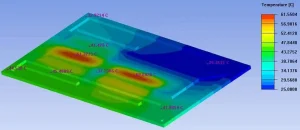
Vapor chamber cooling uses the same two-phase idea, but the internal shape is flatter and wider, so it spreads heat across a larger area. The evaporator region receives heat from a CPU, GPU cooling plate, ASIC cooling module, or other high heat flux electronics. The working fluid vaporizes, moves across the chamber, and condenses in cooler zones. Because the vapor can spread in two dimensions, thermal spreading is usually better than with a heat pipe.
This is why vapor chamber cooling is widely used in AI server cooling, GPU cooling, and compact electronics that have a large flat heat source. It helps reduce hot spots and can lower thermal resistance when the design needs broad contact, not just heat transport. A typical limitation, based on engineering practice, is that the chamber can be more complex to build and may need an internal support structure to keep the thin shell stable. It also depends on good mounting pressure and clean contact surfaces.
- Choose a vapor chamber when the heat source is flat and dense.
- Choose a heat pipe when the heat must travel farther in a narrow path.
- Check space, thickness, and cost before finalizing the thermal design.
Vapor chamber cooling is usually the better answer for heat spreading, while heat pipes are often better for moving heat. Both remain part of a full cooling stack, not a replacement for airflow, heatsinks, or system-level thermal planning.
| Use Case | Better Choice | Reason |
|---|---|---|
| GPU cooling | Vapor chamber | Wide flat spreading |
| Telecom equipment cooling | Heat pipe | Directional heat transport |
| Laser cooling | Vapor chamber | Fast spreading from a dense source |
| Power electronics cooling | Either | Depends on geometry and space |
Performance Differences
When comparing vapor chamber cooling with a heat pipe, the biggest performance difference is usually heat spreading. A sealed copper chamber with a vacuum space, working fluid, and wick structure can move heat quickly from a small evaporator region across a wide area through capillary action, vapor flow, and condensation. In practical thermal design, that makes vapor chamber cooling a strong choice for high heat flux electronics where the heat source is compact but the heatsink area is larger. This is why it is common in AI server cooling, GPU cooling, ASIC cooling, and compact electronics cooling.
Heat Spreading Ability
Heat pipes are very effective at moving heat in one direction, especially when the design needs distance and flexible routing. Vapor chambers, by contrast, are better at spreading heat across a flat surface before it reaches the condenser region. In many test comparisons discussed by thermal engineers, the chamber reduces peak temperature at the source more evenly, which helps protect nearby components. Ecothermgroup often identifies this as the main reason designers choose a vapor chamber instead of several heat pipes in thin, crowded layouts.
| Feature | Vapor Chamber Cooling | Heat Pipe |
|---|---|---|
| Heat movement | Best for lateral heat spreading | Best for carrying heat along a path |
| Hot spot control | Very strong for small concentrated sources | Good, but less uniform |
| Typical fit | GPU cooling, power electronics cooling, LED thermal management | Telecom equipment cooling, 5G thermal management, optical module cooling |
Because the working fluid, often deionized water, changes phase inside the chamber, the device uses latent heat to move energy quickly across the base. That is why vapor chamber cooling usually performs better when the challenge is not just removing heat, but spreading it before it enters the fin stack or cold plate.
Thermal Resistance and Hot Spots
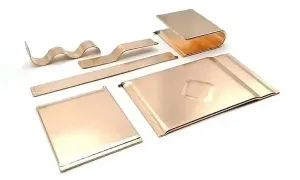
Thermal resistance is often lower in a vapor chamber at the source interface, especially when the evaporator region sees a narrow hot spot. Common industry guidance says the full path matters: source to spreader, spreader to fin interface, and the final air or liquid side. In real designs, a chamber can lower local temperature peaks more effectively than a heat pipe, but the result still depends on wick structure, fill amount, and mounting orientation. Gravity effects can change performance, so neither option should be assumed to work equally well in every position.
- Use vapor chamber cooling when the main goal is to flatten a hotspot across a large base.
- Use heat pipes when the main goal is to move heat over a longer route to a remote sink.
- Check orientation early, especially for laser cooling and industrial electronics cooling.
For high heat flux electronics, a lower hotspot often means better reliability and less thermal throttling. That is a key reason vapor chambers are common in AI server cooling and ASIC cooling, where a small die can create intense local loading.
Thickness and Package Limits
Package height is another major difference. A vapor chamber can replace multiple heat pipes in thin assemblies, but it may add manufacturing complexity and cost. Heat pipes can be easier to route around obstacles, which helps in telecom equipment cooling and compact electronics cooling where the board shape is irregular. In very tight spaces, the internal support structure of the chamber also matters, because it must resist deformation while keeping vapor flow and condensation efficient.
| Design Limit | Better Choice | Reason |
|---|---|---|
| Very thin base under a flat chip | Vapor chamber cooling | Excellent spreading in limited height |
| Long, bent thermal route | Heat pipe | More flexible placement |
| Wide source with tight hotspot control | Vapor chamber cooling | Lower local thermal resistance |
For LED thermal management, optical module cooling, and 5G thermal management, the best choice is usually the one that fits the package envelope without forcing poor airflow or weak contact pressure. A practical rule is simple: if the source is wide and flat, vapor chamber cooling often wins; if the path is long and constrained, heat pipes may be the better thermal design. Always validate with real board space, power levels, and orientation limits before locking the final stack-up.
Design Tradeoffs
In vapor chamber cooling, the main tradeoff is usually performance versus cost. A sealed copper chamber with a vacuum interior, a working fluid such as de-ionized water, and a wick structure can spread heat faster than a heat pipe when the source is small, hot, and difficult to cool. That is why it is often chosen for AI server cooling, GPU cooling, ASIC cooling, and other high heat flux electronics. But the added thermal spreading, extra internal support structure, and tighter build process also increase cost and design risk.
Industry testing and supplier guidance often show the same pattern: heat pipes are simpler and cheaper when heat must travel to a remote sink, while a vapor chamber is stronger when the evaporator region and condenser region must cover a wider area in a thin package. In compact electronics, that extra heat spreading can reduce hot spots and improve latent heat use, but it only pays off when the full thermal stack-up needs it. Ecothermgroup typically treats this as a system choice, not just a part choice.
| Design Factor | Vapor Chamber Cooling | Heat Pipe |
|---|---|---|
| Heat spreading | Best for flat, localized sources | Best for moving heat over distance |
| Thickness | Good for thin layouts | Good for routed layouts |
| Cost | Higher | Lower |
| Typical fit | GPU cooling, ASIC cooling, LED thermal management | Telecom equipment cooling, power electronics cooling |
Cost and Manufacturing
Cost is one of the clearest tradeoffs. A vapor chamber depends on a controlled vacuum chamber, precise wick structure, and reliable vapor flow paths, so manufacturing is more complex than a standard heat pipe. This is why many engineers still choose heat pipes for telecom equipment cooling, 5G thermal management, and industrial electronics cooling when budget matters more than peak spreading.
At the same time, higher cost can be justified when one chamber replaces several pipes or improves board space use. For laser cooling or optical module cooling, a compact planar part can reduce redesign work and keep the device thinner.
- Choose vapor chamber cooling when hotspot control is the main goal.
- Choose heat pipes when routing flexibility and lower unit cost matter most.
- Check supplier limits on flatness, thickness, and solder or brazing quality before release.
Integration and Mounting
Mounting is another major tradeoff. Vapor chamber cooling works best when the whole evaporator region can touch the source evenly. If the contact area is uneven, performance drops quickly. Heat pipes are easier to bend around fans, slots, and connectors, which helps in crowded power electronics cooling and compact electronics cooling.
Designers should also check orientation, airflow, and available clamping force. In many AI server cooling and ASIC cooling layouts, a vapor chamber gives better thermal spreading, but only if the heatsink, TIM, and screw load are aligned well. Poor mounting can reduce the benefit more than the part choice itself.
Reliability and Long-Term Use
Both options are sealed systems, so long-term reliability depends on the working fluid, internal cleanliness, and mechanical stress. A vapor chamber filled with de-ionized water can be very stable, but repeated shock, bending, or poor support can damage the wick structure or disturb condensation flow. In high heat flux electronics, that risk must be tested early.
For long service life, designers should verify startup behavior, gravity effects, and vibration tolerance. Heat pipes often have a simpler failure mode, while vapor chambers can offer better spreading but need stronger process control. The safest approach is to validate real operating data, not just datasheet claims.
Best Applications
In vapor chamber cooling, the best fit depends on how heat enters the device and how quickly it needs to spread. A sealed copper chamber with an internal vacuum uses a working fluid, often de-ionized water, along with a wick structure and capillary action to move latent heat from the evaporator region to the condenser region. That makes it well suited for heat spreading across a flat area, while a heat pipe is usually better when heat needs to move point to point with lower cost and less thickness.
Thin Consumer Devices
For laptops, tablets, and slim gaming devices, vapor chamber cooling is often chosen because board space is tight and the hotspot is small but intense. In these products, thermal spreading matters more than long-distance transport, since the goal is to spread heat before it reaches the keyboard, frame, or display side. Industry reviews and common buyer feedback often note that devices with vapor chambers feel more stable under load because the surface temperature rises more evenly.
| Use case | Better fit | Why |
|---|---|---|
| Thin laptop base | Vapor chamber cooling | Strong heat spreading under a low-profile baseplate |
| Small fanless device | Heat pipe | Simple heat transfer when the heat sink is nearby |
| Tablet or compact electronics | Vapor chamber cooling | Even distribution across a wide flat area |
Designers at Ecothermgroup usually compare thickness, hotspot size, and mounting area first. If the source is broad enough to use the full evaporator region, a vapor chamber is a practical choice; if the heat source is narrow and the sink is distant, a heat pipe can be simpler and cheaper. In portable devices, that tradeoff often decides the final layout.
High-Power Electronics
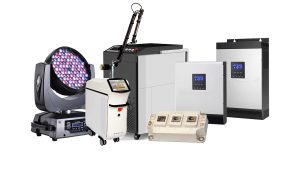
For AI server cooling, ASIC cooling, telecom equipment cooling, 5G thermal management, laser cooling, industrial electronics cooling, power electronics cooling, LED thermal management, and optical module cooling, the main issue is often high heat flux electronics. Here, vapor chamber cooling helps move heat away from dense hotspots and reduce local temperature peaks before the heat reaches a fin stack or cold plate. This is especially useful when the package area is limited but the watt density is high.
- Best for flat, concentrated heat sources
- Useful when thermal spreading must be even across a baseplate
- Preferred when passive reliability and no moving parts are important
General engineering guidance still applies: choose the simplest device that meets the thermal target. Heat pipes remain attractive when cost, maturity, and directional transport matter more than planar spreading. Both options are passive and reliable, but orientation limits, internal support structure, and manufacturing quality should be checked during validation.
CPU and GPU Systems
CPU and GPU systems are one of the clearest application areas for vapor chamber cooling, especially when one chip creates a strong hotspot under a shared heatsink. A vapor chamber can pull heat from the evaporator region, spread it through vapor flow, then return the working fluid by condensation and capillary action. This helps the cooler use more of the fin area and often lowers the peak die temperature compared with a narrow heat pipe layout.
For desktop and server-class CPU or GPU cooling, the usual rule is simple: if the source is compact and the sink is close, a heat pipe can work well; if the source is broad, thin, and needs stronger thermal spreading, a vapor chamber is usually the better fit. In practice, engineers also check cost, mounting pressure, and the available height above the board. For safe design, do not rely on one part alone for extreme loads; validate with real power tests and the final airflow path before release.
Selection Guide
When to Choose Vapor Chamber Cooling
Choose vapor chamber cooling when the design has a small hotspot and needs fast heat spreading across a wider base. A sealed copper chamber with a vacuum space, working fluid, usually de-ionized water, and a fine wick structure uses capillary action to move liquid back from the condenser region to the evaporator region. That cycle creates strong latent heat transfer and more even thermal spreading than a single heat pipe can usually provide. This is why it is common in AI server cooling, GPU cooling, ASIC cooling, and compact electronics with high heat flux.
Industry guidance also points to thin devices and flat interfaces. In laptop, tablet, and optical module cooling layouts, the low profile of vapor chamber cooling helps when the thermal stack has little room for routing. Ecothermgroup and other thermal suppliers often position it for cases where one hotspot must share heat with a broad sink surface, not just move heat to a distant point.
| Use case | Best fit | Reason |
|---|---|---|
| GPU cooling | Vapor chamber cooling | Strong heat spreading over a large base |
| 5G thermal management | Vapor chamber cooling | Handles uneven load and thin housings |
| LED thermal management | Vapor chamber cooling | Flattens local hot spots |
When to Choose Heat Pipes
Choose heat pipes when the main task is moving heat between two defined points, such as from a source to a remote sink. They are often simpler, cheaper, and easier to bend through cramped assemblies. In telecom equipment cooling, power electronics cooling, and industrial electronics cooling, that flexibility can matter more than maximum thermal spreading. Heat pipes also remain a practical choice when the load is moderate and the design does not need a broad evaporator region.
Common engineering advice is to compare not only peak temperature, but also orientation sensitivity, internal support structure needs, and assembly cost. A heat pipe may be enough for laser cooling or compact electronics when the package is narrow and the source footprint is not extreme. The usual rule is simple: if transport matters more than spreading, a heat pipe often wins.
Final Design Considerations
Before locking in vapor chamber cooling or a heat pipe, check the full thermal path. Review power level, hotspot size, airflow, board space, and reliability targets. Real-world tests from engineers often show that a lower-cost heat pipe can outperform a poorly integrated chamber, so the best choice is the one that fits the whole system, not just the part drawing heat.
- Map the hotspot and expected heat flux.
- Check available thickness and mounting space.
- Compare cost, manufacturability, and long-term reliability.
For high heat flux electronics with uneven loading, vapor chamber cooling usually gives better thermal spreading. For point-to-point routing in telecom equipment cooling, ASIC cooling, or power electronics cooling, heat pipes can be the more practical design. Safety note: both technologies depend on proper sealing, contact pressure, and clean interfaces; poor installation can reduce performance sharply.
People Also Ask
How does vapor chamber cooling differ from a heat pipe in a thin device?
Vapor chamber cooling spreads heat across a flat surface, which helps in slim electronics where hotspots need to be moved away quickly. A heat pipe moves heat very effectively in one direction, but it is usually less effective for spreading heat across a wide area in very thin layouts.
Why do engineers choose a vapor chamber instead of a heat pipe for high-performance electronics?
Engineers often choose vapor chamber cooling when a component creates a concentrated hotspot that needs to be spread over a larger area before rejection. This makes it a strong fit for compact high-performance devices where thermal resistance and footprint both matter.
What design tradeoffs should be considered when selecting vapor chamber cooling?
The main tradeoffs are cost, thickness, and manufacturing complexity versus better heat spreading performance. Vapor chambers can be harder to integrate than heat pipes, so the choice depends on whether the thermal gain justifies the added design and production effort.
Where are heat pipes still the better choice than vapor chamber cooling?
Heat pipes often make sense when the design needs lower cost, proven manufacturing, and efficient heat transport over a limited path. They are also a practical option when the thermal load does not require the broader spreading performance of a vapor chamber.
Is vapor chamber cooling better than a heat pipe for CPUs and GPUs?
For CPUs and GPUs with dense heat loads, vapor chamber cooling is often better at spreading heat away from the source before it reaches the heatsink. A heat pipe can still work well, but it may be less effective when the hotspot is highly concentrated or the available area is very limited.
Does vapor chamber cooling work in any mounting orientation?
Vapor chamber cooling generally performs well across a wide range of orientations because the working fluid cycles through evaporation and condensation inside a sealed chamber. Even so, real-world performance still depends on the internal wick structure and the specific thermal design.
What are the main advantages of vapor chamber cooling in smartphones and laptops?
Its biggest advantage is efficient heat spreading in a very thin form factor, which helps prevent localized overheating in compact devices. This lets designers manage higher thermal loads without adding much thickness or sacrificing internal space.
How do I decide between vapor chamber cooling and a heat pipe for my thermal design?
Start with the heat source size, available space, cost target, and whether you need spreading or just transport. If the design has a tight footprint and a hotspot that must be spread quickly, vapor chamber cooling is often the stronger choice; if the layout is simpler and cost-sensitive, a heat pipe may be enough.