ESS Inverter Cooling Solutions for High-Power Energy Storage Systems
As global energy storage systems (ESS) scale to multi-megawatt capacities, the thermal demands placed on power electronics have reached unprecedented levels. The continuous, high-frequency switching of components like IGBTs and MOSFETs within high-power inverters generates concentrated heat. Without a highly engineered ESS inverter cooling architecture, this thermal stress accelerates component degradation, compromises round-trip efficiency, and introduces severe risks like thermal runaway.
This guide breaks down the engineering challenges, comparative technologies, and critical safety standards required to optimize thermal management in modern, high-density ESS setups.
Introduction to ESS Inverter Cooling
Importance of Cooling in High-Power ESS
Effective ESS inverter cooling is essential for maintaining the performance and durability of high-power energy storage systems. As these systems are increasingly used in applications like grid-scale storage, EV charging, and industrial power solutions, the thermal demands on inverters have grown significantly. Proper thermal management prevents component wear, maintains efficiency, and ensures reliable operation across varying conditions.
High-power inverters, which are central to power conversion systems, produce substantial heat due to the high-frequency switching of components like IGBTs and MOSFETs. Without efficient cooling, these components can overheat, resulting in reduced efficiency, potential failures, and safety concerns. Advanced cooling methods, such as liquid cold plates and custom heat sinks, are key to dissipating heat effectively while maintaining compact designs suitable for modern ESS setups.
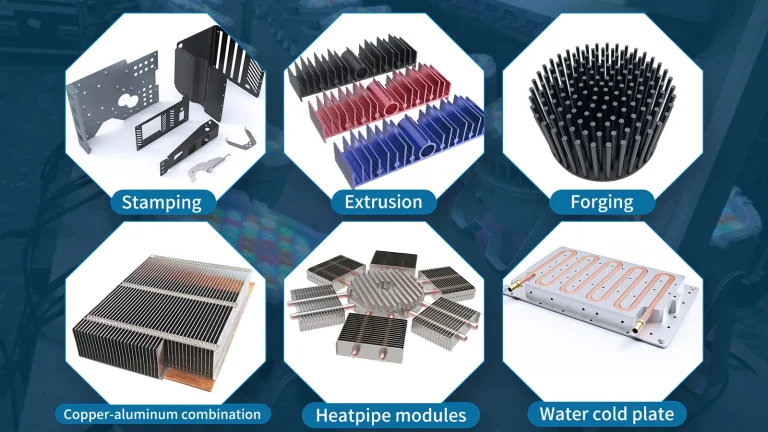
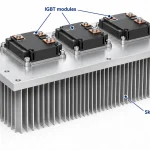
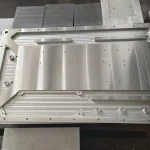
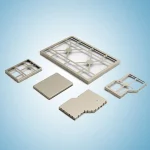
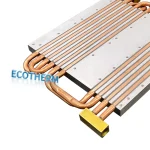
For example, ecothermgroup offers specialized cooling solutions, including skived fin heat sinks and CNC-machined cold plates, designed to handle the unique thermal requirements of ESS inverters. These solutions optimize heat dissipation while meeting industry safety and reliability standards. By using reliable cooling systems, ESS operators can improve energy throughput, lower maintenance costs, and extend the lifespan of critical components.
Overview of Cooling Challenges in ESS Inverters
Designing efficient cooling systems for ESS inverters involves several challenges. One key issue is balancing thermal performance with cost and scalability. High-power ESS setups often require modular solutions to accommodate varying capacities, from a few kilowatts to multi-megawatt systems, without sacrificing thermal efficiency.
Another challenge comes with choosing the right cooling technology. Air cooling is affordable and straightforward but often inadequate for high-density power electronics. Liquid cooling provides superior heat dissipation but involves higher upfront costs and more complex installation. Studies show that liquid cooling solutions, like brazed cold plates and bonded fin heat sinks, are highly effective for applications requiring stringent thermal management.
| Cooling Technology | Advantages | Challenges |
|---|---|---|
| Air Cooling | Affordable, simple design | Limited thermal capacity, unsuitable for high-power setups |
| Liquid Cooling | Exceptional heat dissipation, compact designs | Higher cost, complex upkeep |
Additionally, precise manufacturing techniques and thermal interface materials are critical for reducing thermal resistance between components. Ecothermgroup specializes in custom solutions, such as aluminum extrusion heat sinks and copper cold plates, that use advanced processes to enhance thermal conductivity and cooling efficiency. These solutions are particularly valuable for high-density power electronics where space and heat management are critical.
- Ensure compliance with safety standards like UL and CE for reliable operation.
- Implement advanced monitoring systems for real-time temperature control.
- Opt for scalable designs to meet future energy demands.
Addressing ESS inverter cooling challenges requires advanced technology, precise engineering, and adherence to industry standards. By using innovative cooling solutions, like those from ecothermgroup, operators can achieve improved performance, enhanced safety, and long-term reliability in high-power energy storage systems.
Cooling Technologies for ESS Inverters
Air Cooling: Applications, Pros, and Cons
Air cooling is a widely used method for managing the thermal performance of ESS inverters. It uses airflow, either natural or forced, to dissipate heat produced by power electronics. This approach is well-suited for small to medium-sized energy storage systems where thermal loads are moderate and cost efficiency is a priority.
Key benefits of air cooling include simplicity, low maintenance, and relatively low initial costs. Components like aluminum heat sinks or skived fin heat sinks are commonly used in these systems, as they are lightweight, durable, and cost-effective to produce through processes like aluminum extrusion. Additionally, air cooling eliminates the need for pumps or liquid reservoirs, reducing installation complexity and minimizing risks such as leaks.
On the downside, air cooling is less effective for high-power applications or densely packed ESS setups due to its lower thermal conductivity compared to liquid cooling. In high ambient temperatures, air-cooled systems may struggle to maintain optimal inverter performance, potentially reducing efficiency or accelerating wear on components such as IGBT modules. Forced-air systems can also generate noise, which may not be ideal for some environments.
Liquid Cooling: Applications, Pros, and Cons
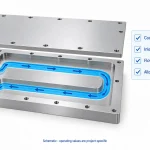
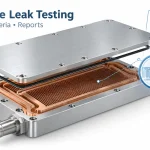
Liquid cooling is often seen as the best choice for high-power ESS inverters, particularly in large-scale installations or environments with strict thermal management needs. This method uses coolant fluids circulated through custom liquid cold plates or copper cold plate assemblies to efficiently remove heat from critical components.
The main advantage of liquid cooling is its superior heat dissipation. It ensures better temperature uniformity across components, reducing thermal stress and extending the lifespan of essential elements like IGBT modules and semiconductor devices. Custom liquid cold plates, typically made using CNC machining, provide precise cooling tailored to specific inverter designs. Liquid cooling systems also operate quietly, making them ideal for industrial and utility-scale applications.
However, liquid cooling involves higher upfront costs and more system complexity. The inclusion of pumps, reservoirs, and the need for additional maintenance can make it less appealing for smaller or budget-sensitive ESS projects. That said, advancements in brazed cold plate manufacturing and hybrid cooling technologies are helping to lower costs and expand the accessibility of liquid cooling solutions.
Comparing Air and Liquid Cooling for ESS
Choosing between air and liquid cooling for ESS inverters depends on factors like system size, thermal load, and budget. The table below highlights the main differences:
| Aspect | Air Cooling | Liquid Cooling |
|---|---|---|
| Cooling Capacity | Moderate | High |
| Cost | Lower | Higher |
| Maintenance | Simpler | More complex |
| Noise Levels | Potentially noisy (forced-air) | Quiet |
| Applications | Small to medium ESS | Large-scale or high-density ESS |
| Material Options | Aluminum heat sinks, skived fin heat sinks | Copper cold plates, brazed cold plates |
When selecting a cooling solution, consider factors like the operating environment, thermal load, and long-term maintenance requirements. For instance, commercial microgrids or residential systems may benefit from the cost-effectiveness of air cooling, while grid-scale energy storage systems often require the advanced performance of liquid cooling.
Hybrid systems that combine air and liquid cooling are also becoming more popular. These solutions leverage the strengths of both technologies to optimize heat dissipation for sensitive components while keeping overall costs manageable. Companies like ecothermgroup provide customized thermal solutions, offering engineering expertise and precision manufacturing to meet diverse ESS cooling needs.
Advanced Cooling Solutions for High-Power ESS
Innovative Technologies in Power Electronics Cooling
ESS inverter cooling is crucial for ensuring the efficiency and reliability of high-power energy storage systems. Advances in cooling methods, such as liquid cooling and hybrid systems, have reshaped thermal management in power electronics. Liquid cooling, for instance, provides significantly better heat dissipation than air cooling, making it an ideal choice for high-density inverters and large-scale systems. Studies show that liquid cooling can offer up to 40% higher thermal conductivity compared to air-cooled systems, effectively minimizing the risk of hotspots.
Custom thermal solutions, including skived fin heat sinks, bonded fin heat sinks, and aluminum heat sinks, cater to specific application needs by maximizing surface area for heat exchange. These components remove excess heat efficiently from high-power inverters. Additionally, copper cold plates and liquid cold plate assemblies are increasingly popular due to their excellent thermal conductivity and ability to handle demanding thermal loads. Companies like ecothermgroup leverage advanced materials and precision fabrication techniques to provide optimized cooling solutions for grid-scale energy storage and industrial inverters.
| Cooling Method | Key Advantages | Ideal Applications |
|---|---|---|
| Air Cooling | Lower cost, simpler maintenance | Small to medium ESS, moderate climates |
| Liquid Cooling | Higher thermal efficiency, uniform temperature control | Large-scale ESS, high-power inverters |
| Hybrid Cooling | Balance of cost and performance | Versatile applications, cost-sensitive projects |
Scalable Cooling Solutions for Large-Scale ESS
As energy storage systems expand to meet grid-scale requirements, cooling technologies must evolve to handle higher power densities. Scalable cooling solutions, like modular liquid cooling systems, are designed to grow alongside system capacity. These systems integrate seamlessly with existing infrastructure, maintaining consistent thermal performance as power demands increase. Customizable cold plate designs, such as IGBT module cold plates, are tailored to the specific requirements of modern ESS configurations, ensuring efficient thermal management under heavy loads.
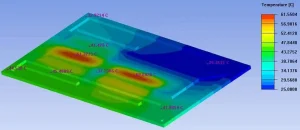
Thermal simulation is a key part of developing scalable cooling systems. By modeling heat dissipation patterns, engineers can identify potential bottlenecks early in the design phase. This approach shortens development cycles and ensures optimal performance from prototype to production. Advances in manufacturing, such as aluminum extrusion and brazed cold plate production, further enable cost-effective, high-performance cooling components tailored for unique ESS applications.
- Perform regular maintenance on cooling systems to maintain performance.
- Choose a cooling method suited to the operational environment and climate.
- Partner with thermal management experts like ecothermgroup for custom solutions.
Advanced cooling technologies, including liquid cooling and modular designs, are essential for the stable operation of high-power ESS inverters. By adopting innovative thermal management solutions, companies like ecothermgroup provide efficient, scalable, and reliable cooling systems tailored to the needs of modern energy storage systems.
Scalable Cooling Solutions for Large-Scale ESS
As energy storage systems expand to meet grid-scale requirements, cooling technologies must evolve to handle higher power densities. Scalable cooling solutions, like modular liquid cooling systems, are designed to grow alongside system capacity. These systems integrate seamlessly with existing infrastructure, maintaining consistent thermal performance as power demands increase. Customizable cold plate designs, such as IGBT module cold plates, are tailored to the specific requirements of modern ESS configurations, ensuring efficient thermal management under heavy loads.
Thermal simulation is a key part of developing scalable cooling systems. By modeling heat dissipation patterns, engineers can identify potential bottlenecks early in the design phase. This approach shortens development cycles and ensures optimal performance from prototype to production. Advances in manufacturing, such as aluminum extrusion and brazed cold plate production, further enable cost-effective, high-performance cooling components tailored for unique ESS applications.
- Perform regular maintenance on cooling systems to maintain performance.
- Choose a cooling method suited to the operational environment and climate.
- Partner with thermal management experts like ecothermgroup for custom solutions.
Advanced cooling technologies, including liquid cooling and modular designs, are essential for the stable operation of high-power ESS inverters. By adopting innovative thermal management solutions, companies like ecothermgroup provide efficient, scalable, and reliable cooling systems tailored to the needs of modern energy storage systems.
Safety and Standards in ESS Cooling
Thermal Management and Fire Mitigation
Effective thermal management is essential for maintaining the safety and durability of ESS inverter cooling systems. High-power energy storage systems (ESS) operate in challenging conditions, requiring innovative solutions to dissipate heat generated by components like IGBT modules and inverters. Without adequate cooling, heat accumulation can trigger thermal runaway, a hazardous chain reaction that may lead to system failure or fires.
To address these risks, advanced cooling techniques such as liquid cold plates and aluminum heat sinks are commonly employed. Liquid cooling, for example, enhances heat dissipation by circulating coolant through custom-designed cold plates, keeping components like IGBT modules within safe temperature ranges. Fire mitigation measures often include backup cooling systems and real-time thermal monitoring, which helps detect and resolve temperature issues before they escalate.
The operating environment of the energy storage system is another important factor to consider. Systems in hotter climates demand reliable and efficient cooling solutions like skived fin heat sinks or bonded fin heat sinks to maintain optimal performance. Ecothermgroup, a trusted provider of custom thermal solutions, offers precision-engineered components such as copper cold plates and CNC-machined heat sinks to meet the specific safety and thermal requirements of high-density power electronics.
| Cooling Solution | Applications |
|---|---|
| Liquid Cold Plates | High-power inverters, IGBT modules |
| Skived Fin Heat Sinks | Compact and high-density ESS setups |
| Bonded Fin Heat Sinks | Industrial inverter systems |
| Aluminum Heat Sinks | General-purpose thermal management |
Compliance with NFPA and Industry Standards
Meeting industry standards is crucial for ensuring the safety of ESS inverter cooling systems. NFPA 855 specifies guidelines for the installation and operation of energy storage systems, emphasizing fire prevention through effective thermal management. These standards require cooling technologies that reduce the risks of overheating and thermal runaway, especially in large-scale energy storage and industrial inverter systems.
UL 9540 certification imposes stringent testing requirements for thermal management systems, ensuring inverters are safe and reliable. For photovoltaic and hybrid systems, compliance with IEC 62109 is vital. This standard prioritizes the prevention of hazards like electrical shocks and fires, reinforcing the need for robust cooling solutions such as liquid cold plates and custom heat sinks.
- NFPA 855: Covers fire prevention and safe ESS installation.
- UL 9540: Ensures thorough testing of thermal management systems.
- IEC 62109: Focuses on safety for photovoltaic and ESS inverters.
Beyond meeting regulatory standards, collaborating with experienced thermal management providers like ecothermgroup can simplify the design and manufacturing process. Their expertise in thermal engineering, combined with prototype-to-production capabilities, ensures cooling solutions meet safety requirements while delivering reliable performance in real-world applications.
Future Trends in ESS Inverter Cooling
Emerging Materials and Technologies
Advancements in materials and innovative designs are reshaping ESS inverter cooling systems. High-performance materials like aluminum extrusions and copper inserts are essential in improving heat dissipation for inverters. Aluminum heat sinks are lightweight and highly effective, making them a popular choice for industrial ESS cooling solutions. Meanwhile, copper cold plates offer exceptional thermal conductivity, providing top-tier performance for high-power inverter cooling needs.
Custom manufacturing techniques, such as skiving and brazed cold plate production, are becoming more widespread. These processes allow for the creation of complex thermal components like skived fin and bonded fin heat sinks, tailored for high-density power electronics. Modular cooling architectures, including liquid cold plate systems, are now standard for grid-scale energy storage and EV charging power electronics. These solutions enhance thermal management by uniformly distributing temperature across semiconductor modules, including IGBTs and silicon carbide (SiC) devices.
Intelligent thermal monitoring systems are also gaining traction. AI-driven cooling technologies are being developed to dynamically adapt thermal strategies based on real-time performance data. This minimizes thermal stress, prolongs the lifespan of power conversion systems, and ensures stability under changing load conditions.
Sustainability and Energy Efficiency in Cooling Systems
Sustainability is becoming increasingly important in ESS inverter cooling, with a focus on energy-efficient and eco-friendly solutions. Liquid cooling systems are being adopted over traditional air cooling due to their lower energy usage and ability to manage higher heat loads. These systems are especially effective in environments where temperature consistency is crucial for safety and performance.
Hybrid cooling solutions, which combine air and liquid cooling, are emerging as a sustainable alternative. They optimize the advantages of each method, reducing energy waste while ensuring reliable thermal performance. Manufacturers like ecothermgroup are emphasizing the use of recyclable materials and precision manufacturing processes to reduce environmental impact. Techniques such as anodizing aluminum heat sinks improve durability and efficiency, contributing to long-term sustainability.
The table below compares the benefits of air, liquid, and hybrid cooling systems:
| Cooling Method | Key Advantages | Best Applications |
|---|---|---|
| Air Cooling | Affordable, easy to install | Small-scale ESS, moderate climates |
| Liquid Cooling | High efficiency, consistent temperature control | High-power ESS, hot climates |
| Hybrid Cooling | Energy-efficient, adaptable | Large-scale ESS, variable loads |
As demand for high-power energy storage systems continues to grow, developing eco-friendly and efficient cooling solutions will remain a priority. By leveraging advanced materials, smart systems, and sustainable practices, the industry can achieve both performance and environmental goals.
People Also Ask
What is ESS inverter cooling and why is it important for high-power energy storage systems?
ESS inverter cooling refers to systems that manage the temperature of inverters in energy storage setups. Proper cooling is essential to maintain efficiency, prevent overheating, and extend the lifespan of high-power energy storage components.
What are the key differences between air cooling and liquid cooling for ESS inverters?
Air cooling uses fans or natural airflow, making it a cost-effective choice for smaller systems. Liquid cooling, on the other hand, relies on circulating fluids to dissipate heat, providing better efficiency for large-scale or high-power ESS setups. Liquid cooling is ideal for extreme climates or systems with higher thermal demands.
What advanced cooling technologies are available for high-power ESS inverters?
Advanced cooling options include liquid cooling with optimized heat exchangers, direct cooling for semiconductor parts, and hybrid systems that combine air and liquid cooling. These innovations improve thermal performance and reliability.
How do cooling solutions impact the safety of ESS installations?
Effective cooling prevents overheating, reducing the risk of thermal runaway and fire hazards. Following recognized safety standards, such as NFPA guidelines, ensures that cooling systems are designed to enhance safety and minimize risks.
What factors should be considered when selecting a cooling solution for ESS inverters?
Important factors include system size, power density, climate, and budget. Liquid cooling suits high-power systems in hot environments, while air cooling works well for smaller setups with lower heat output.
Are there specific safety standards that apply to ESS inverter cooling systems?
Yes, cooling systems for ESS inverters must meet safety standards like NFPA codes, which address thermal management, fire prevention, and system reliability. Compliance ensures safe operation and installation.
What are the future trends in ESS inverter cooling technologies?
Emerging trends include smart cooling systems with real-time monitoring, new materials for improved heat transfer, and scalable designs for larger storage systems. These advancements aim to boost efficiency and sustainability.
Why is thermal management critical for high-power ESS applications?
High-power ESS systems generate significant heat during operation, which can harm performance and components. Proper thermal management maximizes efficiency, lowers maintenance needs, and extends the system’s lifespan.