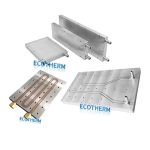
Vacuum Brazed Cold Plates for High-Power Electronics: Design, Sealing and Thermal Performance
High-power electronics produce a lot of heat, making it difficult to keep performance and reliability on track. This article looks at how brazed cold plates provide an effective solution for managing heat. By checking out their design, sealing, and thermal performance, we see their key role in boosting electronic systems. Ecothermgroup’s expertise in this area ensures that brazed cold plates are integrated seamlessly into your thermal management strategy.
Takeaway
- Vacuum brazed cold plates provide excellent thermal management for high-power electronics by efficiently handling high heat loads.
- When designing brazed cold plates, consider material selection, channel geometry, and surface finish to enhance thermal conductivity and fluid flow.
- Proper sealing is essential to prevent leaks and maintain structural integrity, using techniques like vacuum sealing and compatible filler materials.
- Enhancing thermal performance involves optimizing the coolant flow path and ensuring even heat distribution across the plate.
- Though brazed cold plates offer great performance, addressing challenges like manufacturing complexity and cost is necessary to maximize their use in various applications.
- Using brazed cold plates can improve the reliability and lifespan of electronic components by keeping operating temperatures optimal.
- Close collaboration between design engineers and manufacturing specialists is key to overcoming technical challenges and achieving the best performance in brazed cold plate solutions.
Introduction to Brazed Cold Plates
Definition and Purpose
Brazed cold plates are key components in managing the heat of high-power electronics. They efficiently dissipate heat from electronic devices, ensuring optimal performance and longer lifespan. Using vacuum brazing, known for its excellent thermal performance and reliability, brazed cold plates offer a leak-proof and hermetically sealed solution. This process involves heating the assembly in a vacuum chamber, allowing the filler metal to flow into the joints by capillary action, creating strong and durable bonds without needing flux.
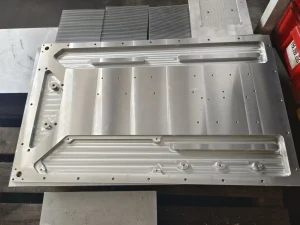
Aluminum and copper are commonly used in brazed cold plates, with aluminum alloys like AL6061 and AL6063 favored for their lightweight and high thermal conductivity. Copper is chosen for its excellent heat transfer abilities. The integration of CNC machined cold plates with internal flow channels and machined cooling channels helps optimize thermal resistance and pressure drop, crucial for high-performance applications.
| Material | Properties |
|---|---|
| Aluminum | Lightweight, high thermal conductivity |
| Copper | Superior heat transfer, durable |
Applications in High-Power Electronics
Brazed cold plates are widely used in high-power electronics, where effective heat management is crucial. Industries like aerospace, automotive, and data centers rely on these components to keep systems running efficiently without overheating. In electric vehicles, for instance, the need for compact and effective cooling makes brazed aluminum cold plates ideal due to their ability to handle high thermal loads while being lightweight.
The design flexibility that vacuum brazing offers allows for complex internal channel designs. This enhances heat transfer efficiency, reduces thermal resistance, and improves overall performance. The leak-proof quality of these plates, ensured through rigorous pressure testing and cover plate sealing processes, is crucial for maintaining high reliability in critical applications.
- Electric vehicles
- Data centers
- Aerospace applications
Ecothermgroup, a leader in this field, provides brazed cold plates that meet stringent industry standards, offering both brazed aluminum cold plates and brazed copper cold plates to cater to diverse thermal management needs. Their products are known for precision, reliability, and performance, making them a preferred choice in the market.
Design Considerations for Brazed Cold Plates
Material Selection
Selecting the right materials for brazed cold plates is crucial for optimizing thermal performance and structural integrity. Aluminum and copper are popular choices due to their high thermal conductivity, essential for efficiently transferring heat away from high-power electronics. Aluminum is preferred for being lightweight and cost-effective, while copper offers better thermal conductivity, ideal for intense heat dissipation needs. The choice between these materials depends on the electronic components’ specific requirements and budget constraints.
Vacuum brazing, a flux-free method, creates leak-proof bonds using filler metals that melt and flow through capillary action. This process forms a hermetic seal, reducing oxidation risks and enhancing reliability. Ecothermgroup, a leader in thermal management solutions, highlights the importance of materials that withstand thermal cycling and mechanical stresses, especially in demanding sectors like aerospace and automotive.
Geometric and Structural Design
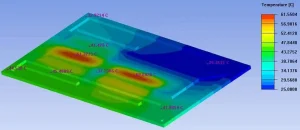
When designing brazed cold plates, the geometry and structure of internal flow channels are crucial. Channels are often CNC machined with precise designs like microchannels or serpentine paths to maximize heat exchange. These configurations increase the surface area for heat transfer while balancing performance with pressure drop. Strategically designed channels ensure uniform temperature distribution, critical for applications in electric vehicles and data centers.
Structural robustness is also key. Cover plate sealing must be executed carefully to prevent leaks. Pressure testing ensures the cold plate can handle operational pressures without compromising its integrity. By optimizing design elements, manufacturers like Ecothermgroup provide reliable and efficient cooling solutions for high-power electronics.
Designing brazed cold plates requires considering the specific cooling needs of the application. Aerospace applications may need lightweight solutions that maintain performance, favoring aluminum. In contrast, data centers might prioritize maximum thermal conductivity to manage heat from densely packed electronics, making copper more suitable despite its higher cost and weight.
Another critical aspect is the compatibility of filler metals used in the brazing process with the base materials. The filler metal must form a strong metallurgical bond without compromising the base material’s properties. Manufacturers conduct comprehensive compatibility tests to identify the best filler metal for each application, ensuring the brazed cold plate’s longevity and effectiveness.
| Material | Pros | Cons |
|---|---|---|
| Aluminum | Lightweight, cost-effective | Lower thermal conductivity than copper |
| Copper | High thermal conductivity | Heavier, more expensive |
- Optimize channel geometry for maximum heat exchange
- Ensure hermetic sealing to prevent leaks
- Conduct pressure testing for structural integrity
- Consider application-specific requirements for material choice
- Test filler metal compatibility with base materials
Sealing Techniques in Brazed Cold Plates
Importance of Sealing
Sealing is vital in producing brazed cold plates, especially for high-power electronics. A leak-proof seal ensures the cold plate’s reliability and efficiency under demanding conditions. A vacuum brazed cold plate, using controlled furnace atmospheres, provides hermetic sealing essential for preventing leaks. This extends the plate’s lifespan and enhances its thermal performance. Ecothermgroup’s brazed aluminum cold plates, for example, offer superior thermal conductivity and durability due to effective sealing techniques.
The sealing process enables complex internal flow channels in the cold plate’s design. This is crucial for improving coolant flow and achieving uniform temperature distribution, which is key to managing heat dissipation in high-power electronics. Furthermore, sealing maintains the structural integrity of CNC machined cold plates, which often have intricate cooling channels.
Common Sealing Methods
Various sealing methods are used in brazed cold plates, each with unique benefits. Vacuum brazing is popular for creating strong, flux-free joints. This technique uses capillary action, where filler metal flows into small joint gaps to form a tight seal. The absence of corrosive flux in this process ensures the cold plate withstands harsh conditions without compromising performance.
Pressure testing is often done post-sealing to ensure the cold plate is leak-proof. This involves subjecting the brazed copper cold plate to pressure conditions simulating real-world usage. The goal is to verify the sealing’s effectiveness and its ability to maintain hermetic integrity. Designers must also consider factors like joint gap size and filler alloy selection to optimize sealing performance.
- Vacuum brazing provides hermetic sealing for leak-proof cold plates.
- Pressure testing validates the sealing integrity.
- Capillary action aids in achieving tight seals in joint gaps.
Aluminum brazing offers advantages like lightweight properties and good thermal conductivity, making it suitable for specific applications. However, copper brazing is preferred when higher thermal performance is needed. Designers must weigh these factors alongside sealing techniques to ensure the cold plate meets the specific requirements of high-power electronic applications.
| Sealing Method | Advantages |
|---|---|
| Vacuum Brazing | Hermetic sealing, flux-free, reliable under harsh conditions |
| Pressure Testing | Ensures leak-proof performance, validates sealing integrity |
Implementing effective sealing techniques in brazed cold plates is essential for optimizing thermal performance and ensuring reliability in high-power electronic applications. By choosing the right sealing method and conducting thorough testing, manufacturers like Ecothermgroup can provide solutions that meet demanding industry standards.
Thermal Performance of Brazed Cold Plates
Heat Transfer Efficiency
Brazed cold plates are known for their excellent thermal performance, thanks to their ability to form strong bonds through vacuum brazing. This method boosts heat transfer efficiency, vital for high-power electronics like IGBTs and SiC devices. Made from materials such as aluminum and copper, these plates use their natural thermal conductivity to dissipate heat effectively. The vacuum brazing process ensures hermetic joints between the base and cover plates, making the cold plates leak-proof.
Designing brazed cold plates involves complex internal flow channels, like micro-channels or corrugated fins. These designs optimize coolant flow, enhancing heat transfer while keeping pressure drop manageable. CNC machining allows for precise creation of these channels, crucial for performance. The combination of vacuum brazing and well-designed channels significantly reduces thermal resistance, boosting efficiency.
| Material | Thermal Conductivity (W/mK) |
|---|---|
| Aluminum | 205 |
| Copper | 385 |
The table shows copper’s higher thermal conductivity compared to aluminum, making brazed copper cold plates ideal for applications needing maximum heat dissipation. However, aluminum is often chosen for its lightweight and cost-effectiveness, especially in weight-sensitive areas like electric vehicles.
Performance Testing and Metrics
Performance testing of brazed cold plates includes various metrics to ensure efficiency and reliability. Pressure testing is crucial, verifying the plates’ leak-proof nature to maintain cooling system integrity in high-power electronics. Ecothermgroup, a leading brand, focuses on rigorous pressure testing to ensure their cold plates meet industry standards.
Another key aspect is evaluating thermal performance through metrics like thermal resistance and pressure drop. These help compare different cold plate designs and materials, aiding informed decisions based on specific needs. Regular testing and analysis identify the best configuration for optimal thermal management.
- Pressure Testing
- Thermal Resistance Measurement
- Coolant Flow Analysis
The vacuum brazing process requires careful control to achieve quality results. Factors like the vacuum environment, temperature uniformity, and filler metal selection directly affect the brazed joint quality. Achieving over 99.5% joint coverage is a standard goal, ensuring long-term reliability and performance of brazed cold plates.
Overall, the thermal performance of brazed cold plates results from precise engineering and rigorous testing. By choosing suitable materials and designing efficient internal channels, these plates offer superior heat transfer solutions for high-power electronics, supported by brands like Ecothermgroup dedicated to quality standards.
Benefits and Challenges
Advantages of Using Brazed Cold Plates
Vacuum brazed cold plates are highly beneficial for high-power electronics due to their exceptional thermal performance and structural integrity. This technology is particularly advantageous in sectors such as electric vehicles (EVs) and aerospace where efficient heat transfer is critical. The process of vacuum brazing involves joining metals like aluminum or copper without using flux, resulting in a leak-proof cold plate with hermetic sealing capabilities. This method effectively eliminates thermal interface resistance, ensuring maximum heat transfer from sensitive components.
One of the standout features of brazed cold plates is their ability to incorporate complex internal channel designs. These machined cooling channels can be tailored specifically to optimize heat transfer efficiency and reduce pressure drop, enhancing overall cooling performance. For instance, CNC machined cold plates can precisely create internal flow channels that maximize thermal conductivity. Ecothermgroup offers brazed cold plates that leverage these design advantages, providing superior cooling solutions for demanding applications.
Potential Challenges and Solutions
Despite their benefits, brazed cold plates come with certain challenges, particularly in ensuring consistent joint coverage and structural reliability. Precise control over furnace parameters and careful selection of filler metal are crucial to achieving optimal results. The capillary action during the brazing process must be managed to prevent voids and ensure complete joint coverage. Additionally, pressure testing is essential to verify the integrity of cover plate sealing and ensure a leak-proof assembly.
Another challenge is the complexity of the joint design, which requires meticulous planning and execution. To address these issues, manufacturers often rely on advanced vacuum brazing techniques that allow for flux-free brazing and improved joint reliability. Employing experienced technicians and utilizing high-quality materials can further mitigate these risks. Conducting thorough pressure testing post-brazing confirms the cold plate’s structural integrity and performance.
| Problem | Solution |
|---|---|
| Consistent joint coverage | Precise control over furnace parameters |
| Complex joint design | Advanced vacuum brazing techniques |
Manufacturers like Ecothermgroup are continually refining their brazing processes to overcome these challenges, ensuring that brazed cold plates remain a reliable choice for high-power electronic applications. Integrating both source insights shows that while challenges exist, the benefits of using brazed cold plates in terms of thermal performance and structural integrity make them an indispensable component in modern high-power electronics.
People Also Ask
What are brazed cold plates and how are they used in high-power electronics?
Brazed cold plates cool high-power electronics by efficiently moving heat away from components. They are used in situations where managing heat is vital for performance and reliability.
How do vacuum brazed cold plates differ from other types of cold plates?
Vacuum brazed cold plates use a vacuum brazing process to bond components, offering better thermal conductivity and leak-free sealing compared to mechanical joining or epoxy bonding.
What design considerations are important when creating a brazed cold plate?
Important design considerations include thermal load, fluid dynamics within the plate, material compatibility, and the necessary size and thickness for the specific application.
Why is sealing important in brazed cold plates, and what techniques are commonly used?
Sealing prevents leaks and ensures efficient heat transfer. Techniques include precision machining surfaces and the brazing process itself to achieve a hermetic seal.
How does a vacuum brazed cold plate improve thermal performance?
The vacuum brazing process creates high-quality metal-to-metal joints, enhancing thermal conductivity for efficient heat transfer in high-power applications.
What are the benefits of using brazed cold plates for cooling electronics?
Benefits include excellent thermal management, durability, and a reduced risk of leaks, essential for maintaining the performance and longevity of high-power electronic systems.
What challenges might one face when using brazed cold plates?
Challenges include the complexity and cost of manufacturing, potential material compatibility issues, and the necessity for precise design to meet specific cooling needs.
Are there specific industries where brazed cold plates are particularly beneficial?
Yes, brazed cold plates are especially beneficial in aerospace, automotive, and telecommunications industries where efficient thermal management is crucial for high-performance systems.