IGBT Cold Plate Design Guide: Flow Channels, Pressure Drop and Process Selection
Efficient thermal management is a key challenge in maintaining the performance and longevity of Insulated Gate Bipolar Transistor (IGBT) systems. This article explores the details of IGBT cold plate design, focusing on optimizing flow channels, reducing pressure drop, and choosing suitable manufacturing processes to ensure effective heat dissipation. Ecothermgroup is committed to providing innovative solutions in this area.
Takeaway
- Learn about the role of IGBT cold plates in thermal management to improve the performance and lifespan of electronic components.
- Focus on key design elements such as material choice, thermal efficiency, and mechanical integrity to enhance IGBT cold plate performance.
- Design flow channels with ideal geometry and placement to ensure even cooling and reduce thermal gradients across the IGBT module.
- Reduce pressure drop in cold plates by balancing channel size and flow rate, affecting both cooling efficiency and pump energy consumption.
- Choose suitable manufacturing processes like brazing, welding, or additive manufacturing based on design complexity, cost, and production volume needs for cold plates.
- Assess the trade-offs between cooling performance and pressure drop in flow channel design to meet thermal management objectives.
- Use simulation tools to predict thermal and fluid dynamics within the cold plate design to effectively refine and validate design decisions.
Introduction to IGBT Cold Plates
Overview of IGBT Modules and Cooling Needs
Insulated Gate Bipolar Transistor (IGBT) modules are crucial in power electronics applications, such as electric vehicle (EV) inverters, industrial drives, and renewable energy converters. These modules generate substantial heat during operation, requiring efficient cooling solutions to ensure reliable performance and longevity. Cold plates play a vital role in managing the thermal efficiency of IGBT modules, using liquid cooling techniques to dissipate heat effectively.
IGBT modules need precise thermal management due to their high power density and sensitivity to temperature changes. The design of an IGBT cold plate must consider factors like flow channel design, pressure drop, and material selection to optimize cooling performance. Ecothermgroup, a leader in thermal management solutions, emphasizes the importance of customized cold plate designs tailored to specific module requirements, ensuring optimal heat removal and reducing the risk of thermal hotspots.
Importance of Effective Cooling Solutions
Effective cooling solutions are essential for maintaining the performance and reliability of IGBT modules. An optimized cold plate design can significantly enhance heat transfer efficiency, reducing the risk of overheating and device failure. Key considerations include choosing between different channel configurations, such as serpentine, parallel, or series flow channels, each offering distinct advantages for specific applications.
A common challenge in cold plate design is balancing efficient heat removal with minimized pressure drop. High flow rates improve heat dissipation but can lead to increased pressure drop, requiring powerful pumps. Therefore, selecting the appropriate coolant and flow rate is crucial for achieving optimal thermal management without compromising energy efficiency.
| Channel Type | Key Advantage |
|---|---|
| Serpentine | Maximized surface contact |
| Parallel | Uniform flow distribution |
| Series | Simplified design |
Material selection is another critical factor in cold plate design. Copper and aluminum are commonly used due to their high thermal conductivity and mechanical integrity, essential for effective heat transfer and maintaining structural integrity under pressure. Ecothermgroup suggests incorporating features like internal fins, pin fins, or folded fins to further enhance heat exchange efficiency.
- Improved device reliability
- Enhanced performance
- Reduced risk of thermal hotspots
Optimizing channel geometry is a widely accepted practice to achieve uniform temperature distribution across IGBT modules. Effective flow distribution reduces hot spots and enhances overall cooling performance. Designers must also consider the inlet and outlet layout to ensure efficient flow distribution, which is crucial in applications like DC fast charger cooling and rail transit inverter cooling.
Design Considerations for IGBT Cold Plates
Material Selection
Choosing the right material for IGBT cold plates is crucial for optimizing thermal conductivity and system efficiency. Aluminum and copper are the most common materials. Aluminum is preferred for its lightweight nature and cost-effectiveness, making it suitable for applications where weight is important. Copper provides superior thermal conductivity, essential for effective heat dissipation in high-power applications. The choice between these materials often depends on budget constraints, thermal performance targets, and application needs.
Ecothermgroup, known for thermal management solutions, stresses the importance of matching material properties with cooling needs. Copper cold plates are ideal for applications like EV inverter cooling and solar inverter cooling, where high thermal efficiency is crucial. Aluminum cold plates are often used in industrial drive cooling due to their cost-effectiveness and adequate thermal performance.
| Material | Characteristics |
|---|---|
| Aluminum | Lightweight, cost-effective, moderate thermal conductivity |
| Copper | High thermal conductivity, heavier, more expensive |
Thermal Management Principles
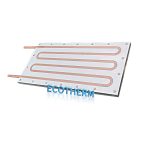
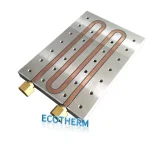
Effective thermal management is key in IGBT cold plate design. The design of flow channels within the cold plate is critical for efficient heat transfer and minimizing pressure drop. Various channel configurations like serpentine, parallel, and series flow channels can be used to optimize flow distribution and reduce hot spots. Serpentine channels are particularly effective for uniform cooling and are commonly used in applications like traction inverter cooling and DC fast charger cooling.
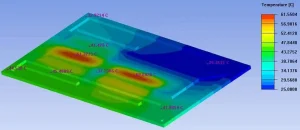
Simulation techniques, including Computational Fluid Dynamics (CFD), are widely used to perfect channel design, ensuring optimal flow distribution and heat removal. Ecothermgroup’s expertise in using CFD simulations helps predict cooling performance and refine the design before physical prototyping, saving time and resources.
Balancing flow rate and pressure drop is essential to achieve efficient cooling without overloading the system’s pumping capacity. Higher flow rates can improve cooling but may require a more robust pump, affecting energy efficiency. Careful consideration of flow channel design is necessary to achieve the desired thermal performance without compromising system efficiency.
- Optimize channel geometry for uniform cooling
- Balance flow rate with pressure drop
- Utilize CFD simulations for design validation
Flow Channels in IGBT Cold Plates
Types of Flow Channels
Designing flow channels in IGBT cold plates is crucial for optimizing thermal management in power electronics. The design choice affects the distribution and efficiency of coolant, impacting the cooling performance of IGBT modules. Common types include serpentine, parallel, series, multi-pass, and mini-channel designs. Each offers unique advantages depending on the cooling needs and system constraints.
Serpentine channels are popular for providing uniform cooling by directing coolant flow over a wide area, reducing hot spots. Parallel channels allow for high flow rates with minimal pressure drop, making them suitable for systems where low resistance is crucial. Series flow channels ensure complete coolant coverage, often used in high-capacity cooling systems. Multi-pass channels enhance heat transfer by increasing fluid velocity through repeated passes. Mini-channel designs, with small internal liquid channels, maximize surface area for heat exchange.
| Flow Channel Type | Key Characteristics |
|---|---|
| Serpentine | Uniform cooling, hot spot reduction |
| Parallel | Low pressure drop, high flow rates |
| Series | Complete coolant coverage |
| Multi-pass | Enhanced heat transfer |
| Mini-channel | Maximized heat exchange surface |
Impact on Cooling Efficiency
The design of flow channels directly influences the cooling efficiency of IGBT cold plates. Efficient design ensures optimal flow distribution, minimizing temperature gradients across the cold plate. Industry experts agree that uniform coolant distribution prevents localized overheating, which can reduce performance or damage IGBT modules.
Proper design also helps control pressure drop, a significant factor in overall system efficiency. Excessive pressure drop can require more powerful pumps, increasing operational costs and energy consumption. By selecting suitable flow channel designs, like pin fin or folded fin configurations, manufacturers can balance effective thermal management with acceptable pressure drop levels.
Ecothermgroup, a leader in thermal management solutions, emphasizes customized flow channel designs tailored to specific applications like EV inverter cooling and industrial drive cooling. Their approach includes integrating advanced materials like copper and aluminum, known for their high thermal conductivity, to enhance cooling efficiency.
- Uniform coolant distribution
- Reduced temperature gradients
- Controlled pressure drop
- Optimized pump power requirements
- Enhanced thermal management
Ultimately, the choice of flow channel design in IGBT cold plates should be guided by the specific cooling needs of the application, ensuring a balance between thermal performance and operational efficiency.
Managing Pressure Drop in Cold Plates
Factors Affecting Pressure Drop
Pressure drop in IGBT cold plates is influenced by several key factors. The design of flow channels plays a significant role, with configurations such as serpentine, parallel, and series flow channels offering varied resistance levels. Serpentine channels, known for their intricate path, often lead to higher pressure drops compared to straight channels due to increased friction and turbulence. Conversely, parallel channels can reduce pressure drop by distributing flow evenly across multiple paths, thus mitigating resistance.
Material choice is another essential factor; copper cold plates provide superior thermal conductivity, which can enhance heat transfer but might also result in higher initial costs compared to aluminum plates. The internal design, including features like pin fins and mini-channels, contributes significantly to pressure dynamics. For example, folded fin cold plates offer enhanced surface area for heat dissipation but can increase pressure drop due to the complex flow pathways.
Additionally, the layout of inlets and outlets affects flow distribution. A well-designed inlet and outlet arrangement ensures uniform flow distribution, reducing hot spots and optimizing cooling efficiency. For applications such as EV inverter cooling and solar inverter cooling, maintaining low pressure drop is crucial for efficient power electronics cooling.
Optimization Techniques
Optimizing pressure drop in cold plates involves a blend of strategic design and advanced simulation techniques. Computational Fluid Dynamics (CFD) simulations are invaluable for predicting flow and thermal behavior, allowing designers to refine channel geometry and flow paths to minimize resistance. Ecothermgroup emphasizes the importance of integrating CFD analysis early in the design process to achieve optimal balance between cooling efficiency and pressure management.
Designers can employ methods such as:
- Adjusting channel width and depth to reduce flow restriction
- Implementing multi-pass channel designs to enhance heat transfer without excessive pressure drop
- Choosing appropriate fin structures, like pin fins, to maximize surface area while controlling flow resistance
Higher coolant flow rates can enhance heat removal but require careful consideration of pressure increase and potential need for higher-capacity pumps. By strategically selecting channel designs and materials, and using precise simulations, designers can effectively manage pressure drop in IGBT cooling plates, ensuring reliable performance across applications like industrial drive cooling and traction inverter cooling.
| Channel Design | Pressure Drop Impact |
|---|---|
| Serpentine Channel | High |
| Parallel Channel | Low |
| Series Flow Channel | Moderate |
Process Selection for Cold Plate Manufacturing
Common Manufacturing Processes
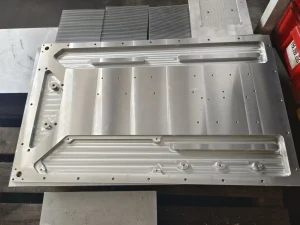
In manufacturing IGBT cold plates, selecting the right process is crucial for optimizing thermal management and ensuring the cooling system’s durability. Several processes are commonly used, each with unique benefits and limitations. For example, machining is a precise method that allows for custom designs, including intricate flow channels like serpentine or parallel configurations. This method is ideal for applications requiring specific flow distribution to reduce hot spots effectively.
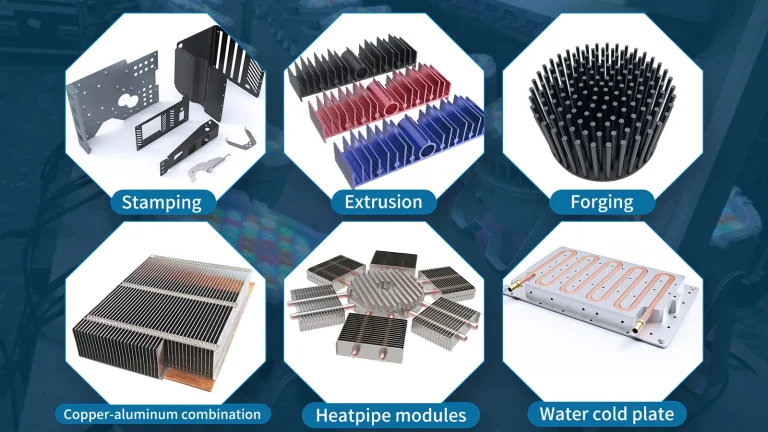
Another popular technique is brazing, which is excellent for joining different materials such as copper and aluminum, enhancing thermal conductivity while maintaining structural integrity. Brazing is often preferred for its ability to create leak-proof seals, essential in preventing fluid loss in high-pressure environments. Additionally, folded fin cold plates can be manufactured using stamping, a cost-effective process that enables mass production while maintaining consistency across units.
| Manufacturing Process | Advantages |
|---|---|
| Machining | High precision, custom designs |
| Brazing | Strong seals, multi-material compatibility |
| Stamping | Cost-effective, consistent mass production |
Considerations for Process Selection
Choosing the appropriate manufacturing process for IGBT cold plates involves several key considerations. Firstly, the design complexity of flow channels, such as series flow or multi-pass channels, directly impacts the choice of manufacturing technique. For complex internal liquid channels, machining offers the flexibility needed to create detailed and efficient cooling paths.
The material choice also plays a significant role. For instance, copper’s superior thermal conductivity makes it a preferred choice in applications where high heat dissipation is necessary, such as EV inverter cooling and industrial drive cooling. However, aluminum is often selected for its lighter weight and cost-effectiveness, especially in high-volume productions like solar inverter cooling or energy storage converter cooling.
- Design complexity and channel configuration
- Material properties and compatibility
- Cost considerations
- Production volume and scalability
Moreover, the expected operating conditions, such as pressure and temperature ranges, must be considered to ensure the reliability and efficiency of the cooling system. Processes that allow for prototype testing and CFD simulations, like machining, are vital for refining designs and optimizing performance before full-scale manufacturing. Feedback from industry experts often highlights the importance of balancing material selection with the desired thermal management performance, ensuring that the cold plate effectively manages the heat generated by IGBT modules.
People Also Ask
What are IGBT cold plates and why are they important?
IGBT cold plates are cooling devices that help manage the thermal efficiency of Insulated Gate Bipolar Transistors (IGBTs). They play a vital role in preventing overheating and ensuring the reliability and longevity of IGBT modules.
How do flow channels affect the performance of IGBT cold plates?
Flow channels in IGBT cold plates are designed to optimize coolant distribution, enhancing heat transfer efficiency. Well-configured flow channels can significantly reduce pressure drop and improve cooling performance.
What design considerations should be prioritized for IGBT cold plates?
Important design considerations include the layout of flow channels, material selection, and overall configuration to minimize pressure drop while maximizing thermal performance.
How does pressure drop impact the efficiency of an IGBT cold plate?
Pressure drop can lead to inefficient cooling as it affects the flow rate of the coolant through the cold plate. Managing pressure drop is essential for maintaining optimal cooling and energy efficiency.
What common processes are used in the manufacturing of IGBT cold plates?
Common manufacturing processes for IGBT cold plates include brazing, friction stir welding, and vacuum soldering. Each process is chosen based on specific design and performance needs.
How do I choose the right material for an IGBT cold plate?
Selecting the right material involves considering thermal conductivity, corrosion resistance, and cost. Aluminum and copper are popular due to their excellent thermal properties.
What is the relationship between flow rate and pressure drop in cold plates?
Higher flow rates generally increase pressure drop but are necessary for effective cooling. Balancing flow rate and pressure drop is crucial for achieving efficient thermal performance without excessive energy use.
What are the benefits of optimizing flow channel design in IGBT cold plates?
Optimizing flow channel design enhances heat transfer, reduces pressure drop, and improves the thermal management of IGBT modules. This optimization can lead to increased reliability and efficiency of the cooling system.