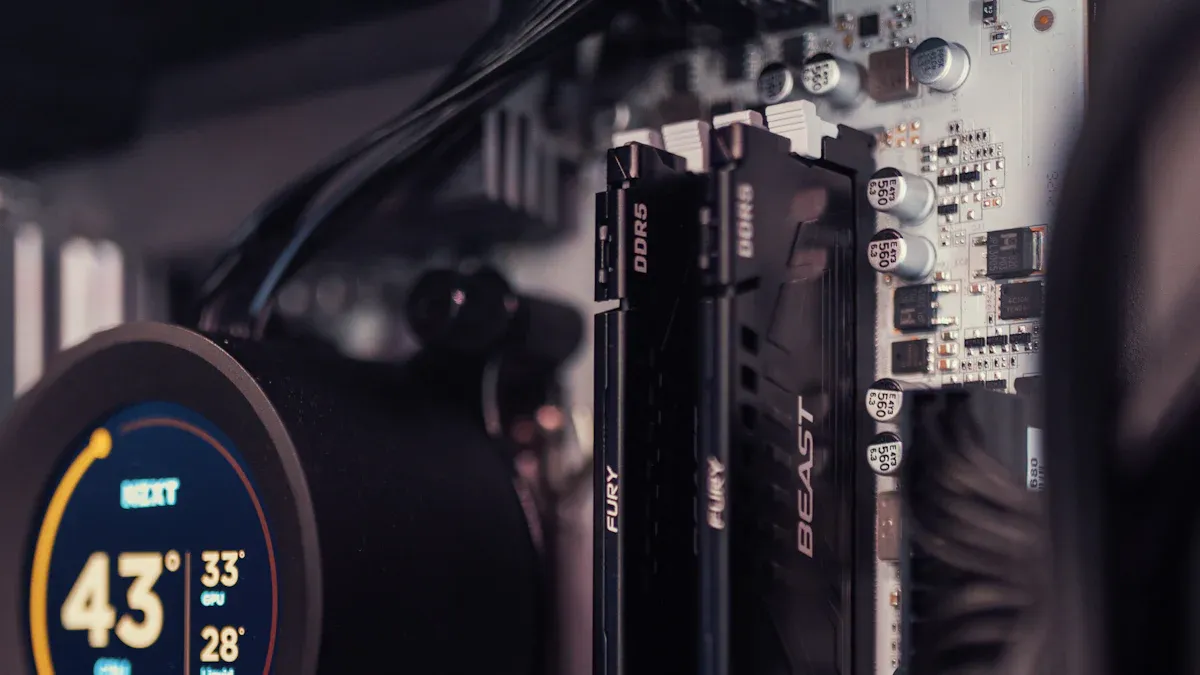
The rapid evolution of Artificial Intelligence and High-Performance Computing (HPC) has pushed server thermal design power (TDP) beyond the limits of traditional HVAC systems. Implementing effective data center liquid cooling solutions is no longer optional; it is a critical requirement to prevent hardware throttling and catastrophic overheating. This guide provides data-driven insights into upgrading your infrastructure from single chips to facility-wide deployments.
What Are the Best Liquid Cooling Solutions for AI Data Centers?
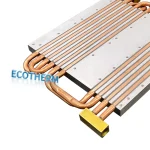
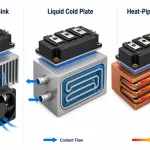
For AI data centers housing high-density racks (e.g., NVIDIA H100/B200 clusters), the optimal approach is a hybrid deployment of Cold Plate Liquid Cooling and rear-door heat exchangers (RDHx). Traditional air cooling hits a physical limit at 30kW to 40kW per rack. In contrast, the best liquid cooling solutions for ai data centers can manage thermal loads exceeding 120kW per rack.
Efficiency Data: Facilities utilizing advanced cold plates experience a Power Usage Effectiveness (PUE) drop from an average of 1.55 to below 1.15. This translates to a 35-40% reduction in overall cooling OpEx.
Reliability Data: By maintaining a consistent core temperature, end-to-end liquid cooling solutions can extend the operational lifespan of expensive GPU clusters by up to 25%, virtually eliminating thermal throttling.
Data Center D2C Liquid Cooling Solutions vs. Traditional Air Cooling
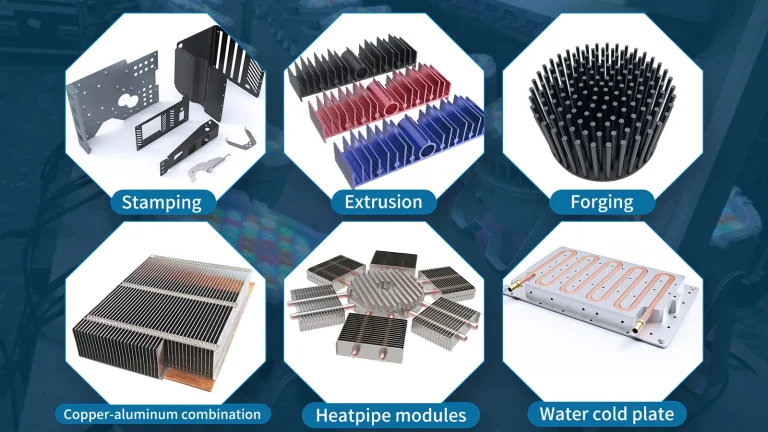
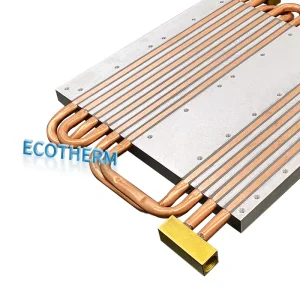
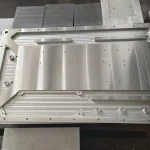
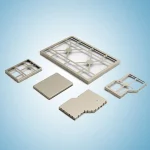
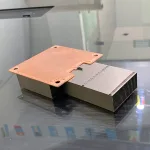
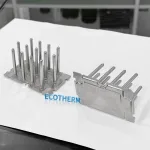
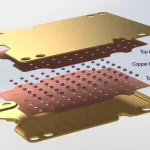
Direct-to-Chip (D2C) liquid cooling fundamentally shifts how heat is managed at the silicon level. Instead of blowing chilled air across a finned heat sink, data center d2c liquid cooling solutions pump dielectric fluid or treated water directly over a micro-channel cold plate attached to the CPU/GPU.
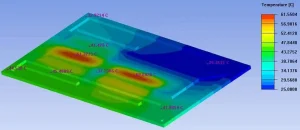
Heat Capture Metrics: A high-precision D2C cold plate captures 75% to 80% of the server’s total heat load at the source. The remaining 20% is handled by ambient air systems.
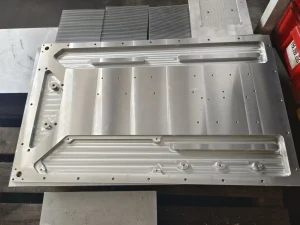
TDP Capacity: While premium air coolers struggle at 500W TDP, D2C liquid cooling plates manufactured with Friction Stir Welding (FSW) easily handle TDPs exceeding 1000W+ with a thermal resistance as low as 0.01°C/W.
How to Deploy Liquid Cooling for Existing Data Centers?
You do not need to build a new facility to transition to liquid cooling. Implementing liquid cooling for existing data center infrastructure is highly feasible using liquid-to-air Coolant Distribution Units (CDUs) or blind-mate manifolds.
Retrofit Data: Upgrading a 1MW air-cooled data center to a hybrid D2C system typically requires zero structural floor reinforcement if using In-Rack CDUs. The space utilization improves by 300%, as one 80kW liquid-cooled rack can replace three standard 25kW air-cooled racks. The Return on Investment (ROI) for this retrofit usually falls between 18 to 24 months.
What Are the Most Efficient Small Data Center Cooling Solutions?
Edge computing nodes and enterprise server rooms also face density challenges. For these environments, closed-loop In-Rack liquid cooling systems are the superior small data center cooling solutions.
Space & Noise Metrics: A self-contained liquid cooling rack requires no connection to a facility-wide chilled water loop. It reduces the physical cooling footprint by 45% and drops acoustic noise levels from a deafening 85 dB (typical server fans) to a quiet 60 dB, making it ideal for office-adjacent telecom rooms.
The Role of Data Center Cooling Fluid Solutions
The lifeblood of any liquid system is the coolant. Choosing the right data center cooling fluid solutions prevents corrosion and galvanic reactions inside the micro-channels.
Maintenance Data: Using industrial-grade Propylene Glycol (PG25) or engineered fluorochemicals (for immersion) provides a lifespan of 5+ years before requiring replacement. Filtration down to 25 microns ensures that CNC-machined micro-channels (often as narrow as 0.1mm) never clog, maintaining a 100% flow rate.