IGBT Cooling Methods for High-Power Semiconductor Applications
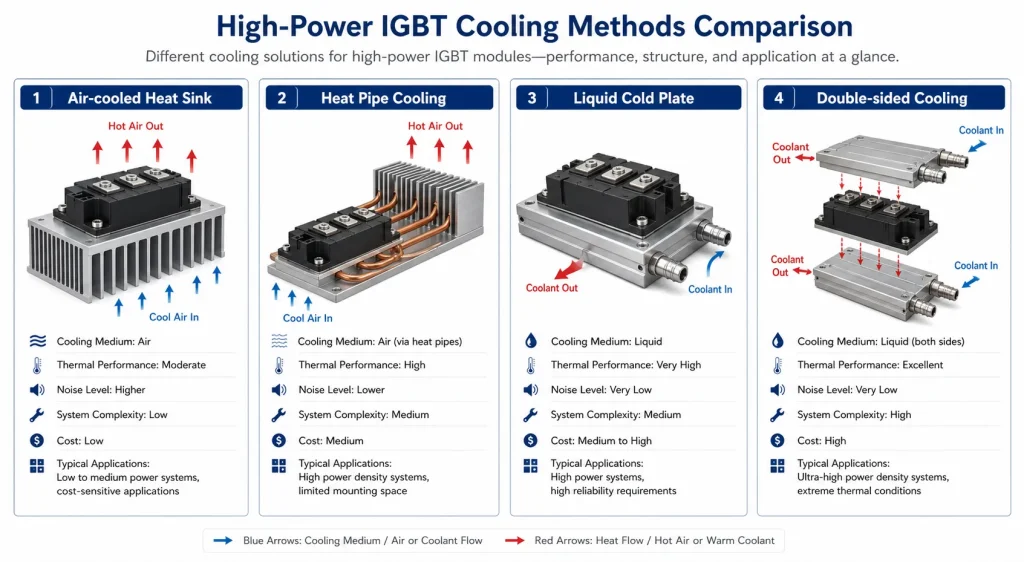
High-power IGBT modules require a carefully designed thermal path because conduction and switching losses are converted into heat during normal operation. The appropriate cooling method depends on power density, ambient conditions, installation space, operating cycle and required service life.
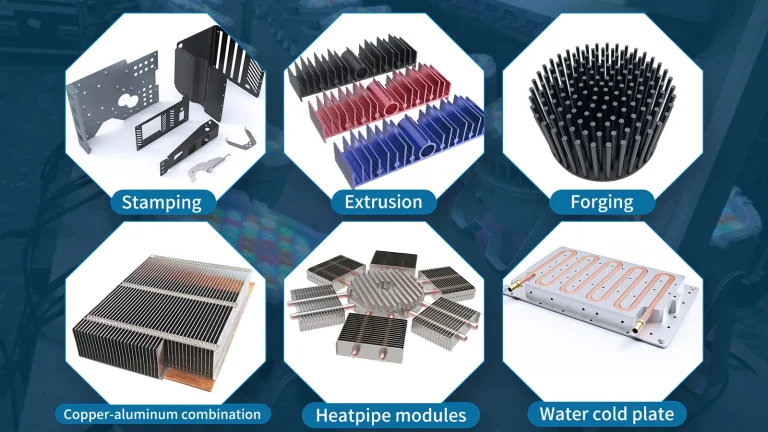
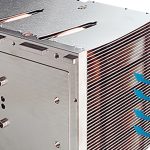
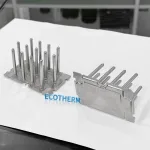
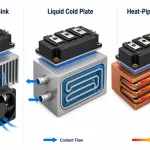
Air-cooled heat sinks remain practical for many industrial systems. Aluminium fins provide a large surface area, while forced airflow lowers the thermal resistance between the heat sink and ambient air. The design must account for fan performance, pressure drop, airflow distribution and dust accumulation.
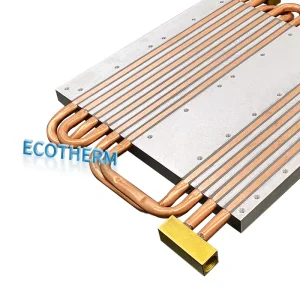
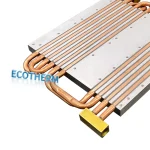
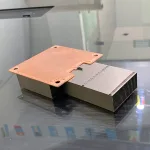
Heat pipes can spread heat from a concentrated source to a larger fin area. They are useful when the heat source is localized or when the cooling surface cannot be positioned directly above the module. Their performance depends on orientation, heat load, working-fluid design and manufacturing quality.
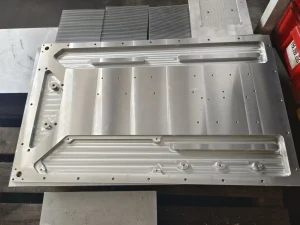
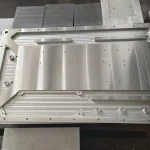
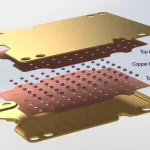
Liquid cold plates provide greater heat-removal capability in a smaller volume. They are suitable for high-power inverters, electric vehicle electronics and other systems where a conventional finned heat sink would be too large. The cold plate must be designed for the coolant, flow rate, pressure drop and sealing requirements of the application.
Thermal interface materials are used to reduce air gaps between the IGBT module and cooling component. Their performance depends on thickness, contact pressure, surface flatness and long-term stability. A material with high published conductivity does not automatically provide low assembly resistance if it is applied unevenly.
Thermal design should begin with the total loss of the module. Conduction loss and switching loss should be calculated at the intended current, voltage, switching frequency and temperature. The resulting heat load can then be used to determine the required thermal resistance and cooling capacity.
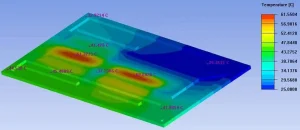
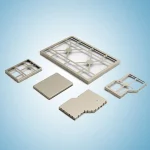
The most reliable solution is often a combination of methods. A heat spreader can distribute heat before it enters a cold plate, while a liquid-cooled structure can remove heat from a compact enclosure. The final design should be validated with temperature measurement, flow testing and power cycling.
Ecothermgroup develops custom thermal components for power electronics. Customers can request a technical review through the Ecothermgroup thermal management website.